
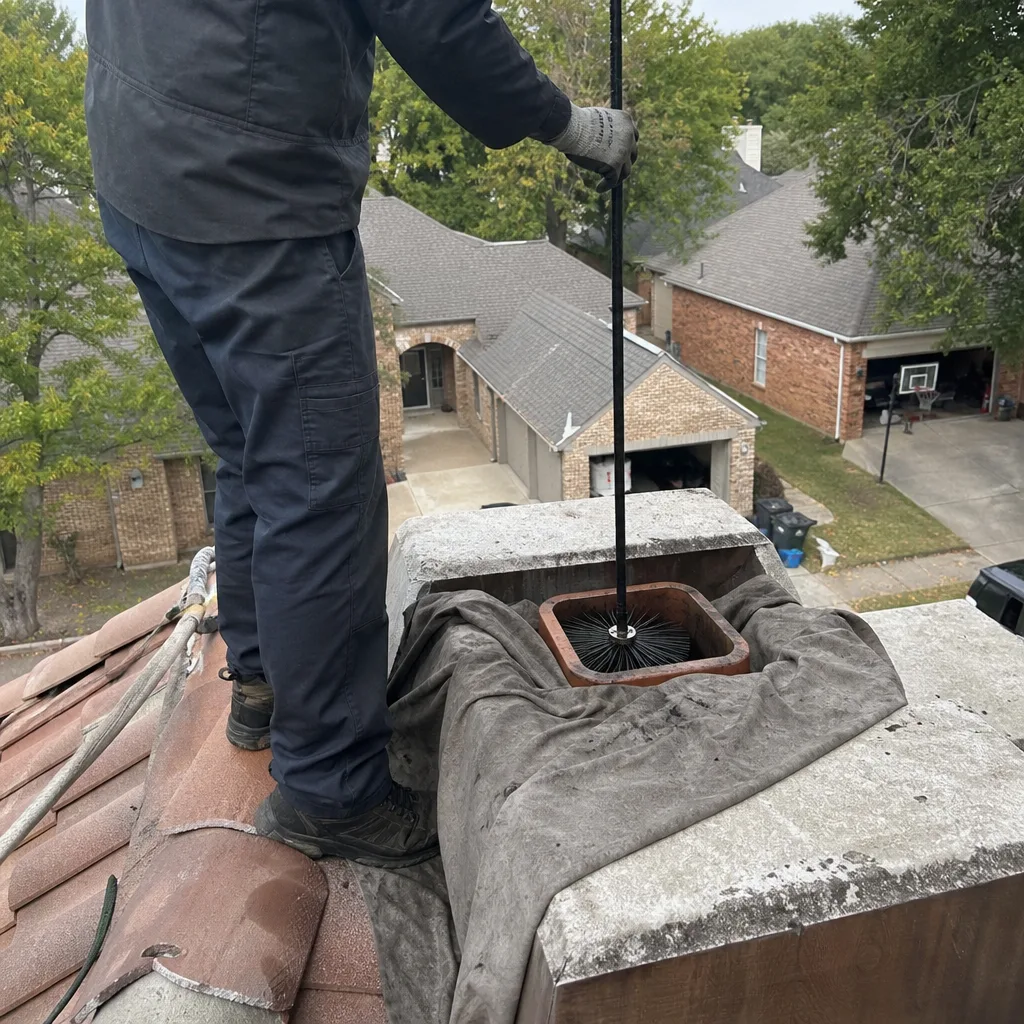
Last updated November 16, 2026
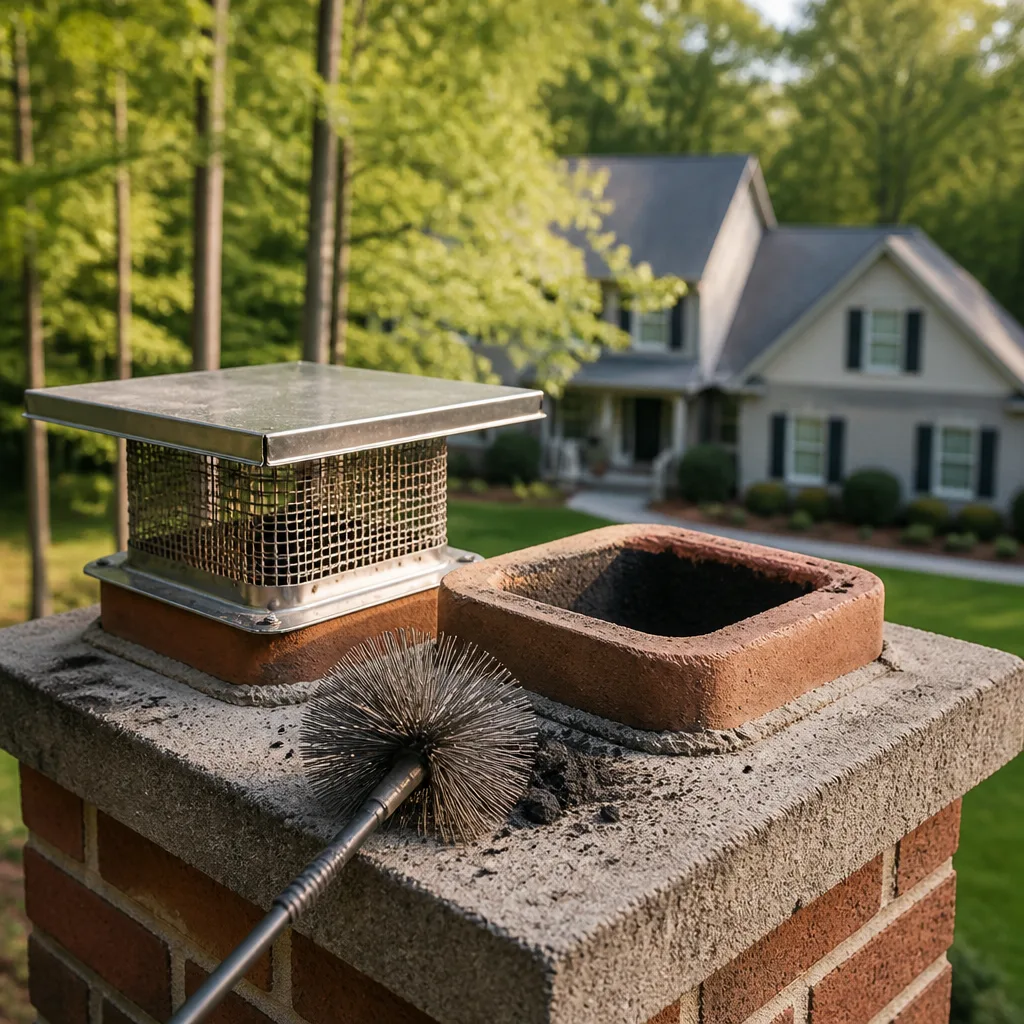 Sweep & inspection
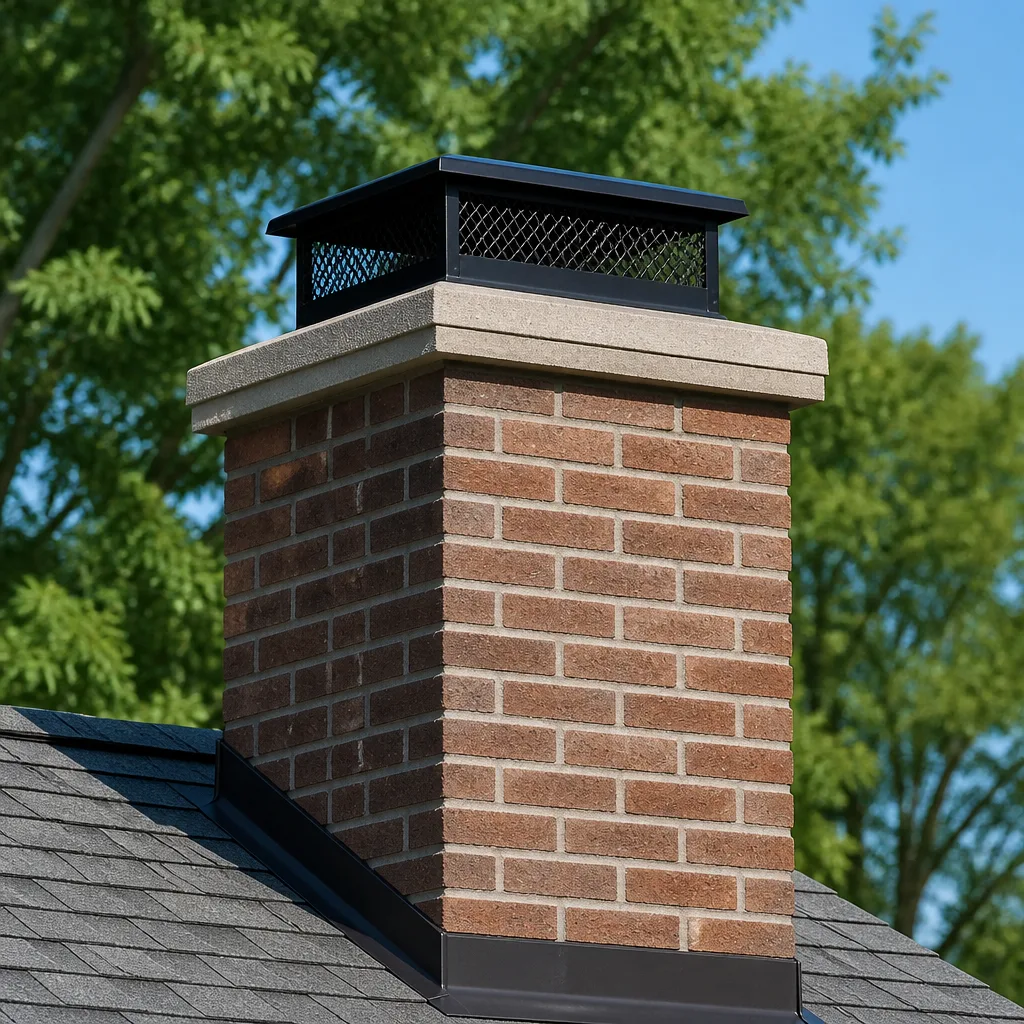 Caps & crowns
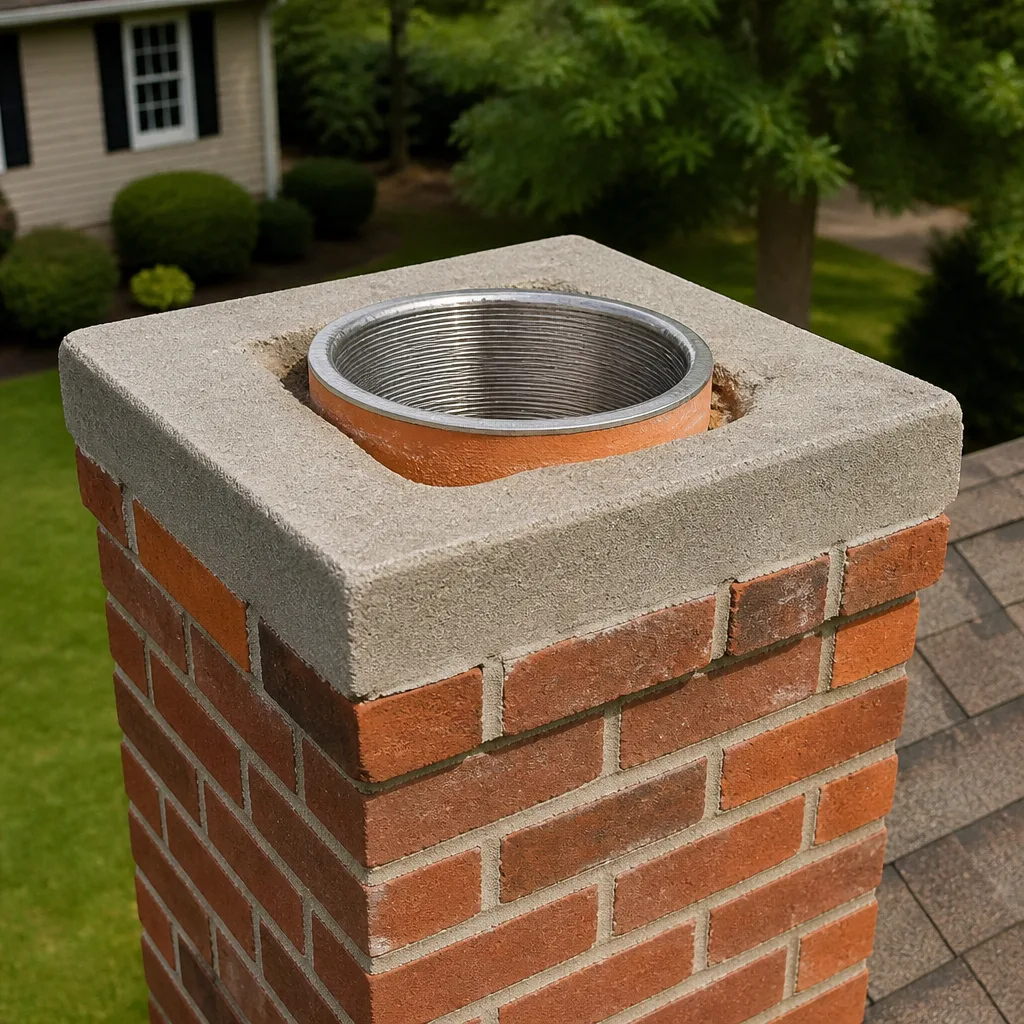 Flue relining
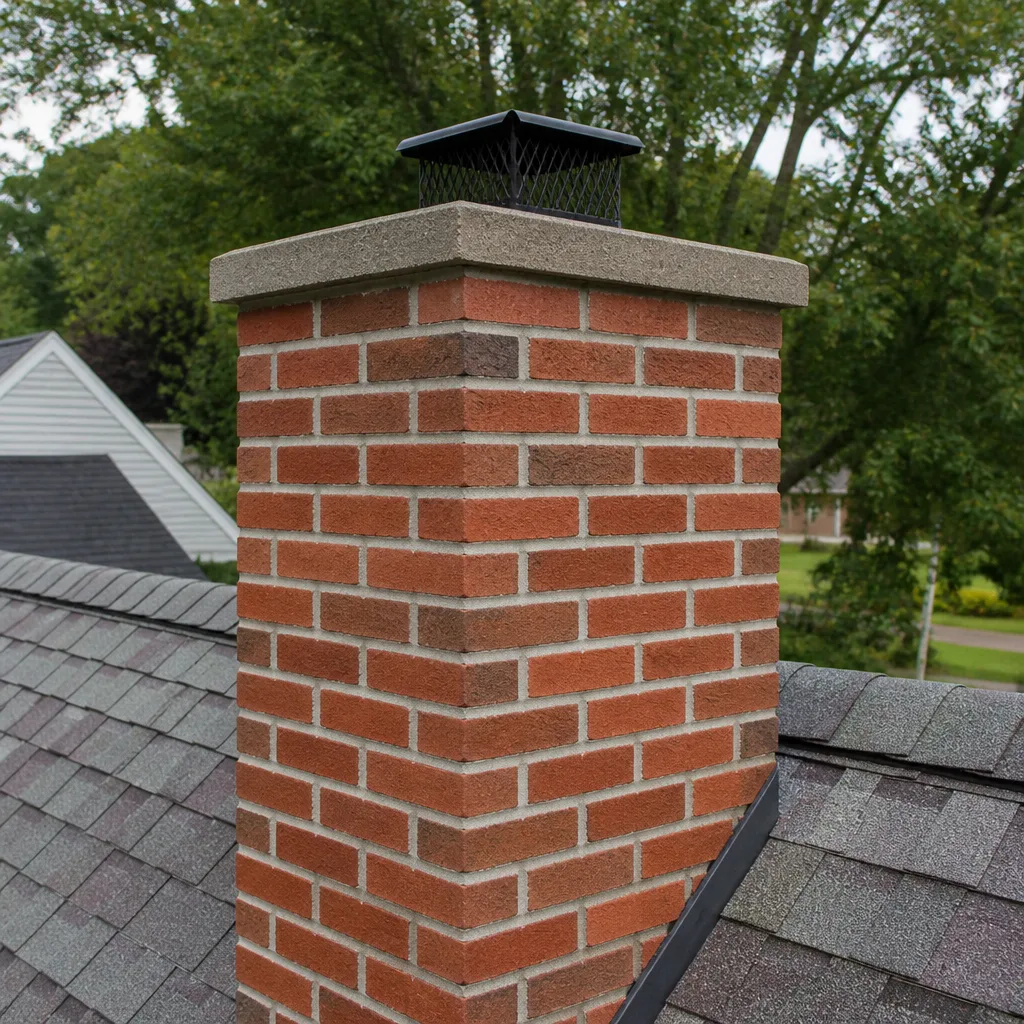 Masonry repair
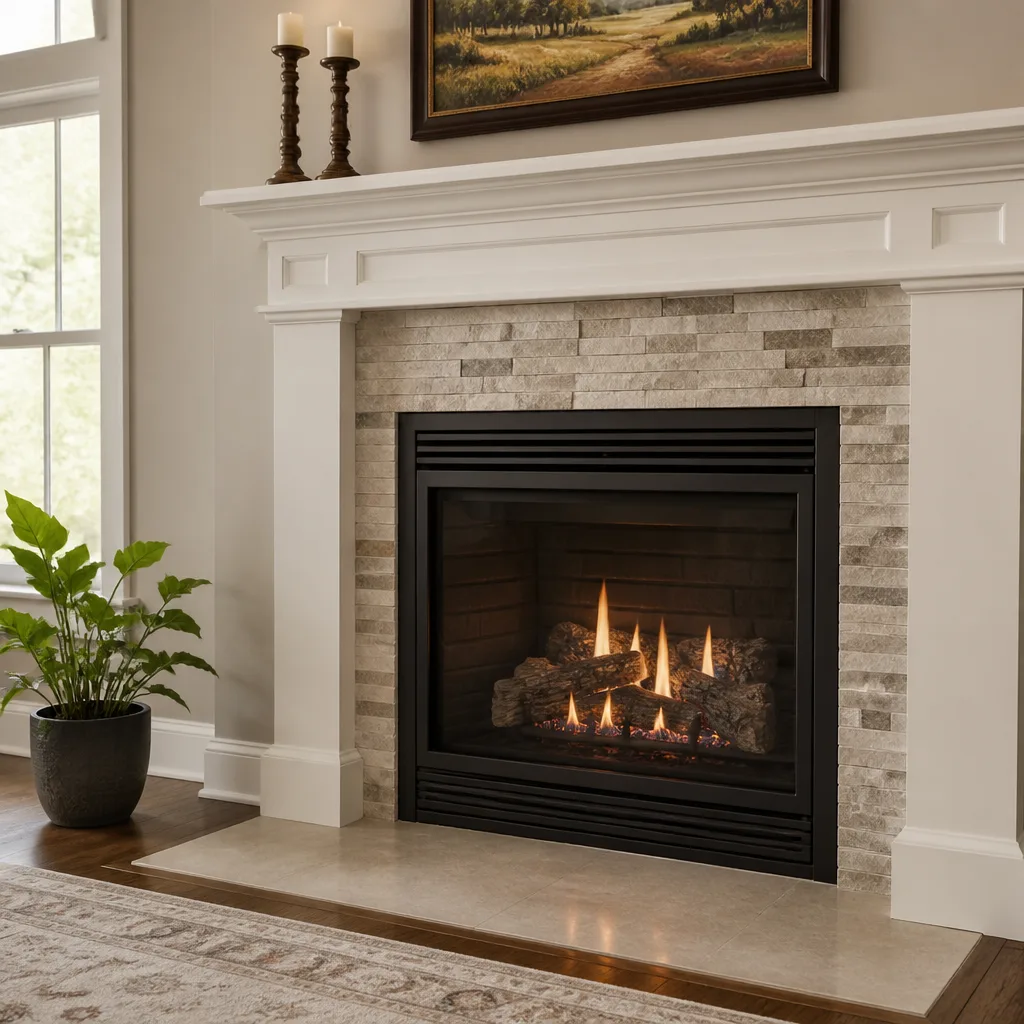 Gas fireplace service
Level 1 sweep and inspection to the NFPA 211 annual standard - flue, crown, cap, and flashing checked and photographed
Chimney sweep logs do not sweep chimneys. They loosen some creosote - which then falls where a brush and vacuum still have to collect it.
Choosing the Right Chimney Cleaning Brand: A Buyer’s Guide for Tulsa
There is no ASTM standard that separates “chimney sealant” from “general masonry sealant” on a hardware store shelf. That single gap in labeling means a contractor can apply the wrong product, charge you for the right one, and you have no way to tell until it fails two seasons later. In Tulsa, where a wood-burning fireplace works hard through cool, damp winters and sits idle through humid summers, that failure window is real. This guide walks through the product categories where brand choice actually matters, how to ask a contractor the right questions, and how to verify what ends up inside your flue.
Quick Answer
The right chimney brand is the one designed and tested for the specific job: a flexible liner system for relining, a resurfacing product for restoring a damaged flue, a crown coating for the top of the chimney, and a waterproofing breathable masonry treatment for the exterior brick. For Tulsa homeowners, that usually means professional-grade systems like DuraFlex and Olympia Chimney for liners, HeatShield for resurfacing, and Gelco or Famco for caps and flashing. General-purpose hardware-store products are not substitutes for these, and a contractor who cannot name what they use is telling you something.
Styles & brands we work with
- Sweep & inspection
- Caps & crowns
- Flue relining
- Masonry repair
- Gas fireplace service
Table of Contents
- Why Brand Choice Matters More Than Most Homeowners Realize
- The Four Product Categories Where Brand Choice Matters Most
- What Professional-Grade Brands Do That Consumer Products Can’t
- How to Ask a Contractor What Brand They Use
- Why Some Materials Require Certified Applicators
- How to Verify the Material Matches the Quote
- Brand Choice in the Tulsa Climate and Housing Stock
- What Documentation to Request After the Job
Why Brand Choice Matters More Than Most Homeowners Realize
Most Tulsa homeowners understand that a chimney sweep removes creosote and that a chimney inspection looks for problems. What gets less attention is the material side of the work. When a technician repairs a crack in the smoke chamber or relines a flue, the product they choose determines how long that repair holds. The cost difference between a professional-grade product and a generic substitute is often small at the point of sale. The difference in service life is not.
In our experience, the failure pattern is consistent. A repair that should last a decade or more starts showing problems within two or three heating seasons when the wrong material was used. Sometimes it’s a sealant meant for exterior masonry applied inside the smoke chamber where temperatures run higher. Sometimes it’s a mortar mix meant for tuckpointing a wall, not a firebox. The repair looked fine when the technician left. It just wasn’t built for the environment it had to survive.
The tricky part is that chimney work happens where you cannot easily see it. Once the job is done and the access panel is closed, the material choice is invisible. You trust the contractor’s word. That’s exactly why the conversation about brands and products matters more in chimney work than in almost any other trade around a Tulsa home.
A working fireplace is part of the home’s fire-safety system. The liner protects the wood framing from heat and gases. The crown and flashing keep water out of the masonry. The cap keeps rain, birds, and squirrels out of the flue. Each of those elements depends on a specific product doing a specific job. Choosing the right brand is choosing the right product for the right job.
The Four Product Categories Where Brand Choice Matters Most
Not every product in chimney work is equally important to specify. Four categories carry most of the weight because they sit in the harshest conditions and last the longest.
1. Liner Systems
The liner is the interior pipe that channels smoke and gases up and out of the flue. Stainless flexible liners from DuraFlex and Olympia Chimney are the standard for relining a clay tile flue that has cracked or deteriorated. These are engineered for continuous high temperatures and corrosive condensate. A generic flexible duct is not the same thing, no matter how similar it looks.
2. Crown Coatings
The crown is the concrete cap at the top of the chimney. It sheds water away from the masonry below. A cracked crown lets water into the chimney structure where freeze-thaw cycles in a Tulsa winter can do serious damage. Crown coating products formulated specifically for chimney crowns flex with the masonry and resist UV, unlike general concrete patch.
3. Smoke Chamber Sealants
The smoke chamber is the funnel-shaped transition above the firebox where smoke gathers before it enters the flue. It is often rough and unsealed, which is a hazard because creosote can collect on the irregular surface. HeatShield resurfacing is a professional-grade product that smooths and seals the smoke chamber and can extend liner life without a full relining. It is not sold in hardware stores.
4. Waterproofing
Masonry waterproofing needs to repel rain while allowing moisture inside the brick to escape. A product that seals the surface too tightly traps water, which is worse than no waterproofing at all. Chimney-specific breathable waterproofing is the correct product. Driveway sealant or general concrete sealer is not.
Beyond these four, caps and flashing round out the protective envelope. Gelco and Famco components are built to commercial tolerances and outlast most generic caps stocked at home centers. A properly fitted cap keeps rain, snow, and animals out of a Tulsa flue year-round.
What Professional-Grade Brands Do That Consumer Products Can’t
The difference between professional-grade chimney products and consumer substitutes comes down to three things: temperature rating, material compatibility, and testing.
- Temperature rating. A smoke chamber can hit temperatures that a general-purpose masonry product was never designed to handle. Professional products carry a stated service temperature. Consumer products usually do not.
- Material compatibility. Liner systems are matched to the fuel type and flue configuration. A product formulated for a wood-burning fireplace may not be correct for a gas insert, and vice versa. Brand systems come with compatibility charts that generic products lack.
- Testing. Professional-grade liner systems and resurfacing products are tested to industry standards by the manufacturers. That testing is what supports the warranty and what tells a technician the product will hold up in the field.
A related point: some products are proprietary to the trade because the manufacturer sells only through authorized channels, not because of marketing. HeatShield is a good example. It is a resurfacing system applied by trained technicians, not a product a homeowner can buy and apply. That channel restriction is deliberate. The manufacturer controls who applies it because misapplication can fail or create a safety hazard.
For Tulsa homes with older chimneys, these distinctions matter. A lot of the housing stock around midtown and along the older neighborhoods near downtown was built when clay tile liners were standard. Those liners have often reached the end of their service life. Choosing the right relining system, installed correctly, is the difference between a fix that lasts and a problem that comes back.
How to Ask a Contractor What Brand They Use
The single most useful question a homeowner can ask before hiring a chimney contractor is: what brand of product will you use, and why that one? The answer tells you almost everything about the contractor’s approach.
What a confident, specific answer sounds like
A contractor who knows their materials will name the brand, name the product line, and explain why that product fits your specific chimney. For example: “For your cracked flue, we’d use a DuraFlex liner sized to the flue dimensions, because the tile is deteriorated and a resurfacing product alone won’t hold.” That answer is specific, tied to your chimney’s condition, and demonstrates product knowledge. A technician with up to 10 years of experience has seen enough liners and resurfacing jobs to give that answer without hesitation.
What a vague deflection sounds like
A contractor who cannot name the brand, or who says “we use the best materials available” or “whatever the supply house has,” is not specifying anything. That answer should give you pause. It usually means the contractor is buying on price rather than performance, and you will not know what went into your chimney until it fails.
Here is a short list of questions worth asking before any chimney repair or relining in Tulsa:
- What brand and product line will you use for this specific repair?
- Why is that product the right choice for my chimney’s condition and fuel type?
- Is this product available only to the trade, or is it sold to homeowners?
- What does the manufacturer’s installation guide call for?
- Will the written estimate name the brand and product?
A contractor who answers these without hedging has thought about materials before. That is a good sign.
Why Some Materials Require Certified Applicators
Some chimney materials are restricted to trained and certified applicators, and that restriction is not a marketing gimmick. It exists because the product will not perform correctly if it is applied by someone without the training.
HeatShield resurfacing is the clearest example. The application requires proper surface preparation, correct mixing, and specific curing conditions. Applied correctly, it smooths the flue and extends the liner’s service life without a full relining. Applied by an untrained hand, it can fail to bond, crack, or leave a rough surface that collects creosote. That is why the manufacturer controls who applies it.
The same principle applies to liner systems. DuraFlex and Olympia Chimney liners are engineered systems. The components are matched to the flue, and the installation sequence matters. A contractor who regularly installs these systems knows the specifics. A generalist handyman who has installed one or two will not.
What does this mean for contractor selection? Ask directly whether the contractor is trained or certified to apply the product they are quoting. If the answer is “we use a different product because we’re not certified on that one,” that is actually a trustworthy answer. It means they are honest about their limits. If the answer is “sure, we can install anything,” ask for specifics about the training. A confident, specific answer is what you want. A vague reassurance is not.
In Tulsa, the practical implication is that a chimney specialist who works with these systems regularly has both the training and the experience to know which product fits which chimney. That is why we work with a curated lineup of brands rather than whatever the nearest supply house stocks. Professional-grade materials, not hardware-store substitutes, is the operating principle.
How to Verify the Material Matches the Quote
You cannot watch every hour of a chimney job. You can, however, verify the material after the fact with a few straightforward steps.
- Request that the written estimate names the brand and product. Before work starts, the quote should identify the exact product to be installed. “Stainless liner” is not enough. “DuraFlex liner, sized to your flue” is.
- Ask to see the packaging or label. When the technician arrives with materials, ask to see the label on the product being installed. A professional will not mind. The package will name the brand and product line.
- Ask for the manufacturer’s installation instructions to be left with you. Every professional-grade product ships with instructions. Ask that a copy be left behind. The instructions name the product and the required installation method.
- Photograph the work as it progresses. Before, during, and after photos are standard in chimney work. Ask for them. They let you see what was installed and how.
- Request the warranty documentation. Manufacturer warranties exist for professional products. Ask for the paperwork. A generic substitute will not come with the same warranty.
These steps are simple and take almost no time. They also make it very hard for a contractor to substitute a cheaper product quietly. If a contractor resists any of them, that is worth noticing.
When we quote a repair, the estimate names the product. When the work is done, the documentation matches what was quoted. That is the baseline any Tulsa homeowner should expect, and it is the reason we specify brands like HeatShield and DuraFlex in writing rather than describing them in vague terms.
Brand Choice in the Tulsa Climate and Housing Stock
Tulsa’s climate puts particular demands on chimney materials. Summers run hot and humid. Winters bring freezing nights and occasional ice. That combination means the exterior of the chimney goes through repeated wet-dry and freeze-thaw cycles every year. A crown coating that cracks in the first or second winter is not protecting anything. Breathable waterproofing that stops vapor from escaping turns the masonry into a trap for moisture.
The city’s housing stock adds another layer. Many homes in midtown Tulsa and neighborhoods near downtown were built with clay tile liners, which were the standard at the time. When those liners crack or separate, a flexible stainless liner is usually the correct fix. Relining is a technical job, and the liner must be sized to the flue and matched to the fuel type. A liner system from DuraFlex or Olympia Chimney, specified correctly, is what the trade uses for this work.
Homes built with modern factory-built fireplaces take a different kind of care. Those require liners and components that match the manufacturer’s specifications. Installing a generic liner in a factory-built unit can void the unit’s listing and create a safety issue. This is why brand and product specificity matters even more with modern construction.
Where caps and flashing are concerned, Tulsa’s wind and rain mean a properly fitted cap is doing actual work. Gelco and Famco components are built to commercial tolerances, and they hold up through the seasonal swings. A loose or poorly fitted cap lets water in and animals out of the flue year after year, which is exactly the kind of slow damage that shows up as a bigger repair later.
Our team works across Tulsa on chimney sweep, chimney repair, and chimney inspection. Because we work across all three of those services, we know what different product choices look like years down the road. We don’t just see the install. We see the re-inspection, sometimes years later. That perspective shapes what we specify. For a closer look at how we approach chimney repair in this city, that page walks through the process.
What Documentation to Request After the Job
Documentation is how you protect a repair you cannot see. A chimney job done right comes with paperwork, and any professional contractor should provide it without being asked.
- The written estimate, updated to reflect the final scope. If the job changed mid-stream, the paperwork should reflect that and match what you paid.
- The product name, brand, and model for everything installed. This is what you hand to a future inspector or a future owner of the house.
- The manufacturer’s warranty paperwork. Professional products carry warranties. Consumer substitutes usually do not, or carry shorter ones.
- Before, during, and after photos of the work. These are standard practice in professional chimney work and prove what was installed.
- A copy of the inspection report if an inspection was performed. This is a record of your chimney’s condition at the time of service.
The paperwork is not a formality. It is what makes future decisions easier. When your next technician opens your smoke chamber three years from now and sees the resurfacing product, the paperwork tells them what it is. Without documentation, they are guessing.
Requesting this paperwork is not an insult to the contractor. Any chimney specialist who works with professional-grade materials should be comfortable providing it. If a contractor bristles at the request, that tells you as much as the answer to the brand question.
Common Mistakes to Avoid
- Choosing a contractor on price alone. Chimney work is not a commodity service. The difference between a repair that lasts ten years and one that fails in two is often the material cost, and that cost is usually small at the invoice. Tulsa homeowners who pick the lowest bid for a liner job often end up paying twice.
- Accepting “stainless liner” as a description. Stainless liners vary in alloy, thickness, and application. A brand-name liner sized to your flue is not the same product as a generic flexible pipe. Ask for the specific product name.
- Confusing sweep work with repair work. A chimney sweep removes creosote. A chimney repair addresses structural or material issues. They are different services, and the product questions apply mostly to the second one.
- Skipping the camera inspection before a repair. It’s common in Tulsa to find that a “small crack” the last contractor quoted is actually the surface sign of a much larger issue, or the reverse. A camera inspection documents actual condition. Without one, any repair is guesswork.
- Hiring a general handyman for liner work. Relining is a technical job with specific sizing and installation requirements. A generalist handyman does not have the training or the trade materials for it. A contractor who has installed one or two liners is not the same as a chimney specialist.
- Ignoring the crown and cap because they are “out of sight.” The top of the chimney is where most water problems start in Tulsa. A cracked crown or a missing cap leads to masonry damage that costs far more to fix than the crown would have.
- Not verifying what was actually installed. The paperwork exists for a reason. If you cannot tell from the documentation which products went into your chimney, ask. A professional will not mind clarifying. A contractor who resists documentation is hiding something.
See the difference
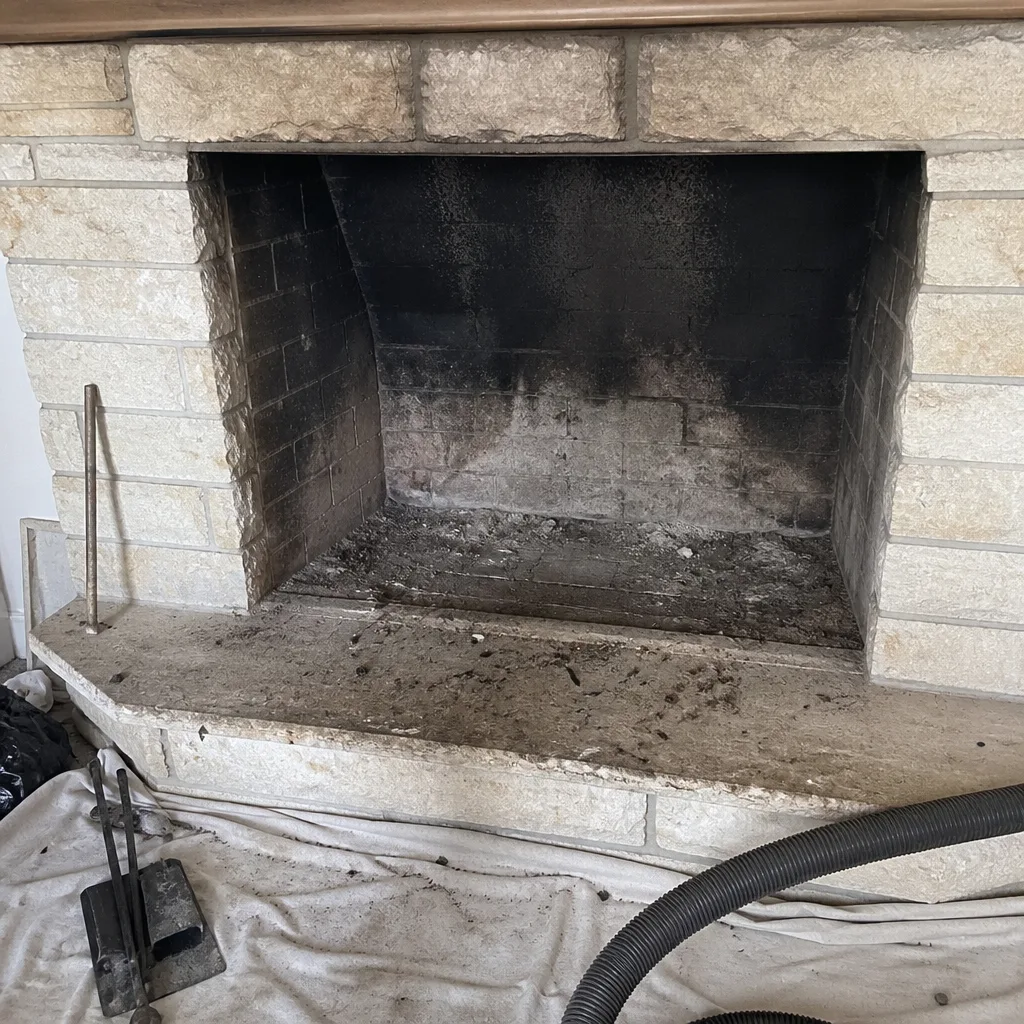 Before
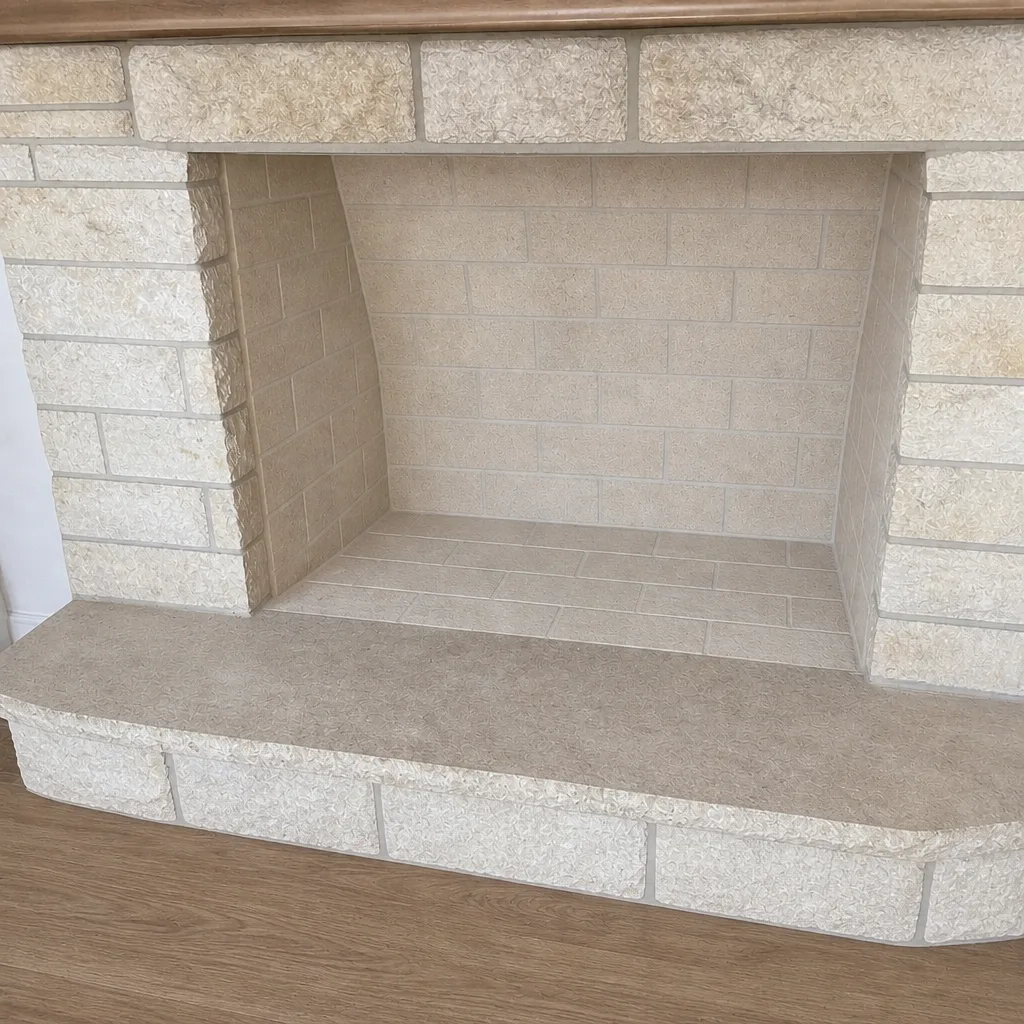 After
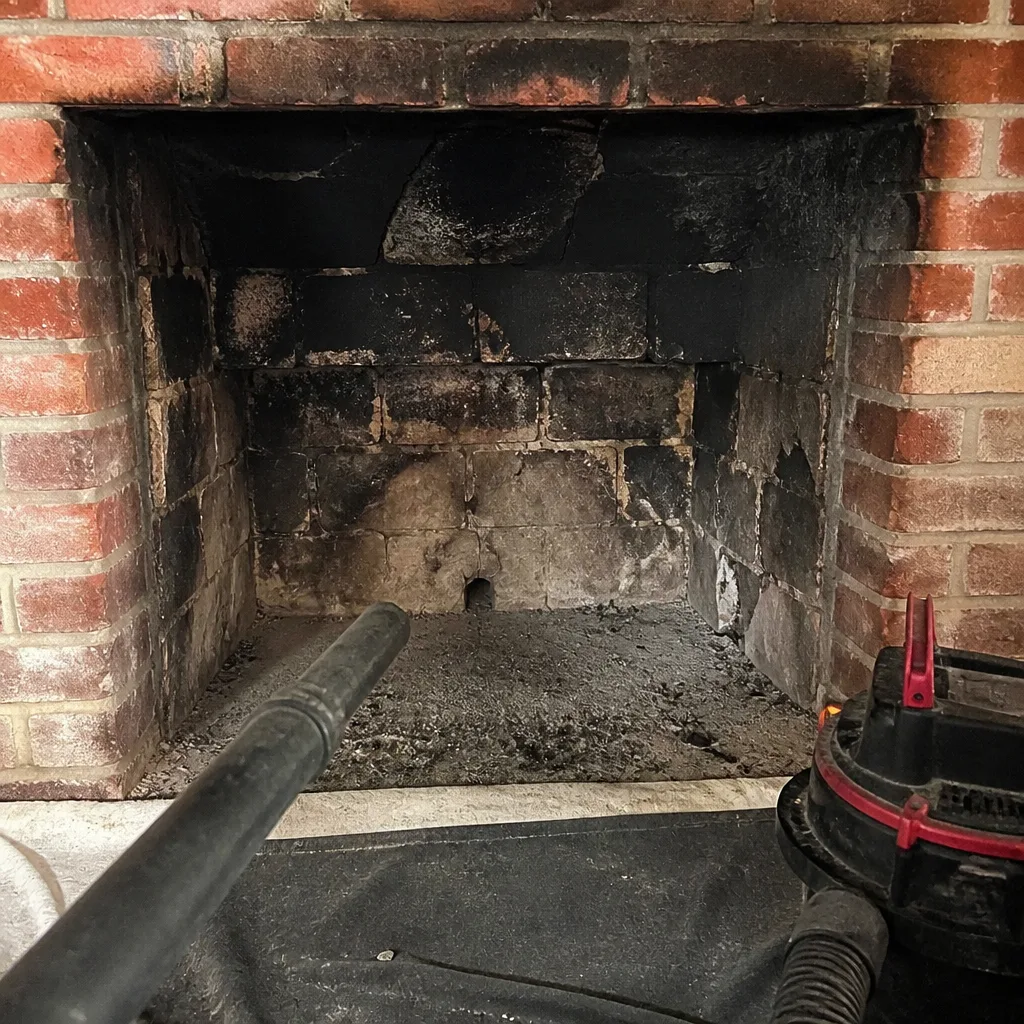 Before
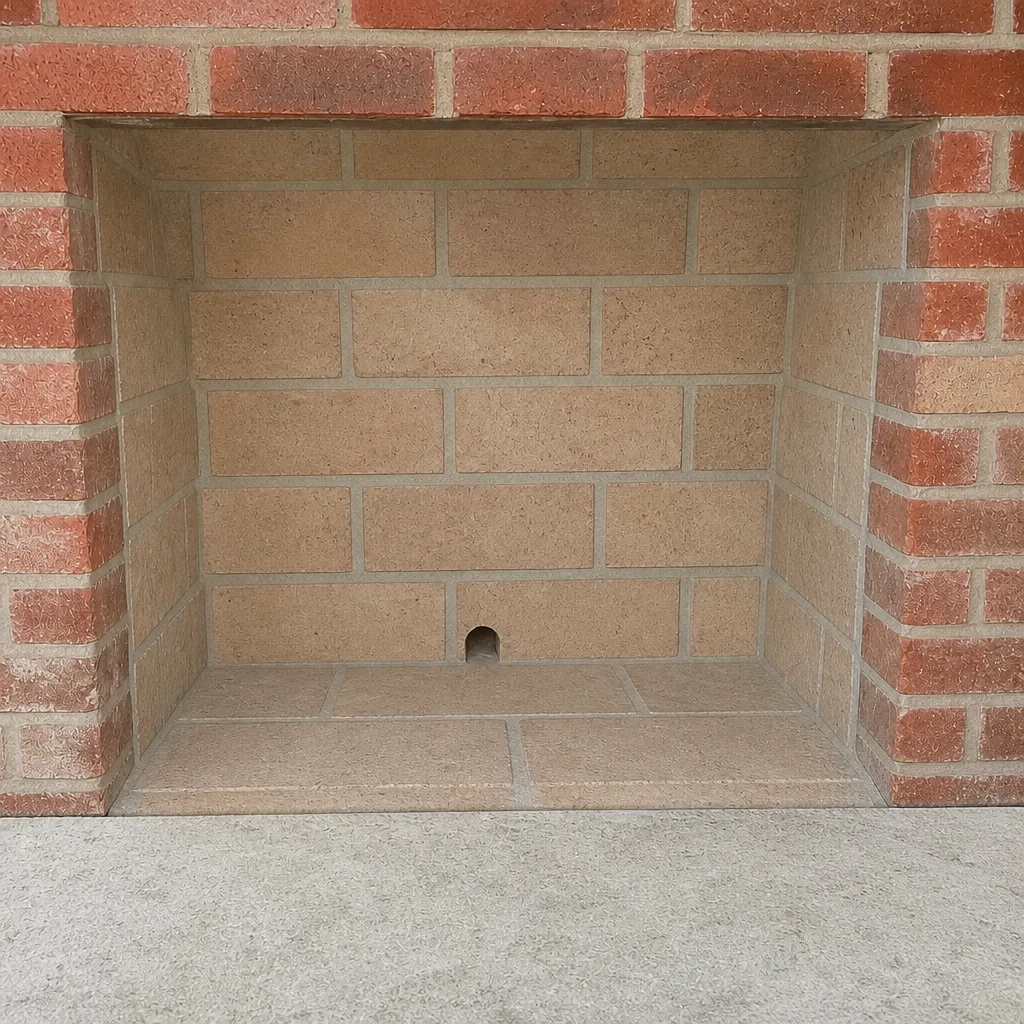 After
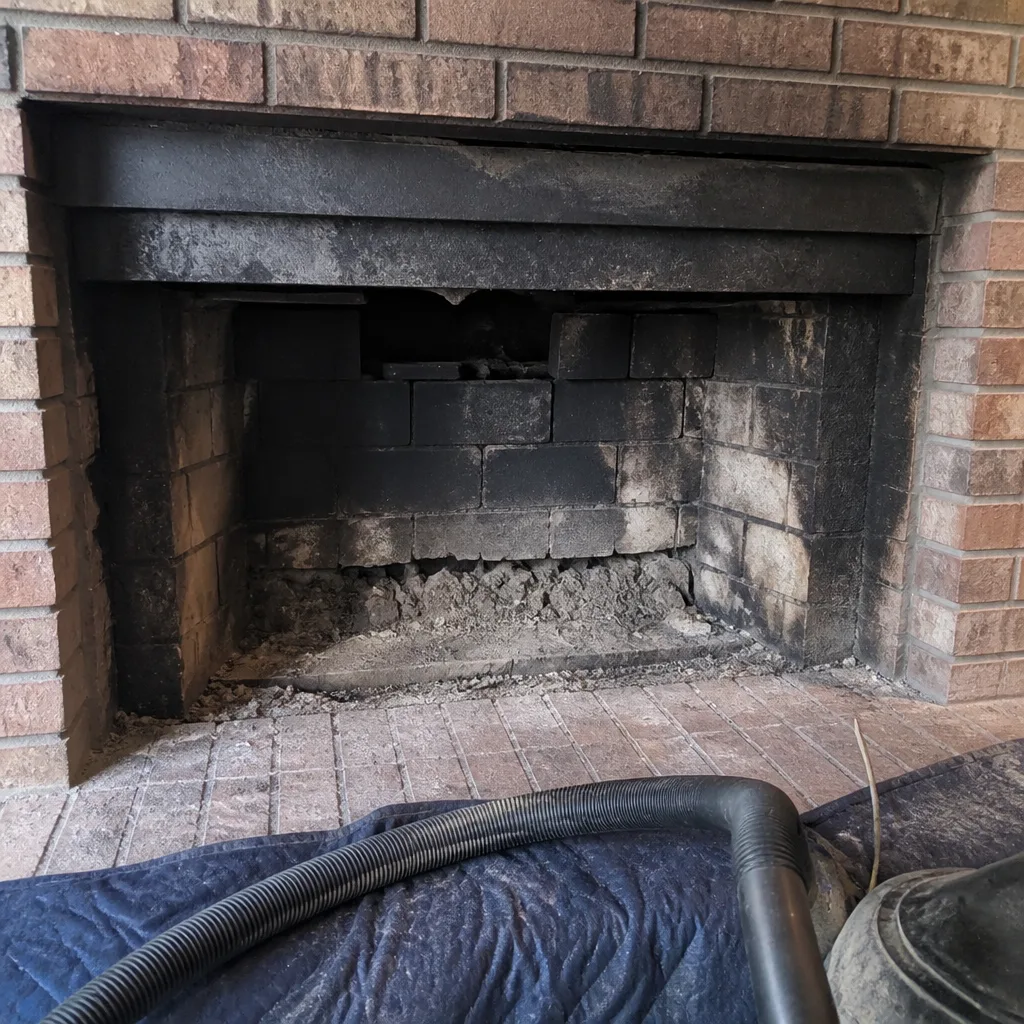 Before
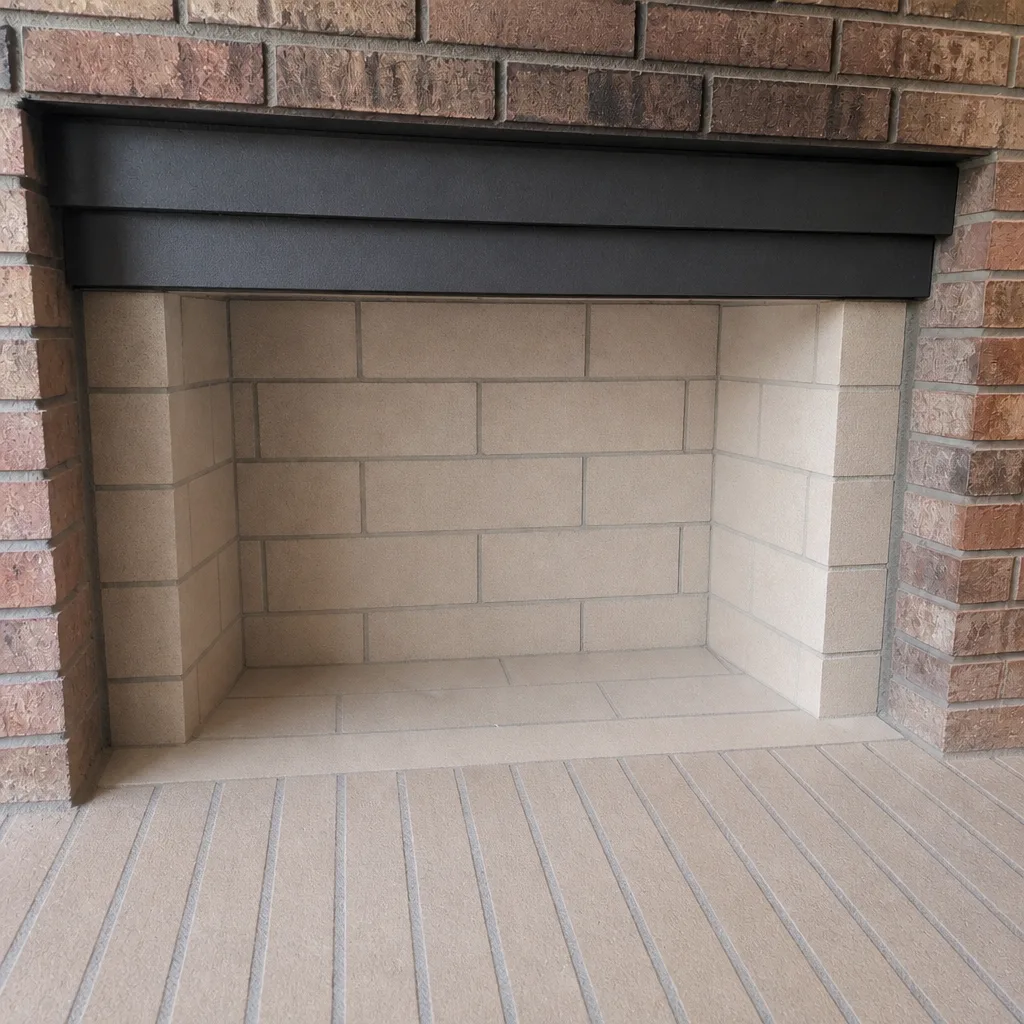 After
When to Call a Professional
Some chimney work is routine maintenance, like an annual sweep. Other situations call for a professional sooner. Call if smoke backs into the room when you build a fire, if you notice a strong creosote smell that doesn’t clear, if you see staining or spalling on the exterior masonry, if you hear water in the chimney during rain, or if you can see cracked or missing tile liner through the firebox. Any of those signals is reason to get an inspection before another heating season starts. A professional can document what is actually going on with a camera and give you a written report.
Tulsa Chimney Cleaning offers free estimates in Tulsa. Call (833) 712-5506. We answer 24/7. Fast dispatch from 7am to 7pm, Sunday through Friday.
Frequently Asked Questions
Yes, for the four product categories that carry most of the safety load: liners, crown coatings, smoke chamber sealants, and waterproofing. These sit in high-temperature or wet-freeze conditions where a hardware-store product can fail in a few seasons. Professional-grade brands like DuraFlex and HeatShield are engineered and tested for those conditions, and the cost difference is small compared to the cost of a failed repair. Call (833) 712-5506 for an exact quote; estimates are free.
Ask them to name the brand and product line for your specific repair, and ask why that product fits your chimney. A confident, specific answer that ties the product to your chimney’s condition is what you want. A vague answer like “the best materials available” is a warning sign. Then ask for the product label at install and the manufacturer’s paperwork afterward. Call (833) 712-5506 to talk through what your chimney needs.
No. HeatShield is a resurfacing system that smooths and seals the smoke chamber and can extend liner life without a full relining. It works when the liner is still structurally sound but the smoke chamber is rough, cracked, or unsealed. When the liner itself has failed, a flexible liner system from DuraFlex or Olympia Chimney is the correct fix. A camera inspection tells you which situation you are in. Call (833) 712-5506 to book an inspection.
Tulsa’s freeze-thaw cycles in winter and humid summers put the exterior masonry through repeated wet-dry and freeze-thaw stress. That is why breathable waterproofing and a properly fitted crown matter so much here. A product that seals too tightly traps moisture and makes the damage worse. A product designed for chimney masonry lets the brick breathe while keeping rain out. Call (833) 712-5506 for a quote tailored to your chimney.
Chimney relining usually requires a permit or at least a notification to your local building department, though the exact requirement depends on the scope of work and how your municipality handles it. Ask your city’s building department directly before work begins. A professional contractor will know to raise the question up front rather than leaving it for you to discover. Call (833) 712-5506 to discuss a relining quote.
Occasional use does not remove the need for inspection. A chimney that sits idle can still accumulate moisture damage, animal nests, and blocked flues. That’s particularly true in Tulsa, where summer humidity and fall storms can leave outdoor debris in the flue. An annual inspection catches those problems before they become expensive, and the camera makes it easy to see the actual condition. Call (833) 712-5506 to book an inspection.
The Bottom Line
The brand of product that goes into a chimney repair is the single biggest factor most homeowners have control over. Here is the short version. Ask what brand your contractor will use, and expect a specific answer. Request the product name in the written estimate. Ask to see the label at install. Verbally confirm that resurfacing products and liner systems are what was quoted. Then keep the paperwork so the next technician can see what was installed. In Tulsa, where the climate stresses the masonry every year, those steps are the difference between a repair that holds and a repair that comes back. Sweep. Repair. Inspect. All from one specialist. For a full look at what we do, visit Tulsa Chimney Cleaning or explore our service area on the Tulsa page.
Call (833) 712-5506. We answer 24/7. Fast dispatch from 7am to 7pm, Sunday through Friday.
Written by the team at Tulsa Chimney Cleaning.