
Last updated November 16, 2026
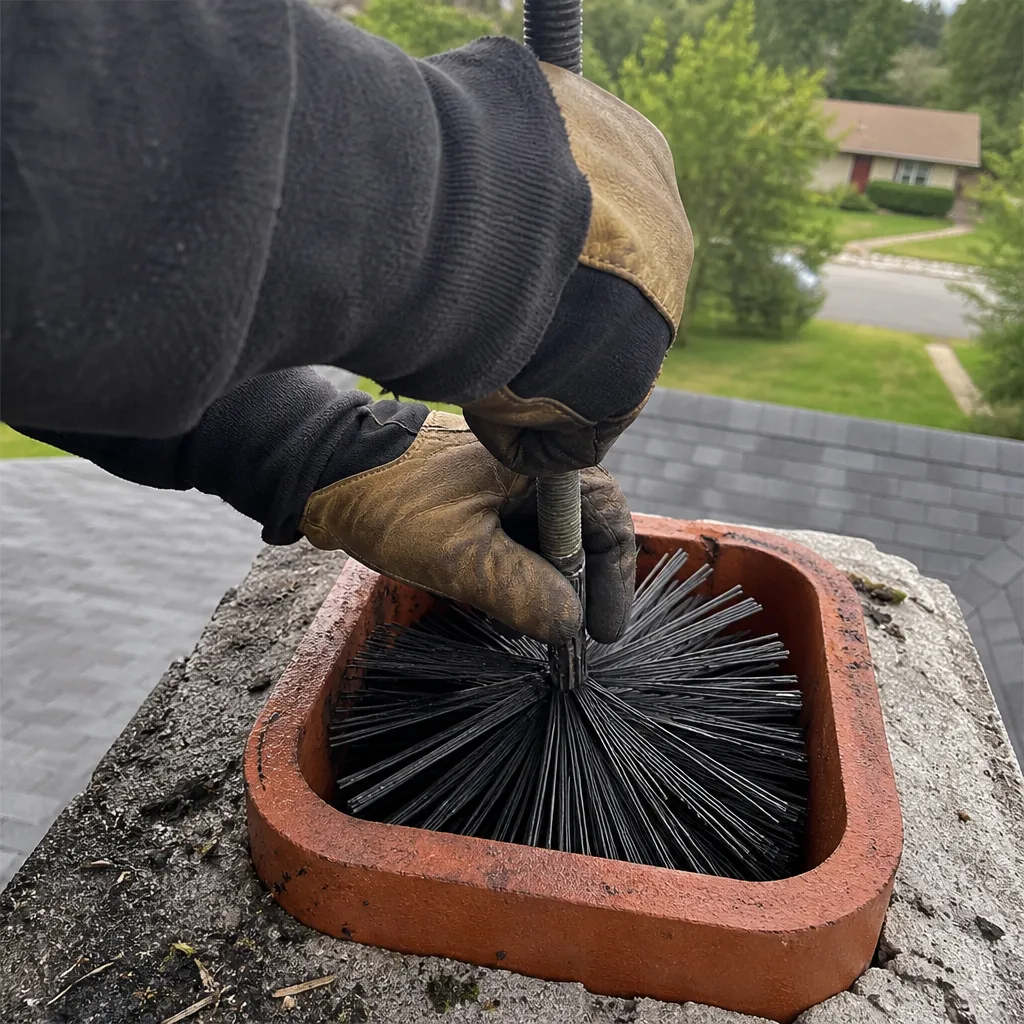
 Sweep & inspection
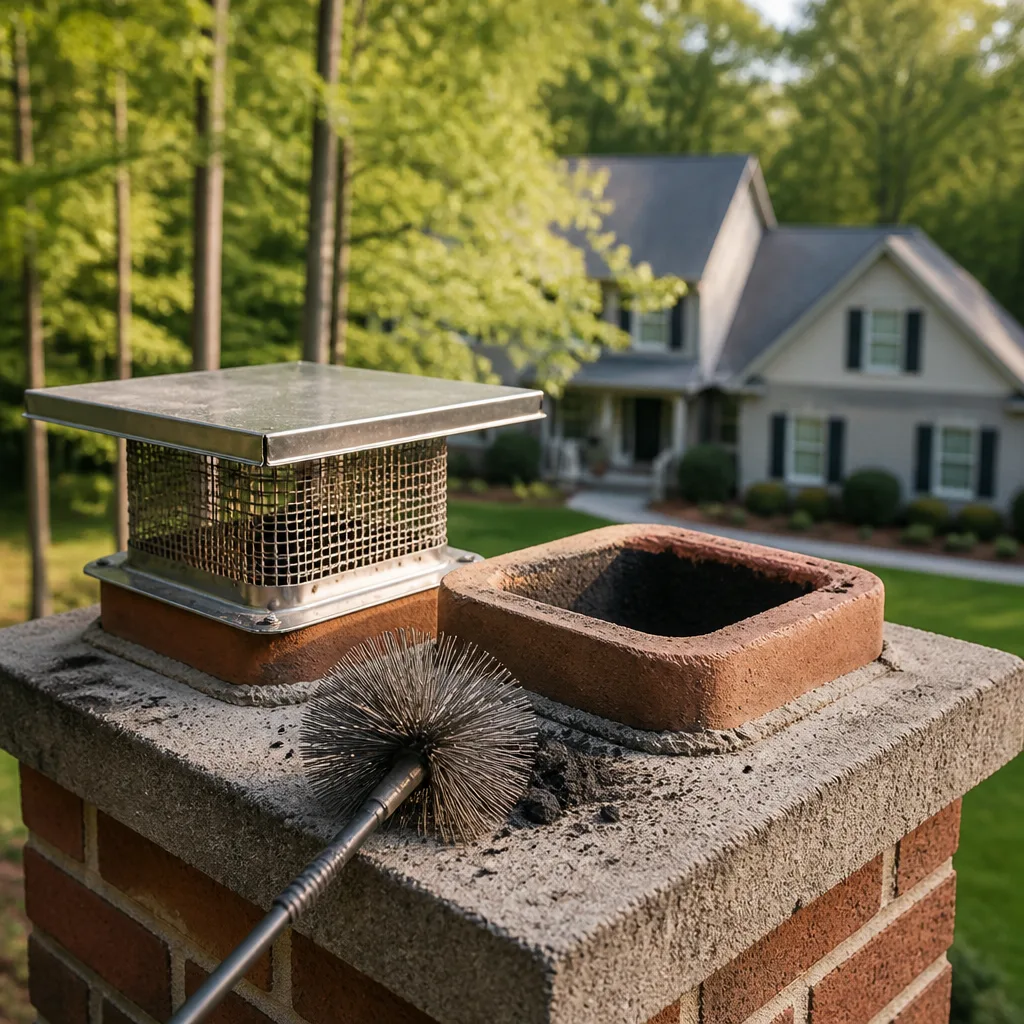
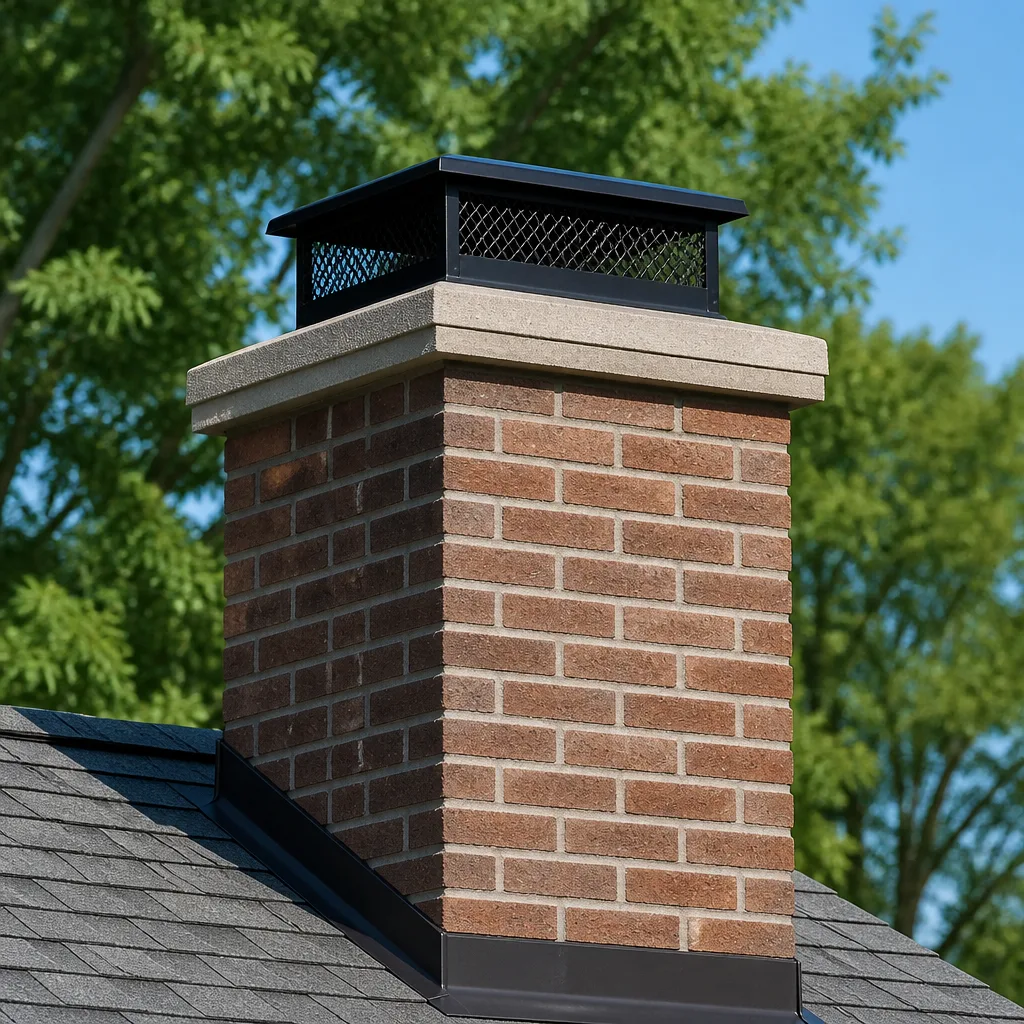 Caps & crowns
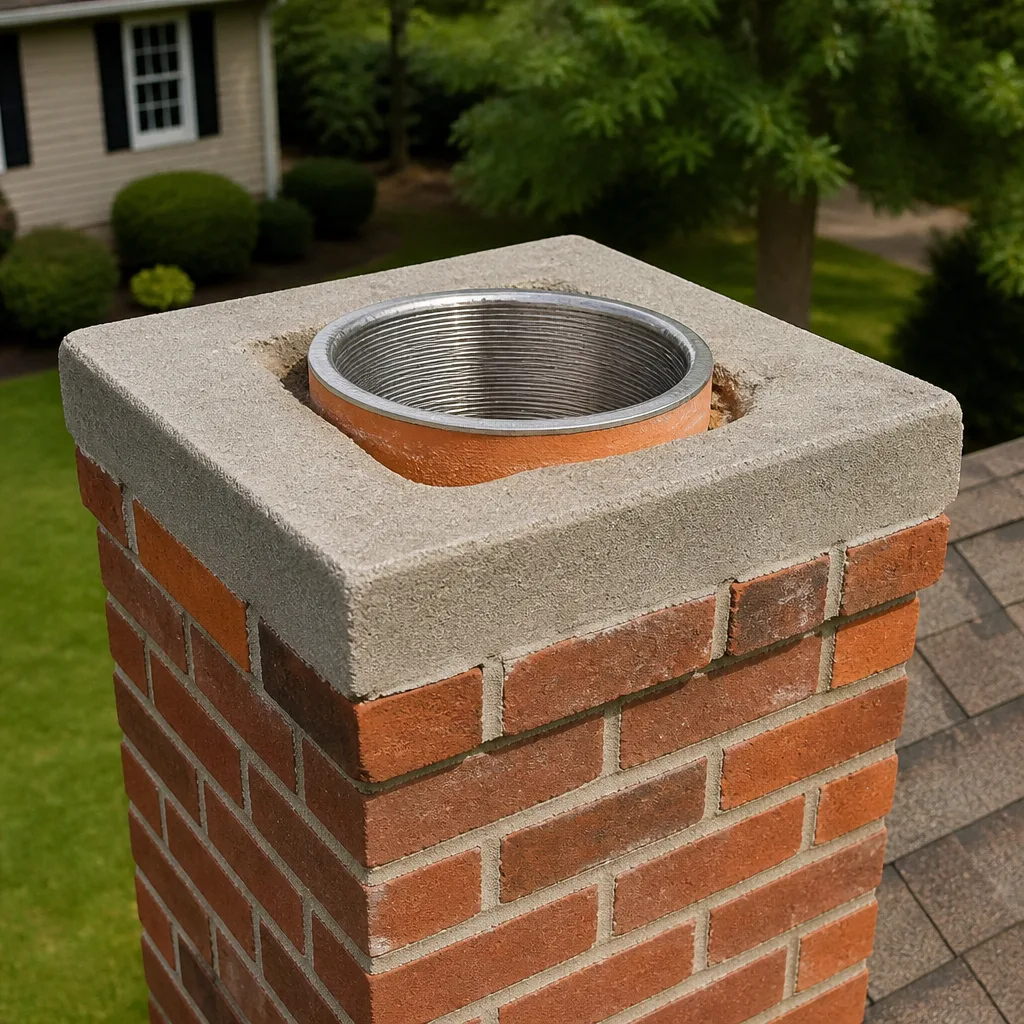 Flue relining
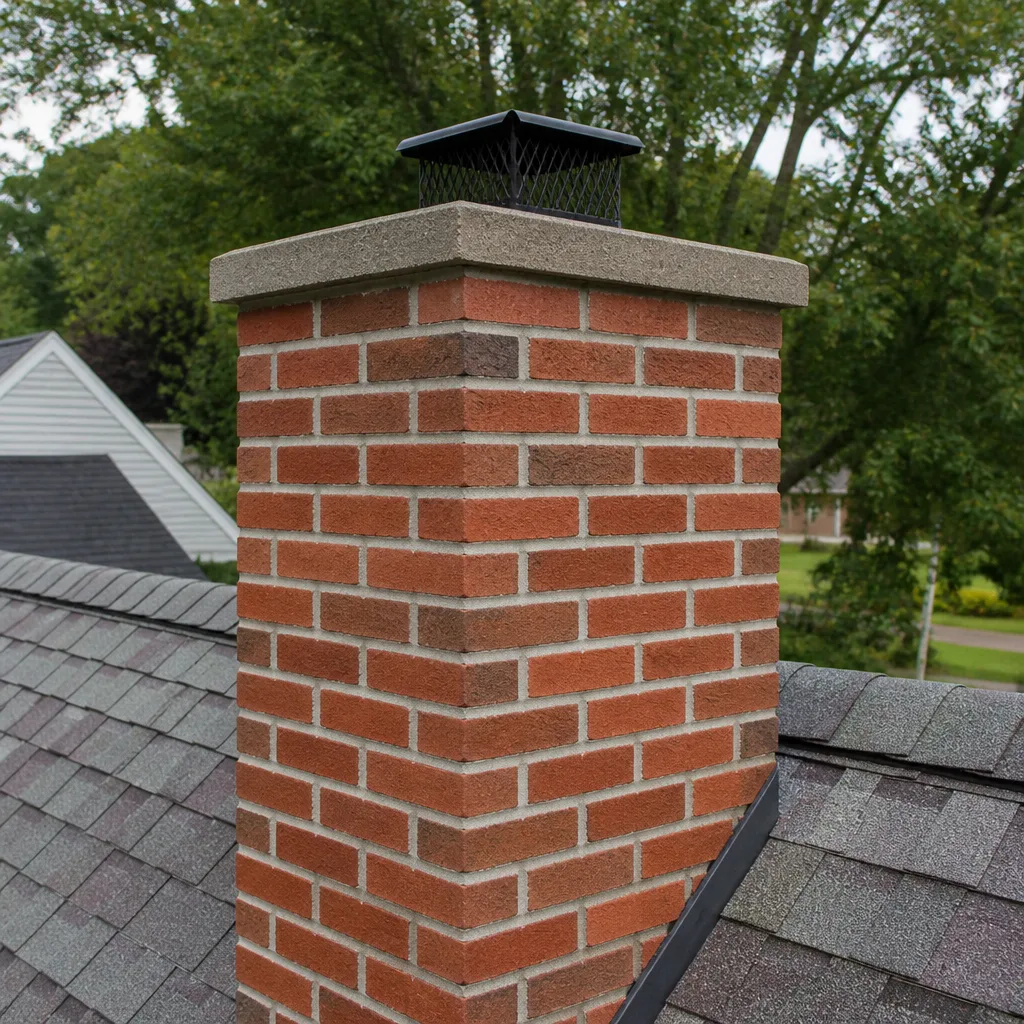 Masonry repair
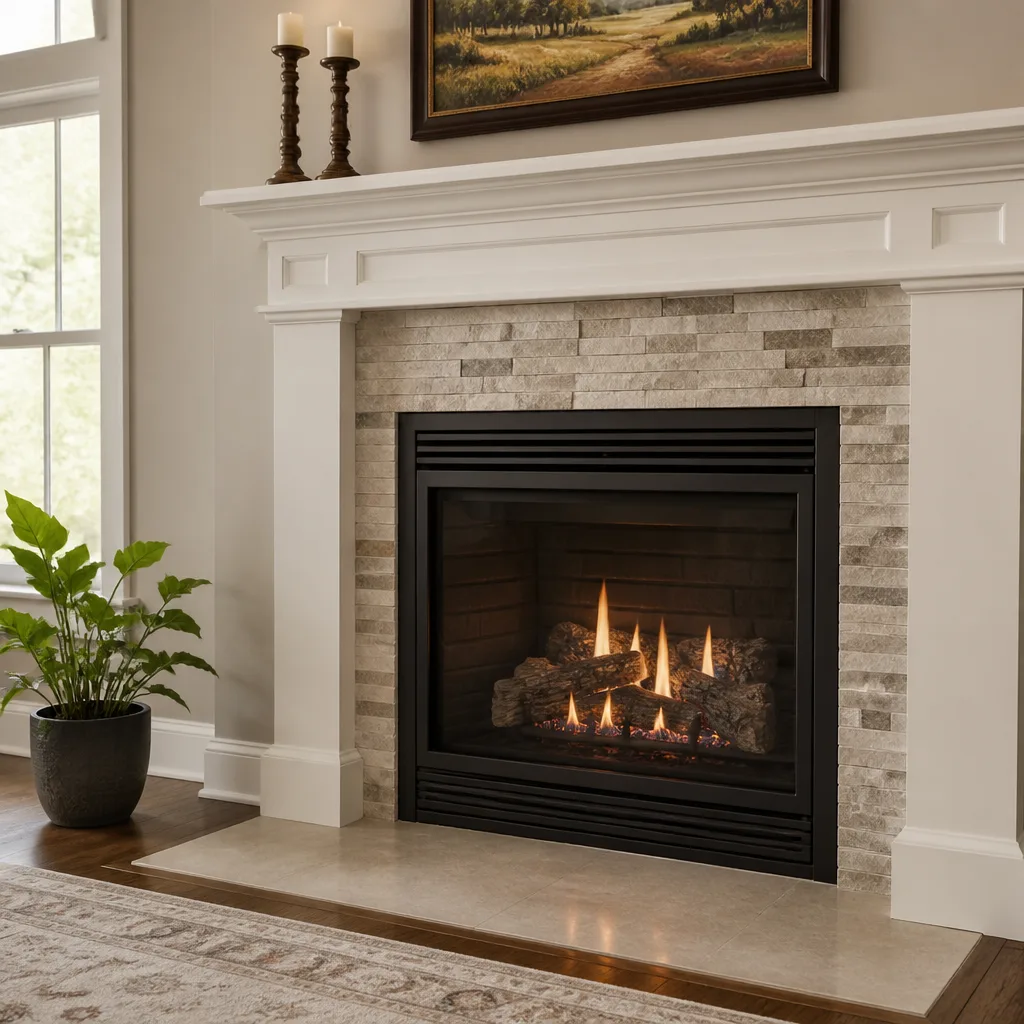 Gas fireplace service
Level 1 sweep and inspection to the NFPA 211 annual standard - flue, crown, cap, and flashing checked and photographed
Chimney sweep logs do not sweep chimneys. They loosen some creosote - which then falls where a brush and vacuum still have to collect it.
The Complete Guide to Chimney Cleaning in Tulsa
Most Tulsa homeowners book a sweep, watch the brush go up the flue, and figure the job is finished. It’s an easy assumption to make, and it’s also how a routine cleaning quietly turns into a liner replacement nobody budgeted for. Here’s the counterintuitive part: sweeping is only one of four distinct categories of chimney work, and the other three are what actually protect your house. This guide maps the whole system – sweeping, inspection, repair, and relining – and explains how each one gets triggered in Tulsa’s particular climate, soil, and housing stock. By the end, you’ll know what you’re managing, not just what to schedule.
Quick Answer
Chimney cleaning in Tulsa means more than brushing creosote off the flue walls. A proper service combines a sweep, a level-appropriate inspection, and any repair the inspection uncovers – and in Tulsa’s humid, wide-swing climate, creosote stages differently than it does in drier parts of the country. Most wood-burning chimneys need sweeping once a year or after roughly a cord of wood, and the inspection that comes with it is what catches the crown cracks and liner gaps that water and freeze-thaw cycles turn into expensive problems.
Styles & brands we work with
- Sweep & inspection
- Caps & crowns
- Flue relining
- Masonry repair
- Gas fireplace service
Table of Contents
- The Four Categories of Chimney Work (and What Triggers Each)
- How Tulsa’s Climate Changes Creosote and Wear
- Red Clay, Foundation Movement, and Your Chimney Crown
- Reading a Level 1 vs. Level 2 Inspection Report
- CSIA-Certified Sweeps vs. General Contractors
- What a Professional Sweep Actually Involves
- Why Materials Matter: Liners, Resurfacing, and Caps
- How Often Should You Schedule Service in Tulsa?
The Four Categories of Chimney Work (and What Triggers Each)
Chimney service isn’t one product. It’s four, and they escalate in cost and complexity in a predictable order. Understanding the ladder is the single most useful thing a homeowner can learn, because it tells you when you’re still in cheap territory and when you’re not.
- Sweeping – removing creosote, soot, and debris from the flue. Triggered by annual maintenance or by burning about a cord of wood. This is the routine, lowest-cost service.
- Inspection – a visual and, where needed, camera-based evaluation of the flue, firebox, damper, crown, and flashing. Triggered by the annual sweep, a change in how the fireplace performs, a new appliance, or a real estate transaction.
- Repair – fixing what the inspection found: cracked crowns, failed flashing, deteriorated mortar joints, damaged caps. Triggered by water intrusion or structural wear.
- Relining – installing a new flue liner when the existing one is cracked, gaps, or otherwise compromised. Triggered when repair can’t restore a safe flue, or when a new appliance requires a properly sized liner.
The pattern in our experience is consistent: homeowners who sweep and inspect annually stay in category one and two for years. Homeowners who skip inspection drift into category three and four without warning, because the failures that force relining happen out of sight, above the firebox, where nobody looks.
A clean chimney is a working fire-safety system – flue, liner, crown, cap, and connections all doing their job together. When one part fails, the others carry load they weren’t designed for.
How Tulsa’s Climate Changes Creosote and Wear
Tulsa sits in a climate that swings hard. Winter nights drop toward 20°F, summers push past 100°F, and the humidity stays high enough through much of the year that masonry never fully dries out. That combination does two things to a chimney that a drier climate doesn’t.
First, creosote stages faster and more unpredictably. Creosote forms in three general stages – a light soot, a flaky crust, and a hardened, glazed deposit – and the glazed stage is the one that fuels chimney fires. In a humid climate, the moisture in wood and in the air interacts with combustion byproducts in ways that can push deposits toward the harder stages sooner, especially when wood isn’t well seasoned. That’s a strong argument for buying seasoned firewood and storing it covered, off the ground, well before you burn it.
Second, the temperature swings drive freeze-thaw cycles through masonry. Water soaks into brick and mortar during wet spells, then freezes and expands when the temperature drops, then thaws and contracts. Repeat that across a Tulsa winter and small cracks widen, mortar joints loosen, and the crown – the concrete cap at the top of the chimney – starts to spall and crack. Once the crown cracks, water gets into the chimney structure itself, and the damage accelerates.
What this means practically for a Tulsa homeowner:
- Inspect annually, not every few years. The climate doesn’t give masonry much recovery time.
- Burn seasoned wood. Wet wood produces more creosote and more smoke.
- Watch the crown and flashing after every freeze. Those are the entry points for water.
- Don’t assume a mild winter means a mild year for the chimney. Wet-and-cold cycles do the damage, not just cold alone.
Red Clay, Foundation Movement, and Your Chimney Crown
Much of Tulsa sits on expansive red clay, and that clay does something most homeowners never connect to their chimney: it swells when wet and shrinks when dry. Across a year of wet springs and dry summers, that expansion and contraction moves foundations slightly, and a masonry chimney is a tall, rigid structure attached to that foundation. When the ground shifts, the chimney doesn’t move as one piece with the house.
Where that shows up first is at the top. The crown is a concrete cap that sheds water away from the flue and the masonry below it. Foundation movement, combined with normal thermal expansion, opens hairline cracks in the crown. Once cracked, water gets in, freezes, and widens the crack. The cycle repeats until the crown is failing outright and water is running down inside the chimney chase.
The related failure is at the flashing – the metal that seals the joint between the chimney and the roof. Movement at the chimney base pulls flashing loose, and that’s another water path. In Tulsa, both crown cracks and flashing failures are common enough that any inspection should look at them specifically, not just at the flue interior.
What to check, without climbing anything:
- Look at the crown from the ground with binoculars after a wet spell. Cracks, crumbling concrete, or staining down the sides are signs water is getting in.
- Check the ceiling and framing near the chimney inside the attic for water stains after heavy rain.
- Watch for rust streaks on the firebox or damper – a sign water is coming down the flue.
- Note any chimney that leans or shows a gap at the roofline. That’s a structural question for a professional, not a DIY fix.
Anything involving the roof, the crown, or the top of the flue is height work, and we don’t recommend homeowners get up there. A trained technician with the right equipment can assess it safely and tell you whether it’s a repair or something that can wait.
Reading a Level 1 vs. Level 2 Inspection Report
Inspection reports come in levels, and the level tells you what was actually checked. Knowing the difference means you can read a report and understand what it does and doesn’t cover.
Level 1 is a visual inspection of readily accessible portions of the chimney – the firebox, damper, flue as far as can be seen, and the exterior where visible from the ground or roof. It’s appropriate for routine annual maintenance when nothing has changed. It answers “is this chimney safe to keep using as-is?”
Level 2 adds a camera inspection of the flue interior and a closer look at accessible attic, crawlspace, and connection points. It’s appropriate when something has changed: a new appliance, a change in how the fireplace performs, a real estate transaction, or an event like a chimney fire or earthquake. It answers “what’s actually going on inside the flue that we can’t see?”
How to read the follow-up recommendations:
- Note the level. If a report doesn’t say what level it is, that’s a gap worth asking about.
- Look for camera evidence. A recommendation without photos or video from inside the flue is one you can’t verify. Ask to see it.
- Separate “now” from “later.” A good report distinguishes urgent safety items from maintenance items that can wait.
- Ask what happens if you do nothing. Any honest inspector can tell you whether a finding is a safety issue, a water issue, or cosmetic.
That last point matters more than anything else in the report. A recommendation you can’t verify is a recommendation you shouldn’t act on blindly. Camera inspection and photo documentation should be part of the conversation, not an upsell.
CSIA-Certified Sweeps vs. General Contractors
A general contractor advertising chimney work and a CSIA-certified sweep are not the same service, and the difference shows up in what they’ll find and how they’ll fix it. Chimney work is its own trade with its own codes, its own tools, and its own material standards.
A certified sweep works on chimneys every day. They know how creosote stages, how to read a flue with a camera, how liners are sized for specific appliances, and how to specify materials that hold up in a chimney environment. A generalist may be a fine contractor for other work, but chimney work falls outside their core expertise, and the materials they reach for are often whatever the local hardware store stocks.
What to look for:
- CSIA certification – a credential specific to this trade.
- Professional-grade materials, not hardware-store substitutes. Trade-level sourcing signals a contractor who works on chimneys as a specialty.
- Camera inspection capability and photo documentation you can review.
- A written report that distinguishes urgent from wait-and-see findings.
- A flat price agreed before the work starts, not a number that changes after the brush comes out.
We specify materials like DuraFlex, HeatShield, Gelco, and Olympia Chimney because they’re what the trade uses – not what’s cheapest to stock. That’s a meaningful distinction when the liner is the thing standing between a fire and your house.
What a Professional Sweep Actually Involves
A professional sweep in Tulsa is a controlled, contained process, not a brush-and-hope operation. Here’s what a typical visit covers.
- Setup and protection. Drop cloths and a containment system go down before any work starts. The goal is zero soot in the living space.
- Visual assessment. Before sweeping, the technician checks the firebox, damper, and accessible flue to see what they’re dealing with.
- Sweeping. Brushes sized to the flue remove creosote and soot from the walls. The debris is collected, not left to fall into the firebox.
- Camera inspection where appropriate. The flue interior gets a look with a camera to catch cracks, gaps, and staged creosote that a brush won’t show.
- Exterior and top-end check. Crown, cap, and flashing get assessed, since those are where water enters.
- Report and recommendation. You get a written summary with photos and a clear distinction between “safe to use,” “needs repair,” and “needs relining.”
For a straightforward annual sweep on a wood-burning fireplace, this is a routine visit. For a chimney that hasn’t been serviced in years, it can uncover findings that need a follow-up – which is exactly the point. A sweep that turns up nothing is a good outcome. A sweep that turns up a cracked crown before it becomes a $4,000 liner replacement is a better one.
Our technicians have up to 10 years of experience, and the work is specific to this trade. That focus is what lets us read a report correctly and explain what’s actually happening in the flue.
Why Materials Matter: Liners, Resurfacing, and Caps
The parts of a chimney that fail are the parts you never see, and the material specified for each job determines how long the fix lasts. This is where trade-level sourcing separates a proper repair from a temporary patch.
Liners. A liner is the flue within the flue – the surface combustion gases actually travel against. When it’s cracked or gapped, gases and heat can reach the surrounding structure, and that’s a safety failure, not a cosmetic one. DuraFlex and Olympia Chimney liner systems are what we specify for relining work when the existing liner can’t be restored. A properly sized, properly installed liner is the right answer for your flue, installed correctly the first time.
Resurfacing. Not every compromised liner needs full replacement. HeatShield is a professional-grade resurfacing system used to restore a liner’s interior surface without pulling the whole thing. It’s the kind of product that doesn’t show up in general hardware channels, and it lets us extend the life of a liner that’s wearing but not yet failed – when the camera evidence supports it.
Caps and flashing. The cap keeps water, animals, and debris out of the flue. The flashing seals the chimney to the roof. Gelco and Famco components are what we use for both, because weather protection that fails in a few years isn’t protection. A cheap cap that rusts through or blows off lets water in, and water is what starts the crown-and-flashing cycle described above.
The common thread: every one of these materials is chosen because it holds up in a chimney’s environment – heat, moisture, freeze-thaw, and combustion byproducts. Off-the-shelf substitutes don’t.
How Often Should You Schedule Service in Tulsa?
For most Tulsa homeowners with a wood-burning fireplace, insert, or stove, once a year is the right rhythm – typically before the burning season starts, so the chimney is clean and inspected before you light the first fire. If you burn heavily, roughly a cord of wood a year or more, you may need a sweep more often than that.
A few local factors push toward annual service rather than a looser schedule:
- Humidity and freeze-thaw. Masonry in Tulsa goes through more wet-cold cycles than in drier regions, so cracks and crown damage show up sooner.
- Clay soil movement. Foundation shift opens crown cracks and flashing gaps, and those need annual eyes on them.
- Staged creosote. In a humid climate, creosote can move toward harder stages faster, and the glazed stage is the chimney-fire risk.
- Housing age and masonry. Tulsa’s older masonry chimneys carry decades of wear, and annual inspection catches it before it compounds.
If you’ve moved into a home with a fireplace you’ve never used, schedule an inspection before the first burn. If you’ve had a chimney fire – even a small one – or a change in draft, smoke smell, or how the fireplace draws, that’s a Level 2 inspection, not a routine sweep.
Common Mistakes to Avoid
- Treating the sweep as the whole job. A sweep without inspection misses the crown cracks, flashing failures, and liner gaps that cause the expensive problems. The inspection is where the value is.
- Burning wet or green wood. In Tulsa’s humidity, unseasoned wood produces more creosote and more smoke. Season it and store it covered.
- Ignoring the crown after a freeze. Red clay movement plus freeze-thaw is what cracks crowns. Check it after every winter, not just every few years.
- Hiring a generalist because they’re already there. A handyman doing chimney work is outside his core trade. Chimney work has its own codes, tools, and materials.
- Acting on a recommendation you can’t verify. If you’re told you need a liner replacement and nobody shows you camera evidence, ask to see it. A recommendation you can’t verify is one you shouldn’t act on.
- Letting a cap rust through. A failing cap lets water and animals in. That’s cheap to fix and expensive to ignore.
- Using a fireplace you’ve never had inspected. New-to-you homes in Tulsa often have masonry chimneys with decades of wear and no service history.
See the difference
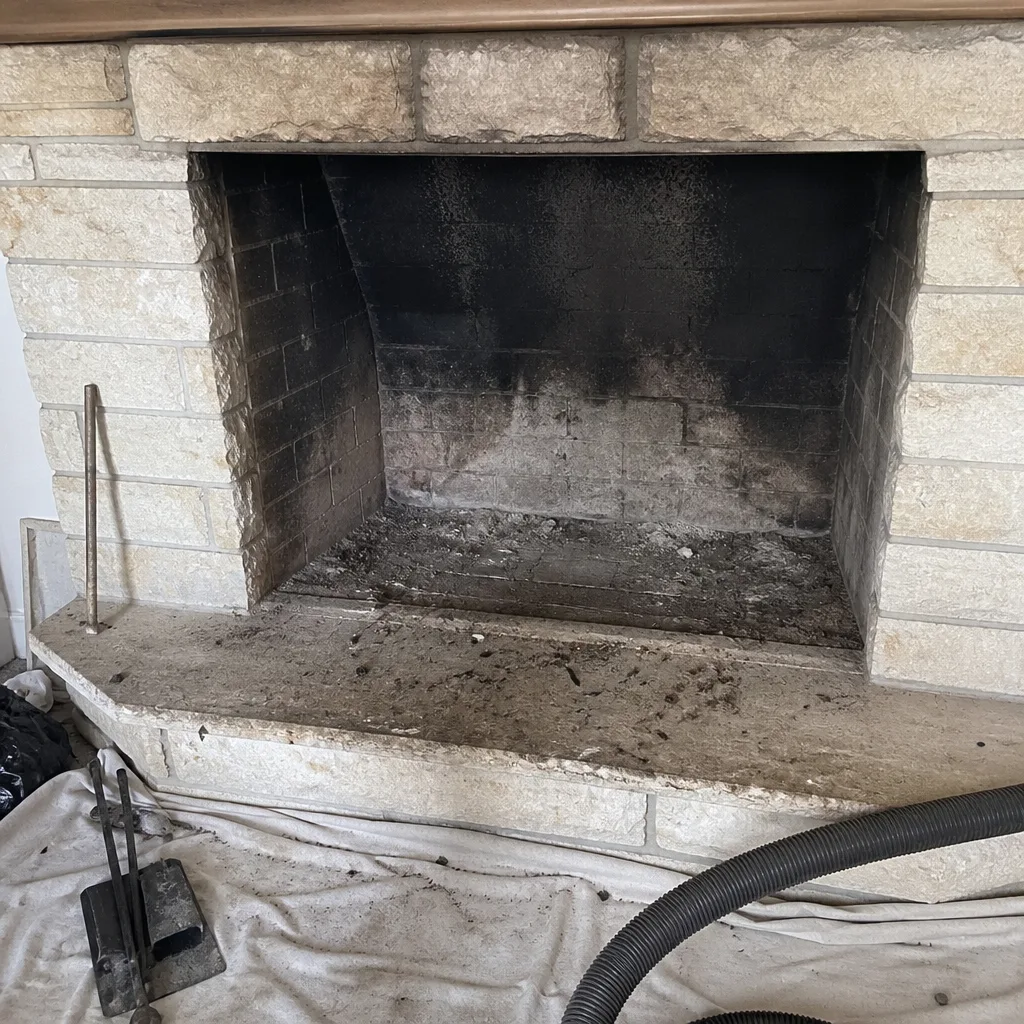 Before
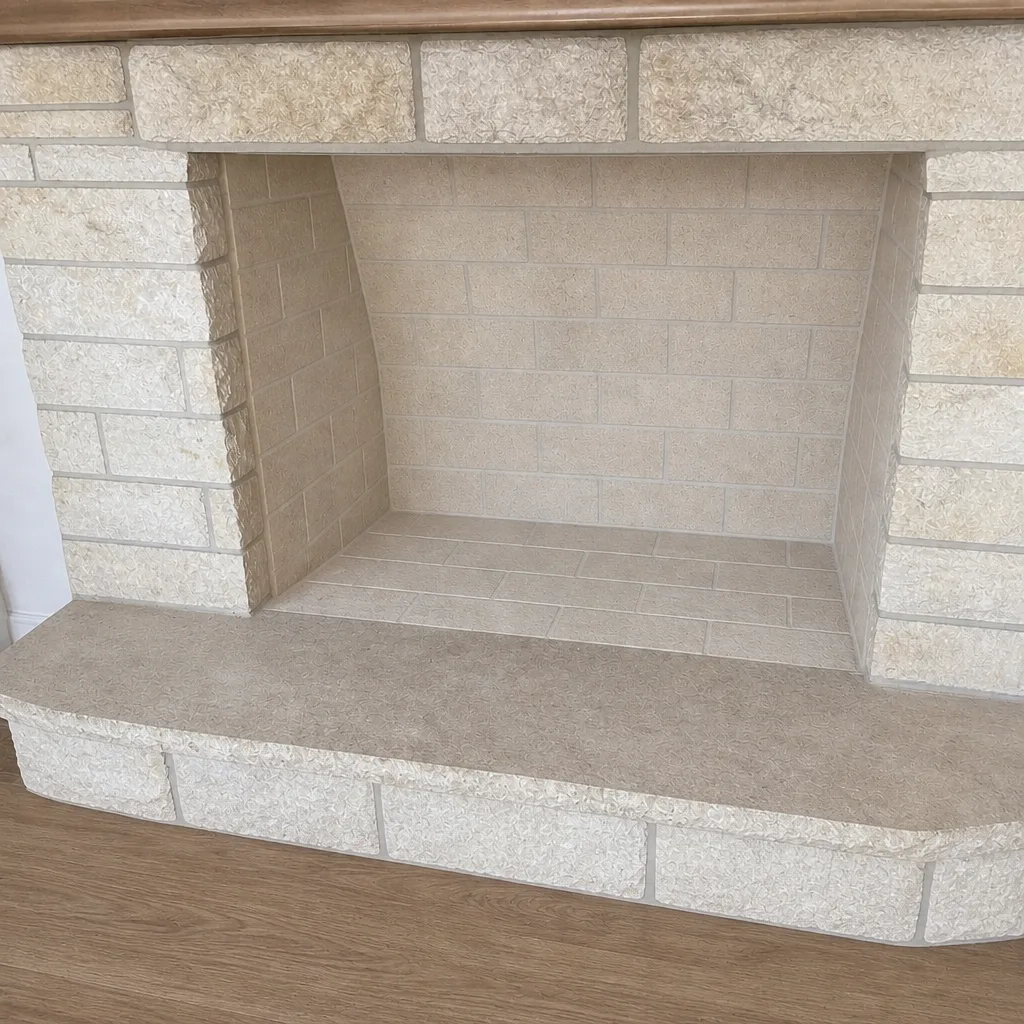 After
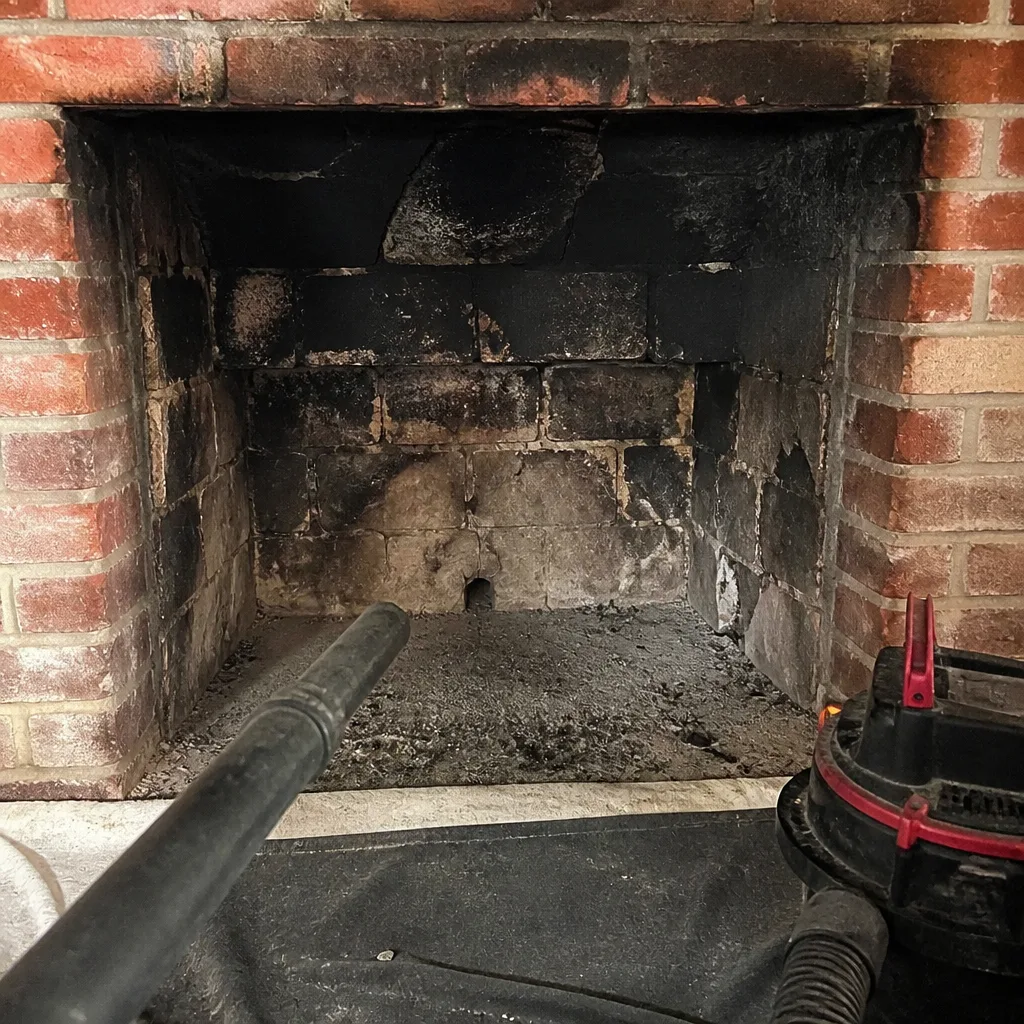 Before
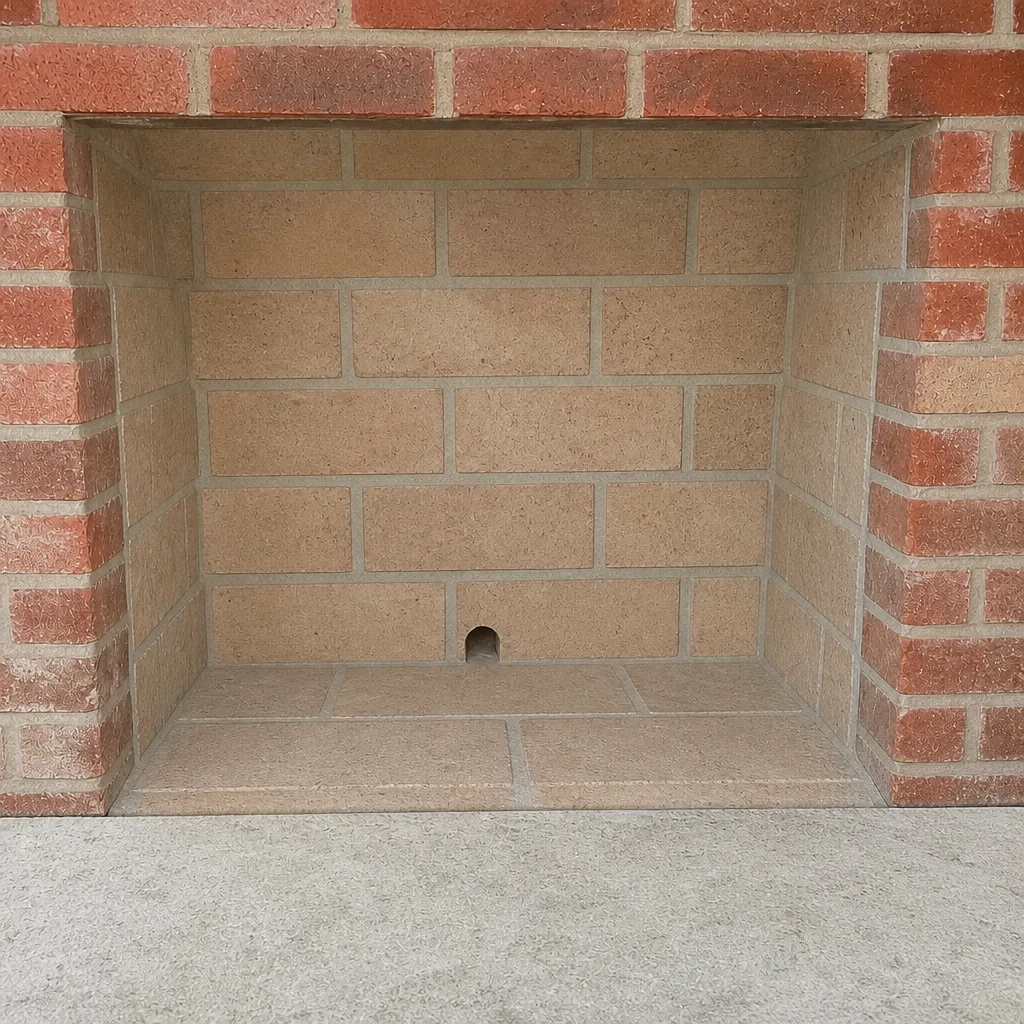 After
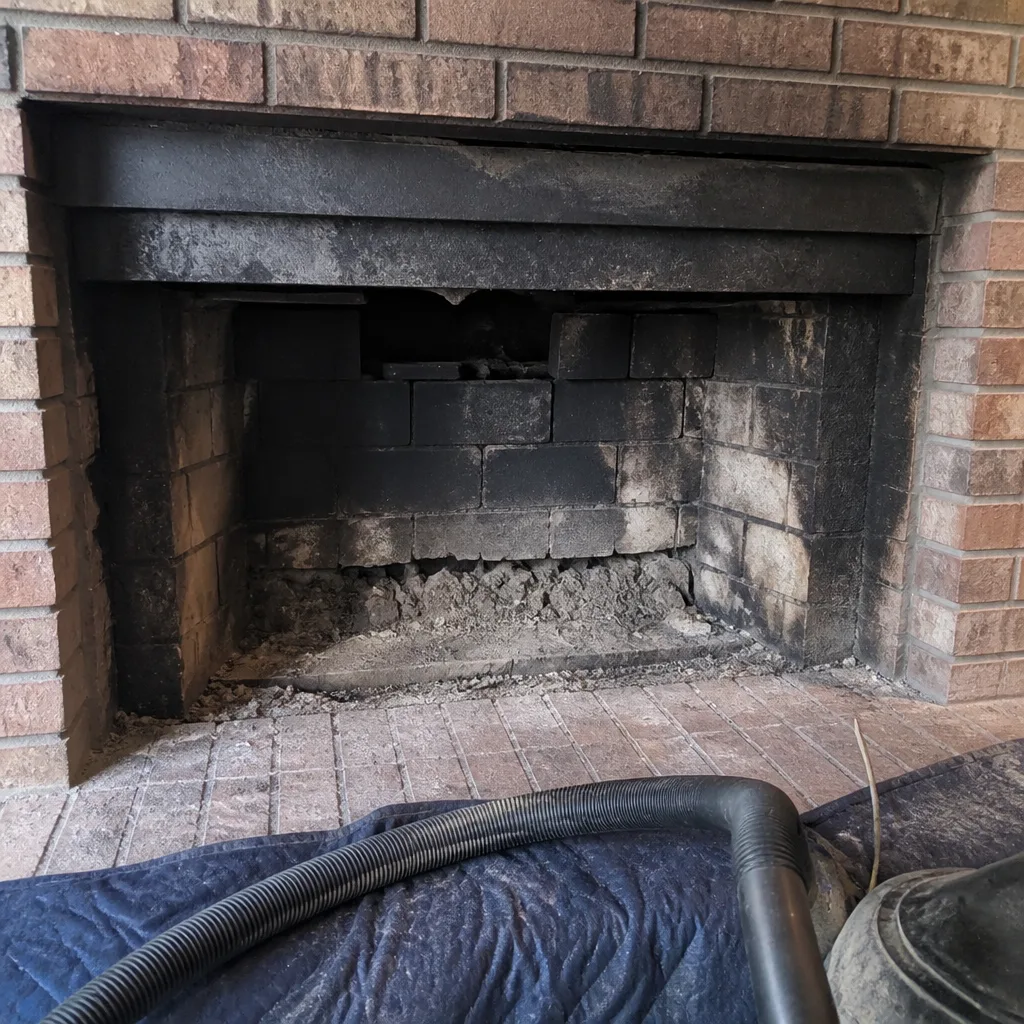 Before
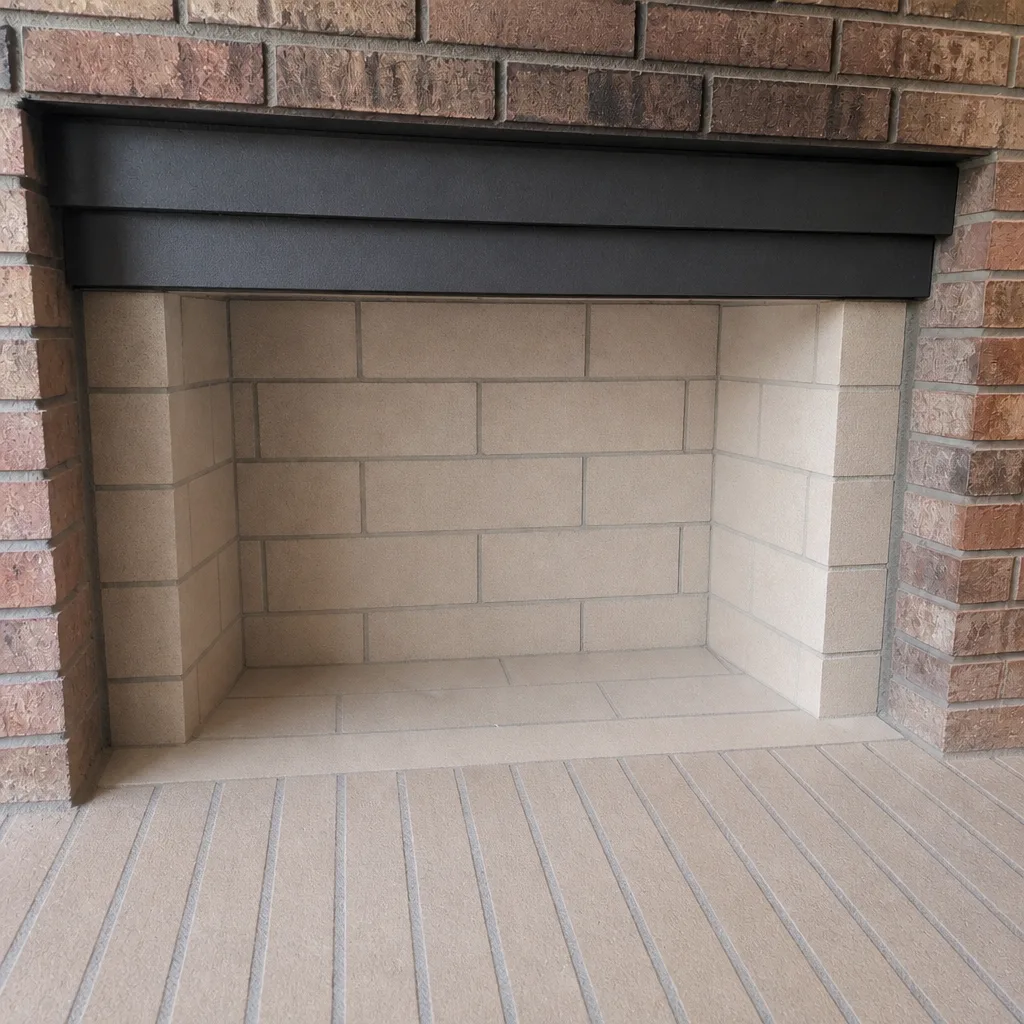 After
When to Call a Professional
Some chimney work is routine and can be scheduled; some needs a call soon. Call a professional if you’ve had a chimney fire, if smoke backs into the room when you burn, if you smell a strong creosote odor when the fireplace isn’t in use, if you see water staining near the chimney in the attic, or if the crown or flashing looks damaged from the ground. Also call before the first burn in a home you’ve never used the fireplace in, and any time you’re told you need liner work but haven’t seen the evidence. Tulsa Chimney Cleaning offers free estimates in Tulsa – call (833) 712-5506. We answer 24/7. Fast dispatch from 7am to 7pm, Sunday through Friday. Our technicians have up to 10 years of experience, and every estimate is a flat price agreed before the work starts.
Frequently Asked Questions
A routine chimney sweep in Tulsa typically falls in the low-to-mid hundreds of dollars, and the written estimate sets the final price. A sweep that includes a camera inspection and a written report is what you want, not a brush-only visit. Call (833) 712-5506 for an exact quote – estimates are free.
Only if the camera shows the existing liner is cracked, gapped, or otherwise compromised – and you should see that evidence yourself before agreeing to relining. Some worn liners can be restored with HeatShield resurfacing instead of full replacement. If nobody shows you the inside of the flue, ask. Call (833) 712-5506 for an exact quote – estimates are free.
Once a year for most wood-burning fireplaces, inserts, and stoves, or after roughly a cord of wood, and always before the burning season starts. Tulsa’s humidity and freeze-thaw cycles make annual inspection more important here than in drier climates. Call (833) 712-5506 for an exact quote – estimates are free.
Creosote keeps building, and in a humid climate it can move toward the glazed stage that fuels chimney fires. At the same time, crown cracks and flashing gaps let water in, and freeze-thaw widens them until repair turns into relining. Skipping isn’t a savings; it’s a delay with interest. Call (833) 712-5506 for an exact quote – estimates are free.
Red clay soil swells and shrinks with wet and dry cycles, moving the foundation slightly, and a masonry chimney is a tall rigid structure that doesn’t move with it. That, combined with freeze-thaw, opens cracks in the concrete crown. If the crown is cracked, water is getting in. Call (833) 712-5506 for an exact quote – estimates are free.
Level 1 is a visual inspection of accessible portions of the chimney, appropriate for routine annual service. Level 2 adds a camera inspection of the flue interior and closer checks, and it’s what you want after a chimney fire, a new appliance, a change in performance, or a home purchase. Call (833) 712-5506 for an exact quote – estimates are free.
We don’t recommend it, and it’s not just about getting dirty. A homeowner can’t safely inspect the flue interior, assess the crown from the roof, or read creosote staging without the right camera and training – and the parts that fail are the parts you can’t see. Call (833) 712-5506 for an exact quote – estimates are free.
The Bottom Line
Chimney cleaning in Tulsa is a system, not a single service. The sweep removes what’s there; the inspection finds what’s failing; the repair and relining address what the inspection uncovered. In Tulsa’s humid, wide-swing climate and on its expanding red clay, the inspection is what protects the investment – it catches crown cracks, flashing gaps, and liner wear before they turn into four-figure repairs. Schedule annually, before burning season, burn seasoned wood, and insist on camera evidence for any recommendation. That’s the whole system, and it’s what keeps a chimney safe and working for the long run.
Ready to schedule? Call (833) 712-5506. We answer 24/7. Fast dispatch from 7am to 7pm, Sunday through Friday. Estimates are free, and the price is set per job by the written estimate.
If you’d like to see how we approach the trade, start with Tulsa Chimney Cleaning, and when you’re ready to book, a chimney sweep is the right first step for most homes. If inspection turns up structural findings, our chimney repair service covers crown, flashing, and relining work, and you can read more about how we serve homeowners across Tulsa. Sweep, repair, and inspect – all from one specialist, with professional-grade materials.
Written by the team at Tulsa Chimney Cleaning.