
Last updated November 16, 2026
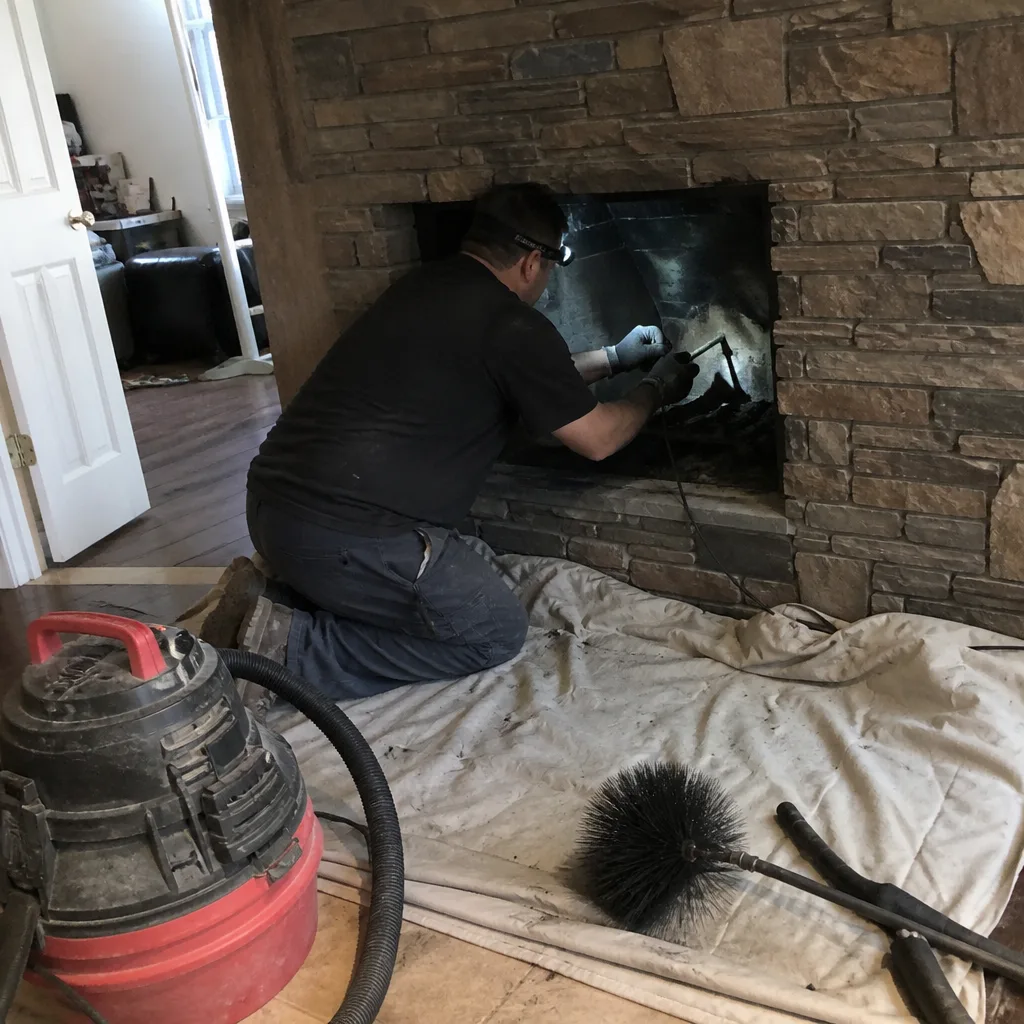
 Sweep & inspection
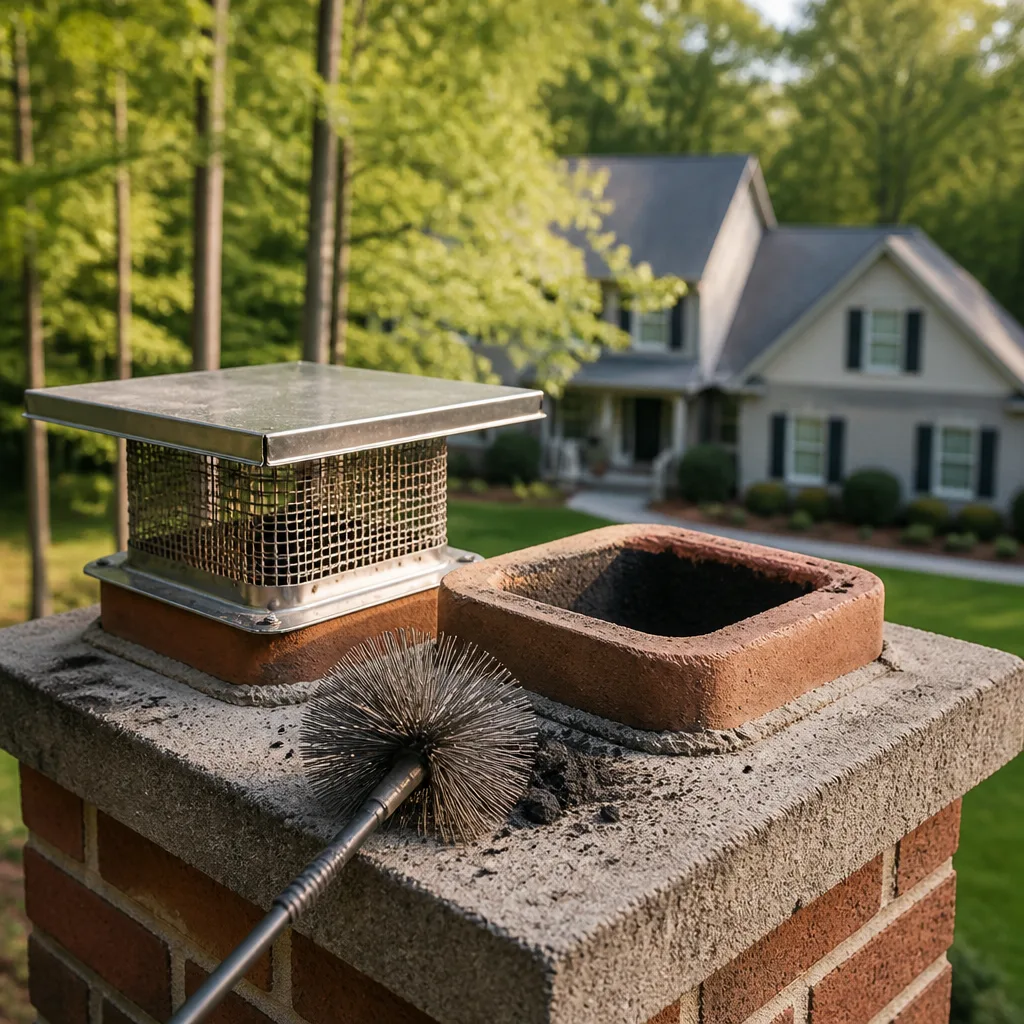
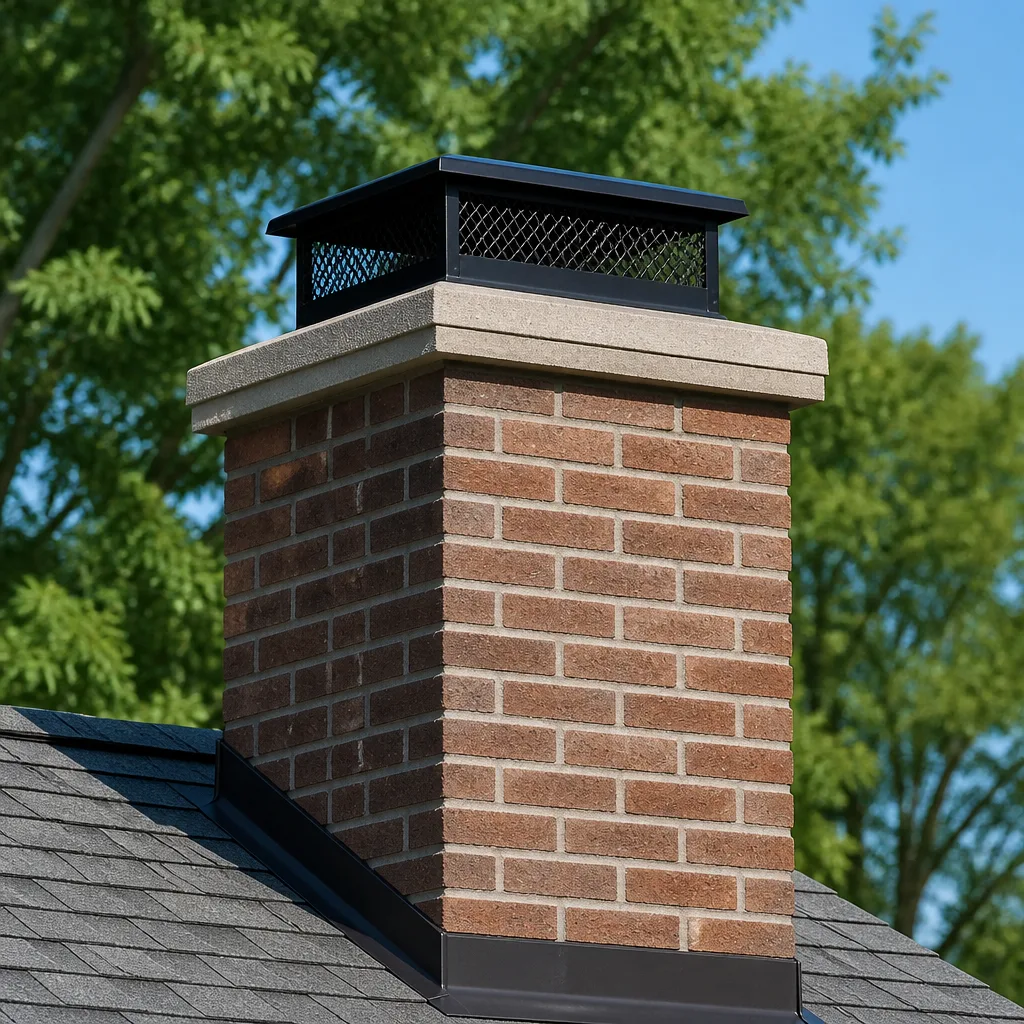 Caps & crowns
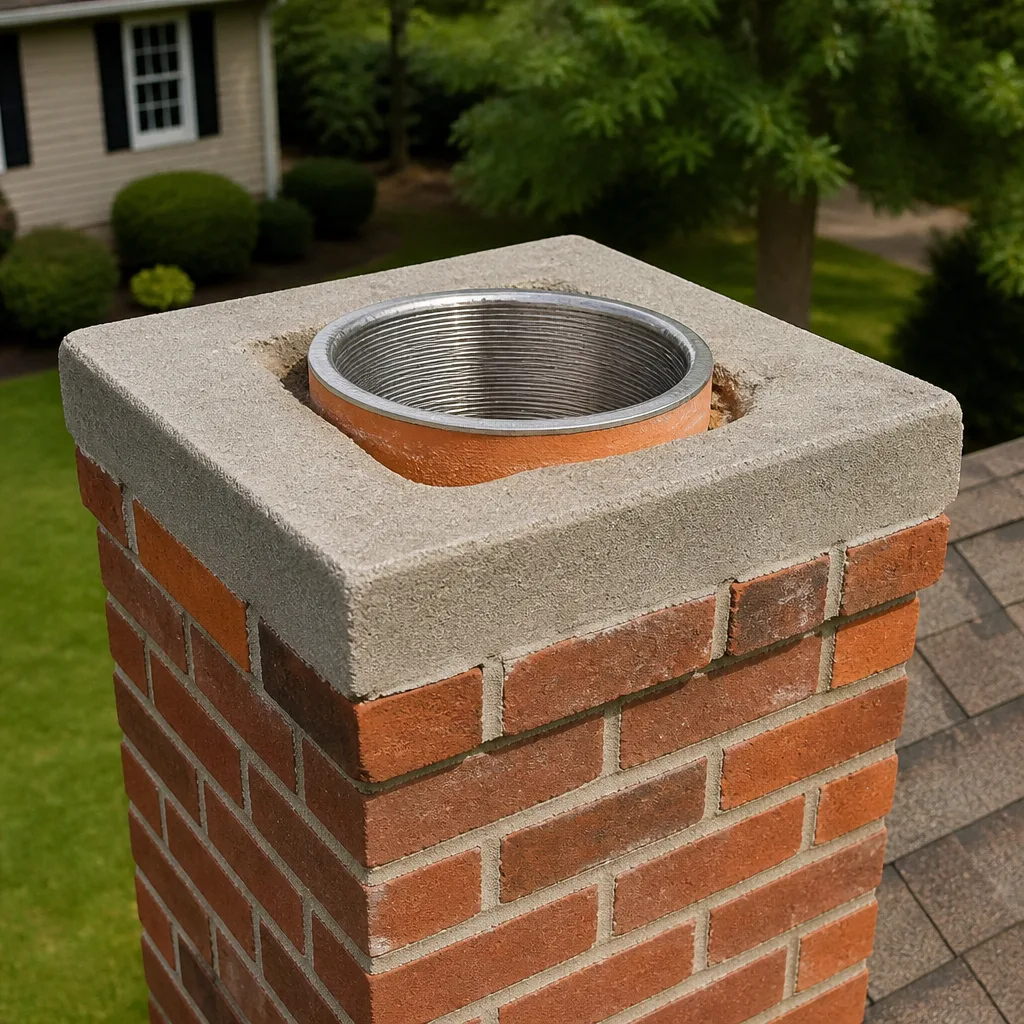 Flue relining
 Masonry repair
 Gas fireplace service
Level 1 sweep and inspection to the NFPA 211 annual standard - flue, crown, cap, and flashing checked and photographed
Chimney sweep logs do not sweep chimneys. They loosen some creosote - which then falls where a brush and vacuum still have to collect it.
Seasonal Chimney Cleaning Care for Tulsa: Year-Round Homeowner’s Guide
Most homeowners in Tulsa treat the chimney like a winter appliance: light the first fire when the cold arrives, forget about it by March. That habit is backwards. The worst time to discover a cracked flue tile in Tulsa is October, when every sweep in the city is three to six weeks booked out and a hard cold front is already in the forecast. Chimney care here is a year-round cycle, not a seasonal errand. The decisions you make between April and September, when the fireplace sits cold through a hot, humid Oklahoma summer, are the ones that determine how safely that first autumn fire burns. This guide walks through that full cycle, month by month, with the parts you can handle yourself and the parts that belong to a trained technician.
Quick Answer
In Tulsa, the right time to sweep and inspect a chimney is spring, right after the last fire, not fall before the first one. An idle chimney through Oklahoma’s hot, humid summer collects moisture, soot, and animal nests that quietly damage the flue, so a spring visit catches problems while there’s still months of weather to fix them. If you’ve already waited until fall, book early and expect a longer wait; a chimney with a known problem shouldn’t burn another season.
Styles & brands we work with
- Sweep & inspection
- Caps & crowns
- Flue relining
- Masonry repair
- Gas fireplace service
Table of Contents
- Why Spring Is the Real Chimney Season in Tulsa
- What Idle-Season Damage Actually Looks Like
- Post-Winter Tasks That Protect the System Before Rain
- Evaluating the Firebox After an Ice Storm
- Why Fall Is a Service Bottleneck and How to Plan Around It
- Summer Tasks Homeowners Can Do Without a Ladder
- A Year-Round Chimney Calendar for Tulsa Homes
- Liner and Cap Decisions That Last More Than One Season
Why Spring Is the Real Chimney Season in Tulsa
The Oklahoma fire season for most homeowners runs from late October through March. That leaves roughly half the year when the chimney is doing something other than carrying smoke, and that’s the window when real damage accumulates. In our experience, the chimneys that arrive in fall in the worst shape are the ones nobody looked at since the previous spring.
Here’s the counterintuitive part. Creosote is the obvious threat, and it builds during the burn season. But most of the damage we see in Tulsa chimneys happens while the fire is out. A Tulsa summer regularly pushes into the upper 90s and drags Gulf humidity up the Arkansas River valley. That combination is hard on masonry. Soot left on the flue walls pulls moisture out of the air, and moisture is what cracks, spalls, and rusts.
Spring cleaning and inspection close the loop on the burn season. The tasks split into three buckets:
- Sweep to remove creosote and soot while they’re still soft and before humid summer air makes the residue tacky and stubborn.
- Inspect to catch cracked tiles, loose mortar, and damaged crowns while there’s warm, dry weather to do the repairs.
- Seal and protect the crown, flashing, and exterior masonry before spring rains and summer heat cycles start working on them.
A spring visit also shows you what the fire actually did. After a winter of burning, a technician can see the creosote pattern, the condition of the damper, and whether the flue is glazed, which tells you more about last season’s burning habits than an inspection done months later.
Owners sometimes argue for a fall sweep as a “get it ready” move. It isn’t wrong, but it’s late. A fall sweep happens after six months of idle-season exposure to moisture and pests, so you’re fixing problems that a spring visit would have caught when the weather was better for repairs. Sweep in spring. If your burning habits are heavy, sweep again mid-season.
What Idle-Season Damage Actually Looks Like
Between April and October, a Tulsa chimney is not resting. It’s being worked on by heat, moisture, and animals. Knowing the specific ways an idle chimney degrades helps you spot the signs and understand what your technician is looking at.
Moisture and soot
Any soot or creosote left on the flue after a winter of fires is mildly acidic and hygroscopic, which means it pulls moisture from the air into the masonry. In a humid Tulsa summer, that keeps the inside of the flue damp for months. Damp mortar weakens, freeze-thaw cycles in the fall can pop it loose, and the same moisture rusts the damper assembly and steel liner joints. This is the single biggest reason to sweep in spring rather than fall.
Wasps, birds, and squirrels
An open, uncapped chimney is a premium piece of real estate for a paper wasp, a chimney swift, or a squirrel. Mud dauber nests and paper wasp nests block flue flow and can leave a fire burning poorly the next winter, which drives smoke back into the living room. Birds drop nesting material and the occasional dead bird down the flue, and that’s the source of the smell some Tulsa homeowners notice in late summer without realizing it’s coming from the chimney. A cap and a screen are the fix. We install caps and covers from Famco, a brand that holds up to Oklahoma wind and hail better than the thin sheet-metal caps sold at hardware stores.
Sun, wind, and the crown
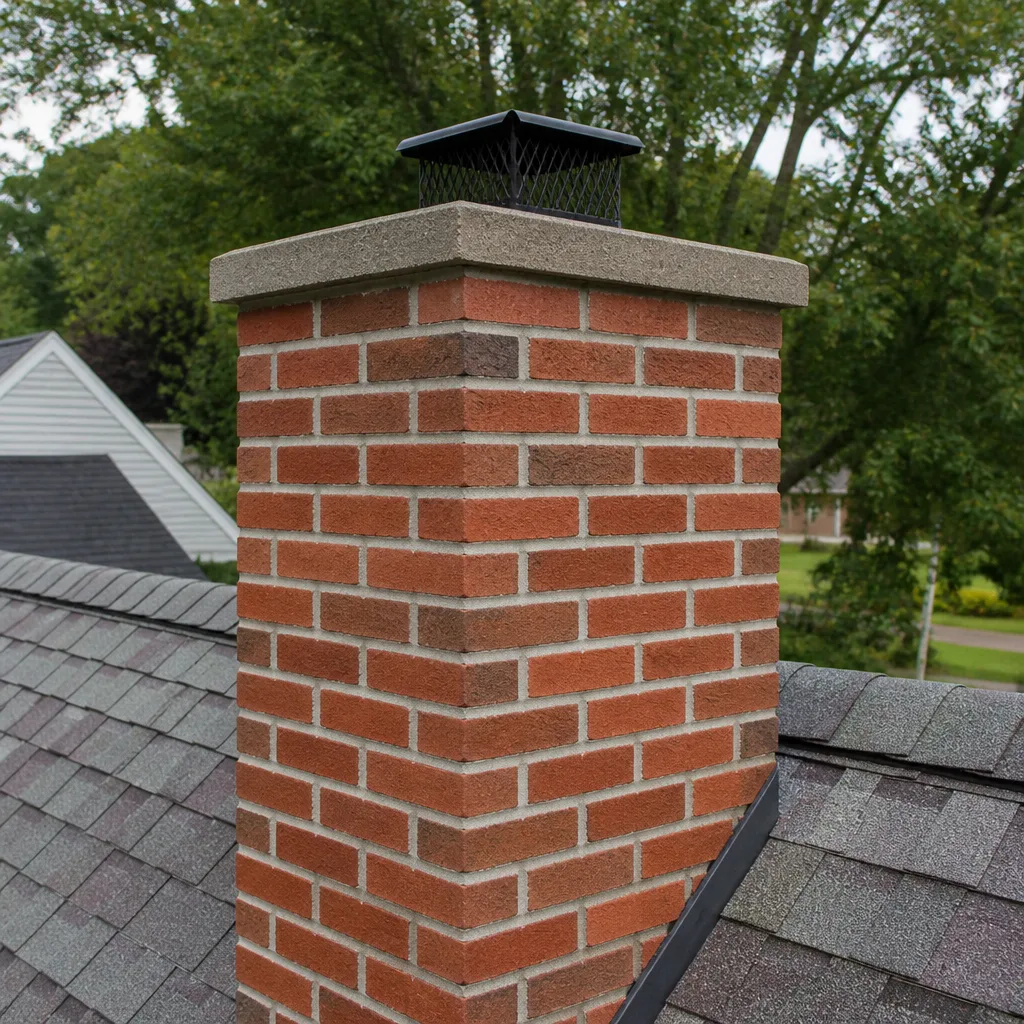
The chimney crown, the concrete cap at the very top, takes more direct sun and wind-driven rain than any other part of the house. Summer heat and regular freeze-thaw in the shoulder seasons crack it, and a cracked crown lets water into the masonry below. Once the interior masonry stays wet, the flue lining and firebox start to fail. The crown is small, cheap to repair when caught early, and expensive to ignore.
The firebox, idle and empty
Even with no fire, water vapor from a damp summer moves through the firebox brick and mortar. Any hairline cracks in the firebox early in the summer can widen by fall. That’s a fire-safety issue, because a cracked firebox can let heat and smoke into the structure of the house.
Post-Winter Tasks That Protect the System Before Rain Starts
Spring rain in northeastern Oklahoma arrives fast and hard, and the chimney is right there in it. The work you do in the weeks after the last fire, before severe weather season sets in, protects the system through the rest of the year. These are the tasks that belong to a professional, and they’re worth scheduling together.
- Sweep the flue. Remove creosote and soot while the residue is soft. This also lets the technician see the flue clearly during inspection.
- Inspect the flue and firebox. Check for cracked tiles, gaps in mortar joints, glazed creosote, and any damage to the firebox brick. A camera inspection gives you pictures, not a sales pitch.
- Seal or repair the crown. Hairline cracks get sealed. Larger cracks or separation from the flue get rebuilt. A crown that channels water away from the flue is the cheapest waterproofing there is.
- Check the flashing at the roof line. Flashing is the metal collar that seals the chimney where it meets the roof. Torn or lifted flashing is a common source of interior ceiling stains in Tulsa. We use Gelco and Copperfield products for flashing and cap work because they hold up to Oklahoma hail and wind better than builder-grade sheet metal.
- Inspect the damper. A damper that doesn’t close all the way lets air-conditioned air escape all summer and lets humid air and pests in. A damper that doesn’t open fully is a smoke problem next winter.
- Look at waterproofing. Masonry chimney exteriors benefit from a breathable water repellent. This is different from sealing the crown. The right product repels rain while letting masonry dry from the inside, which is the correct way to protect brick in a humid climate.
- Cap the flue. If there’s no cap with a screen, this is the spot to install one. A properly sized cap keeps the rain straight down the flue out, blocks pests, and stops sparks from landing on the roof.
None of these are jobs for a general handyman. They’re specific to the chimney, and the components have to fit the flue. That’s the difference between a fix that lasts a season and one that lasts a decade.
Evaluating the Firebox After an Ice Storm
Tulsa sits in a part of the country where an ice storm can arrive, dump a quarter-inch of ice on the roof, and be followed by warm days and then another hard freeze. That cycle of freezing and thawing is rough on masonry, and the firebox feels it as much as anything else in the house. After a significant ice storm, take a look at the firebox before you burn again.
What you’re looking for:
- Spalling. This is when the face of a brick or a patch of mortar flakes off because moisture inside it froze and expanded. Look for loose material at the base of the firebox or on the back wall.
- New cracks. Cracks you didn’t see before the storm, especially in the mortar joints or across the firebrick.
- White streaks. A white, powdery residue on the brick is often efflorescence, which means water is moving through the masonry.
- Dampness. Feel the firebox brick when it hasn’t rained in a couple of days. If it feels damp, moisture is getting in from somewhere.
Spalling and cracking in the firebox are a real fire-safety concern: heat and smoke can pass through a compromised masonry wall. Don’t diagnose this yourself. Have it evaluated. If the firebox has significant damage, the repair may involve relining the flue, resurfacing the firebox, or a combination of both. That’s the kind of work a generalist shouldn’t touch. We use HeatShield on many of these jobs; it’s a professional resurfacing system that lets us restore a firebox or flue lining without a full tear-out, and it’s not a product you’ll find at a hardware store. We also install DuraFlex and Olympia Chimney liner systems when a full reline is needed. The right liner for your flue, installed correctly the first time, is a much cheaper project than repairing fire damage to a house.
Why Fall Is a Service Bottleneck and How to Plan Around It
Every fall, Tulsa homeowners call for a sweep in the week the first cold front comes through. Every sweep in the city is booked weeks out. This isn’t a secret and it doesn’t change year to year. Fall is a bottleneck because that’s when everyone remembers the fireplace exists, and the supply of qualified chimney technicians doesn’t scale up to match the October rush.
Here’s how to plan around it:
- Book your inspection in the spring. The ideal window is when the weather is warm enough for any repairs to be done on the spot. In Tulsa, that means April and May.
- Do a mid-season check if you burn heavily. If you burn fires several times a week through the winter, a second sweep mid-season keeps the creosote layer from building to a dangerous thickness.
- Book any fall service visit early. If you don’t get to spring, call in late summer. Booking in August for a September or October visit is far easier than booking in October for a visit in November.
- Don’t burn un-inspected after a known problem. If you saw a crack, a bird nest, or damage you didn’t get fixed, don’t light the first fire of the season. A chimney fire risk is real, and carbon monoxide is a silent one.
- Have an inspection done if you’ve moved in recently. You don’t know the burning history of a house you just bought in Tulsa. A sweep and inspection is the cheapest insurance you’ll buy this year.
The bottleneck has a second cost: when a technician is squeezed for time, shortcuts happen. A sweep done in a hurry skips the inspection; a repair done in a rush leaves the crown uneven. A spring visit avoids both problems because the schedule is open and the work has time to be done right.
Summer Tasks Homeowners Can Do Without a Ladder
Some of the seasonal care is genuinely yours to handle, and doing it reduces the scope of what a professional has to deal with in the fall. None of these require getting on the roof.
- Keep the firebox clean. Remove ash and leftover wood between seasons. Ash holds moisture and attracts pests.
- Close the damper in summer. A closed damper keeps air-conditioned air inside and humid air, insects, and summer humidity out. If your damper won’t close, that’s a signal to have it looked at.
- Watch for stains and odors inside. A brown stain on the ceiling near the chimney, or a musty or smoky smell in the summer, is worth noting. Those are signs water or an animal is getting in, and both are best caught in summer.
- Keep the roof clear of overhanging branches. Branches and pine needles that fall onto a chimney crown or cap hold moisture against the masonry.
- Check the cap and screen from the ground. You can usually see the chimney cap and spark screen with binoculars from the yard. If a screen is missing or a cap is visibly damaged, note it for the inspection.
- Don’t burn trash, treated lumber, or wrapping paper. These leave chemicals and heavier deposits than seasoned firewood. In summer, resist the temptation to use the fireplace as a disposal chute.
What you shouldn’t do yourself is anything on the roof or anything inside the flue. A crack in the firebox or a damaged flue tile looks the same to an expert and a curious homeowner, and only one of you knows how to interpret it. The same goes for anything that involves climbing a ladder to a chimney top. Height work on a steep Tulsa roof is a fall hazard, and it belongs to a trained technician.
A Year-Round Chimney Calendar for Tulsa Homes
Here’s a calendar to keep the system in shape. It’s built around Tulsa’s actual seasons, not a generic national one. Adjust the dates slightly if the weather runs early or late.
- March to April: last fire, then schedule. After the last fire of the season, book a sweep and inspection. Spring is the open window for scheduling and the best weather for repairs.
- April to May: sweep, inspect, seal. Creosote comes out, the flue and firebox get checked, and the crown and flashing get sealed or repaired before the heaviest spring rains.
- June to August: idle, watch, and protect. Keep the damper closed, keep the firebox clean, watch for interior stains, and get any pest or water problem addressed before it sits another month. If you need a liner or firebox resurfacing, summer is a good time to do the project.
- September: pre-season inspection if you skipped spring. Confirm the flue is clear and the damper works. This is also when to repair any ice-storm or summer-storm damage.
- October to November: first fire, mid-season checks. If you didn’t get a spring visit, this is the fallback. If you did, this is the point where any new issue from a heavy burn season shows up.
- December to February: burn and monitor. Burn dry, seasoned wood, watch for back-drafting smoke, and keep an eye on the firebox. If you burn heavily, schedule a mid-season sweep for late January or February.
This is the rhythm that works for a Tulsa chimney cleaning customer and a first-time homeowner alike. The point is not to book every service every month. It’s to have a plan, so the calendar doesn’t dictate a rushed decision when a cold front is on the way.
Liner and Cap Decisions That Last More Than One Season
The frustrating thing about chimney problems is that the cheap fix is usually a short-term one. A patch on a cracked crown will fail again within a couple of seasons. A hardware-store cap will dent in the first hailstorm. A flue tile that’s cracked will keep letting water in until it’s relined. Long-term care means specifying products that hold up.
Liner systems
A chimney liner protects the masonry from the heat of the fire and keeps smoke and carbon monoxide inside the flue. When the original clay tile liner cracks or gaps at the joints, the correct fix is a new liner. For that, we specify DuraFlex and Olympia Chimney systems. Both are trade-grade products. A stainless-steel liner from a professional supplier, installed by a technician who sizes it correctly for your flue and appliance, is what you want under a wood-burning fire. An undersized or incorrectly connected liner is a carbon monoxide risk and a smoke problem.
Resurfacing instead of replacing
Not every damaged flue needs a full liner. HeatShield is a resurfacing system that restores a liner or firebox from the inside, which can extend the life of the existing system without a tear-out. It’s the kind of product a generalist can’t install and a hardware store doesn’t sell. Not every chimney is a HeatShield candidate, but where it works, it saves the cost and disruption of a full reline.
Caps and flashing
A cap with a screen is one of the highest-value things on the entire chimney. It keeps out rain, birds, squirrels, and sparks. We install caps and covers from Famco and Gelco because those components are built for hail and wind, and because the fit has to be right. A cap that’s undersized or loosely fitted can rattle or blow off. Flashing is a similar story: the right metal, correctly installed, is the difference between a dry attic and a ceiling stain.
When you’re deciding whether to repair or replace, the question to ask is: what does the camera show? A professional inspection with a photo report shows you the exact condition of the flue, firebox, and crown, so you’re deciding based on evidence, not on a technician’s word. We include that with every visit, and we’ll tell you plainly when a repair can safely wait.
Common Mistakes to Avoid
- Sweeping only in fall. Waiting until the first cold front means the flue sits damp and acidic all summer, and the repair work lands in the worst weather of the year. Spring sweeping catches the problem while there’s time to fix it.
- Burning unseasoned wood. Wet firewood produces more creosote and less heat. In Tulsa’s humidity, wood needs to be covered and seasoned for months before it’s ready for the fireplace.
- Assuming a clean screen means a clean flue. The screen at the cap can look fine while the flue tile behind it is cracked. Only a camera inspection confirms the state of the flue.
- Hiring a general handyman for chimney work. Liner sizing, firebox repair, and crown repair are chimney-specific trades. Small mistakes have big consequences, and a generalist’s material sourcing usually doesn’t include trade-grade products.
- Ignoring a cracked crown. It’s a small repair today and a masonry replacement later. The crown is exactly the kind of thing a spring visit catches.
- Lighting a fire after a known problem. If you saw a bird nest, a crack, or a missing cap, don’t burn before it’s fixed. That’s a chimney fire and carbon monoxide risk, both of which are far more expensive than the repair.
- Forgetting the firebox after an ice storm. Spalling and new cracks in the firebox are easy to miss if you never look, and a compromised firebox is not safe to burn in.
See the difference
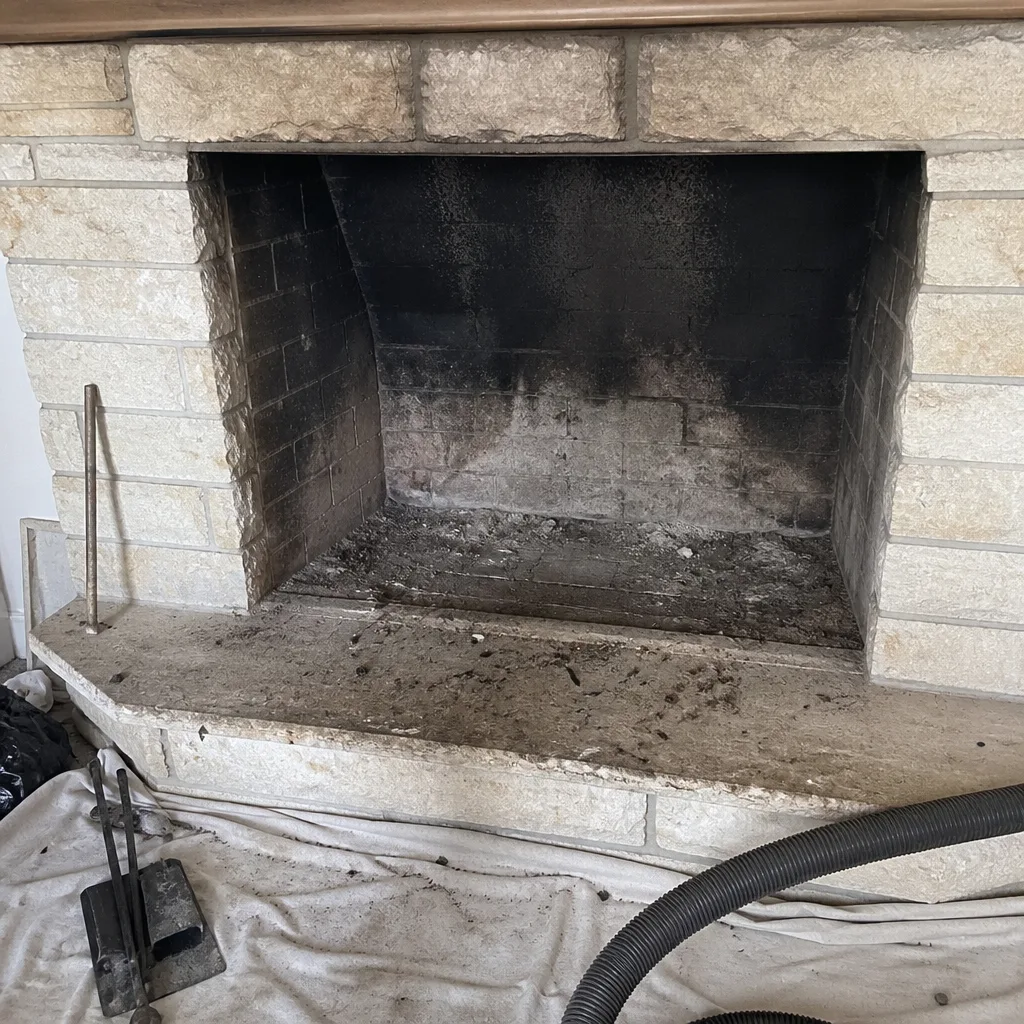 Before
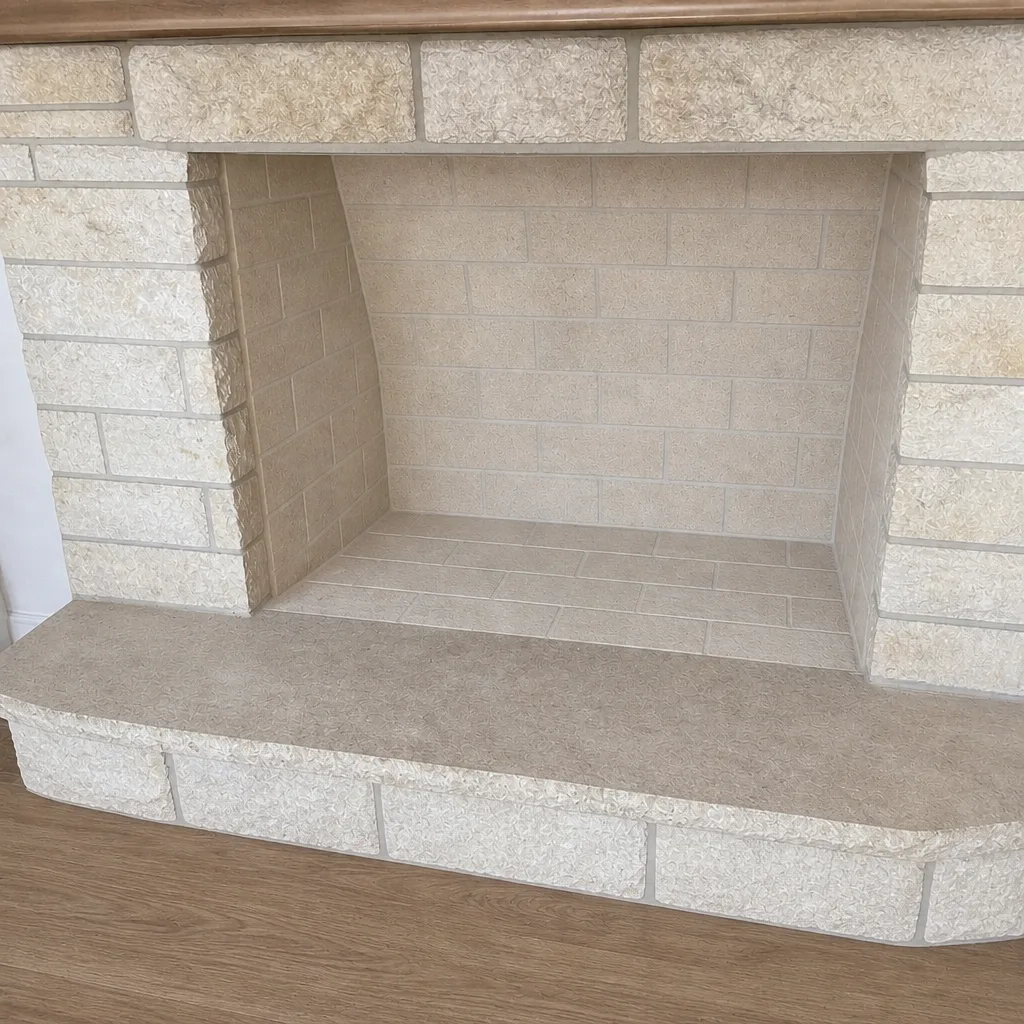 After
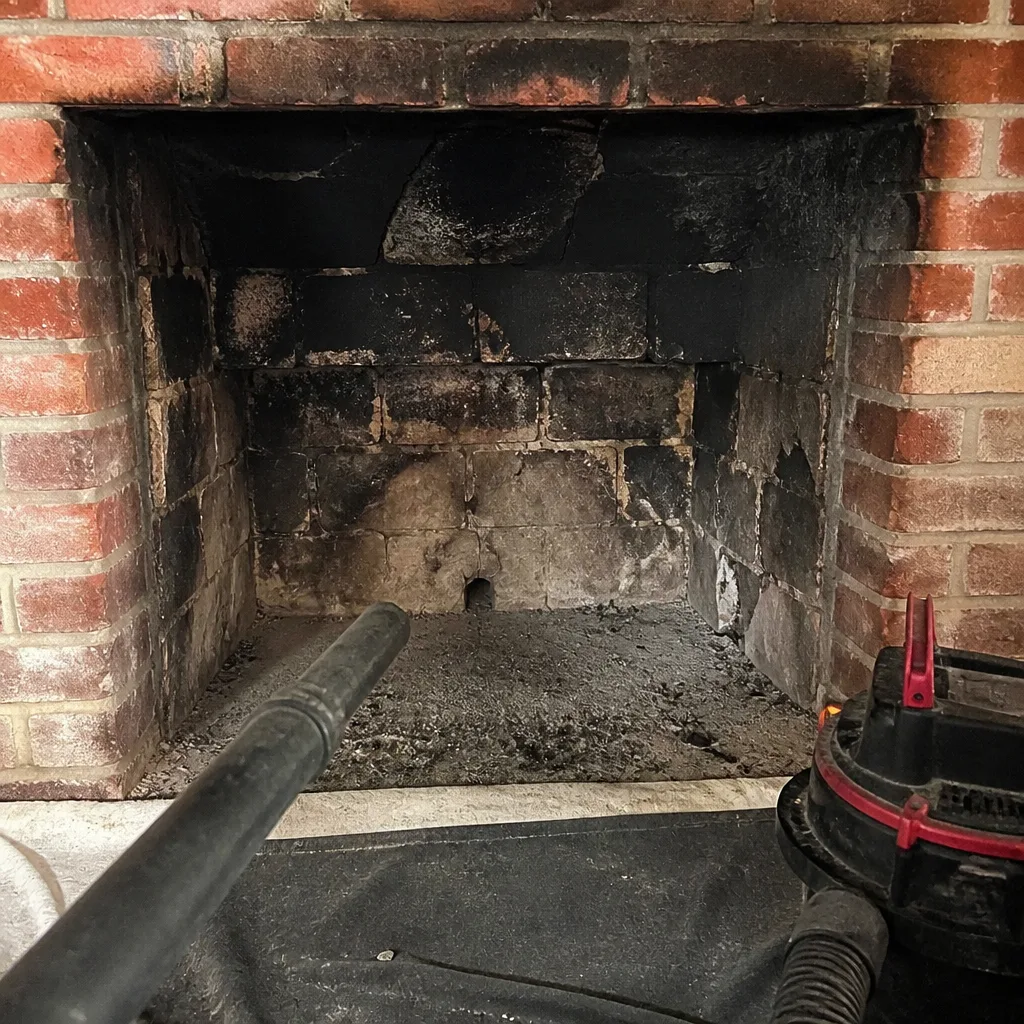 Before
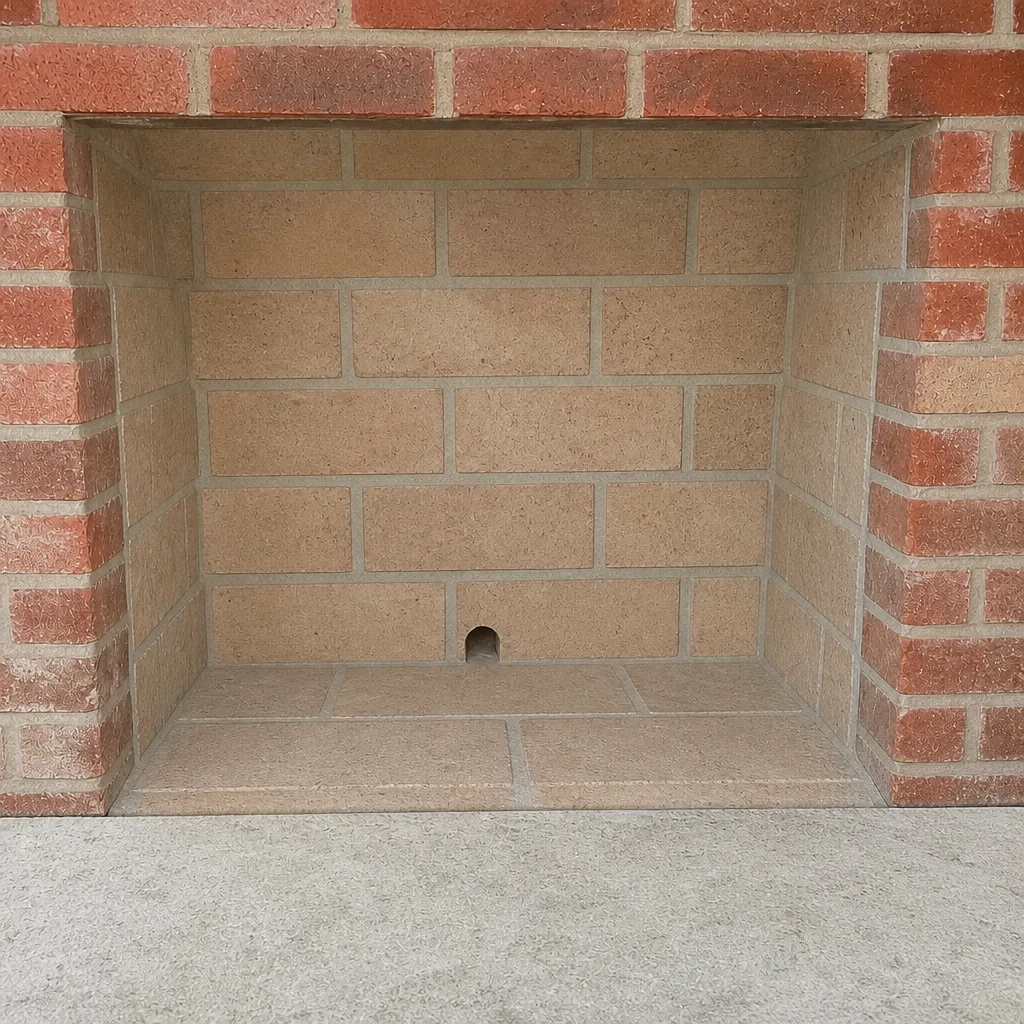 After
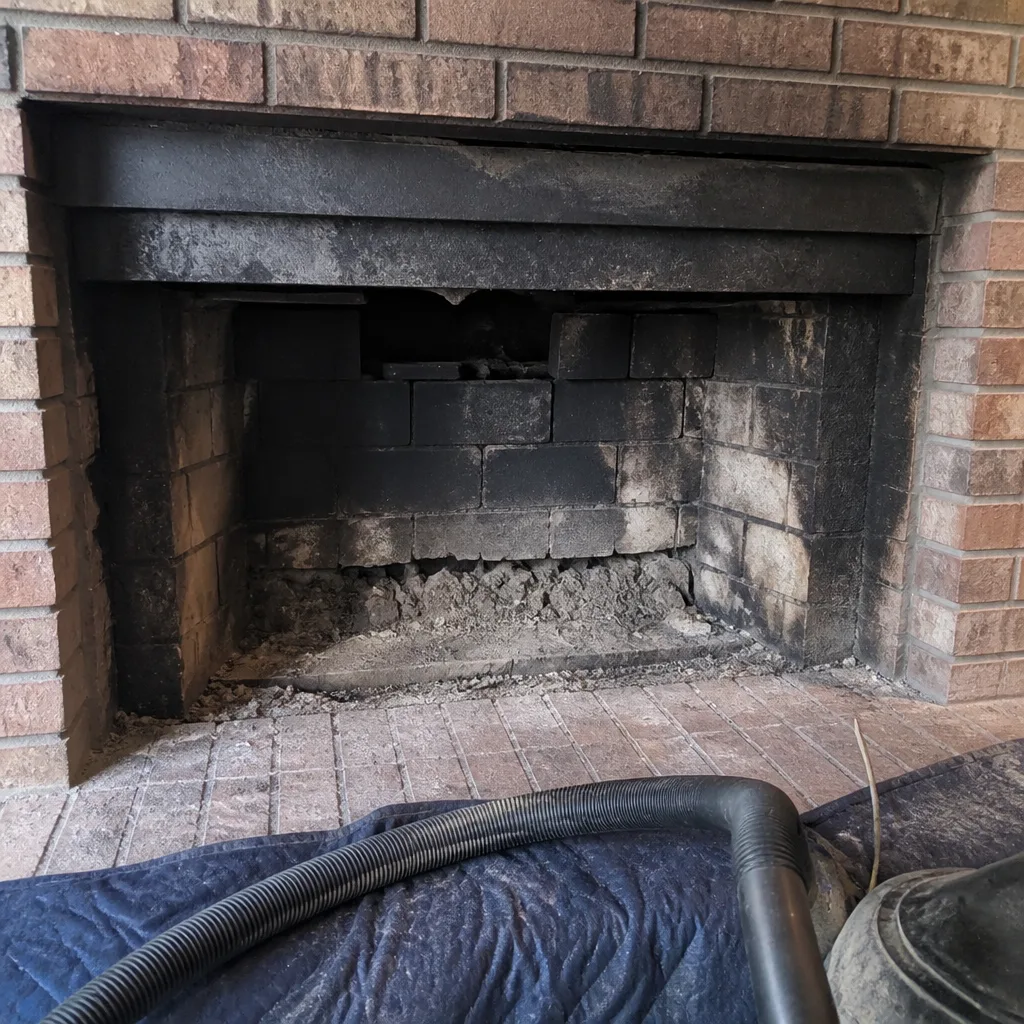 Before
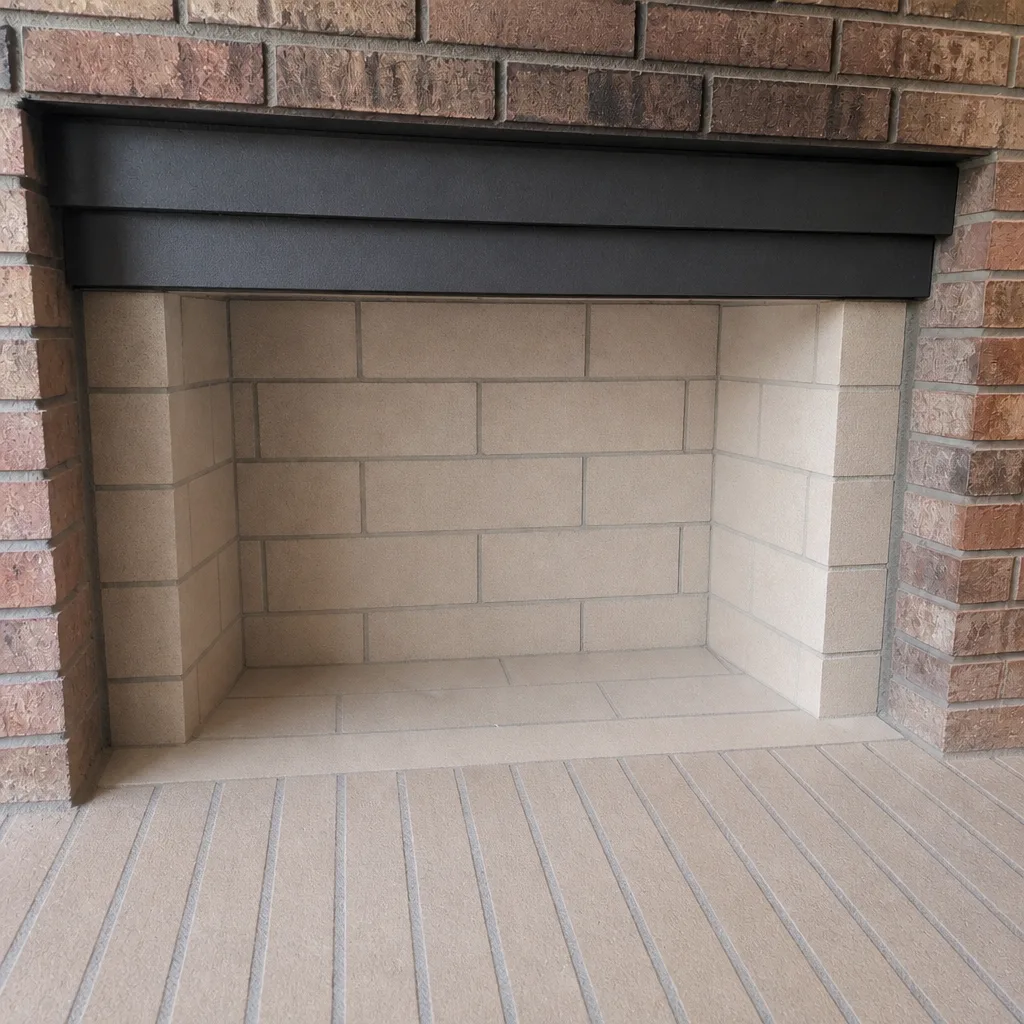 After
When to Call a Professional
Call a professional for anything on the roof or inside the flue. Specifically, call if you’ve burned more than a cord of wood in the last season, if you’ve never had the chimney inspected, if you’ve seen a crack or spalling in the firebox after an ice storm, if there’s a stain on your ceiling near the chimney, if the damper doesn’t open or close smoothly, if smoke is coming back into the room, or if you’re seeing animal activity at the cap. Safe cleaning, diagnosis, and repair live with a trained technician, not a homeowner on a ladder or a general handyman under a tarp.
Tulsa Chimney Cleaning offers free estimates in Tulsa. We sweep, we repair, and we inspect, with the camera evidence to back up every recommendation. Call (833) 712-5506. We answer 24/7. Fast dispatch from 7am to 7pm, Sunday through Friday.
Frequently Asked Questions
Most Tulsa wood-burning chimneys should be swept once a year, and heavier burners should get a mid-season sweep. The annual sweep is the baseline, not a minimum you can skip when life gets busy. Book it in spring right after the last fire. If you burn through the winter, a second visit mid-season keeps creosote from reaching a dangerous thickness. Call (833) 712-5506 for an exact quote; estimates are free.
Spring is better in Tulsa. A spring sweep removes creosote before the humidity of summer pulls moisture into the flue, and it leaves warm, dry weather for any repairs to the crown, flashing, or firebox. Fall cleaning is the fallback, not the ideal. Fall is when every sweep in the city is booked out weeks ahead, and any problem found then has to be fixed in bad weather. Call (833) 712-5506 for an exact quote; estimates are free.
An idle Tulsa chimney accumulates damage from three sources: humidity pulling moisture into soot and masonry, pests nesting in an uncapped flue, and heat and sun cracking the crown. A damper left open lets humid air in all season. Swifts, wasps, and squirrels use an open chimney as shelter and can leave nests and debris behind. A spring inspection and a properly fitted cap prevent most of it. Call (833) 712-5506 for an exact quote; estimates are free.
After a significant ice storm, it’s worth checking the firebox for spalling and new cracks before you burn again. Freeze-thaw cycles can damage firebrick and mortar, and a compromised firebox is a real fire safety concern. A trained technician can tell you in a visit whether the firebox is safe and whether a repair is needed before you use the fireplace again. Call (833) 712-5506 for an exact quote; estimates are free.
Skipping cleaning lets creosote build to the point where it can ignite, and it allows hidden cracks and blockages to go unnoticed. Creosote fires are serious and can spread into the house structure, and carbon monoxide can back up into the living space from a blocked or cracked flue. It also shortens the life of the liner, because moisture and acidic residue stay on the masonry. A sweep and inspection is a small annual cost compared to the repair bill. Call (833) 712-5506 for an exact quote; estimates are free.
No, for anything above the firebox. Chimney work involves height, liner sizing, firebox repair, and crown and flashing work, and it’s a chimney-specific trade, not general handyman work. A general contractor’s materials usually aren’t trade-grade, and small mistakes with a liner or firebox have large consequences. A specialist who sweeps, repairs, and inspects in one visit is the safer choice. Call (833) 712-5506 for an exact quote; estimates are free.
The Bottom Line
The right seasonal rhythm for a Tulsa home is spring-first: sweep and inspect after the last fire, seal the crown and flashing before spring rain, protect the flue from moisture and pests through the summer, and do a pre-season check before the first fire if you skipped the spring visit. The fall bottleneck isn’t avoidable, but you can plan around it by booking early. Test the firebox after any ice storm. Do the safe summer tasks yourself, and leave the roof and the flue to a trained technician. A clean chimney is a working fire-safety system, not a convenience. Sweep it in spring and it will keep working for you all winter.
Written by the team at Tulsa Chimney Cleaning.