
Last updated November 16, 2026
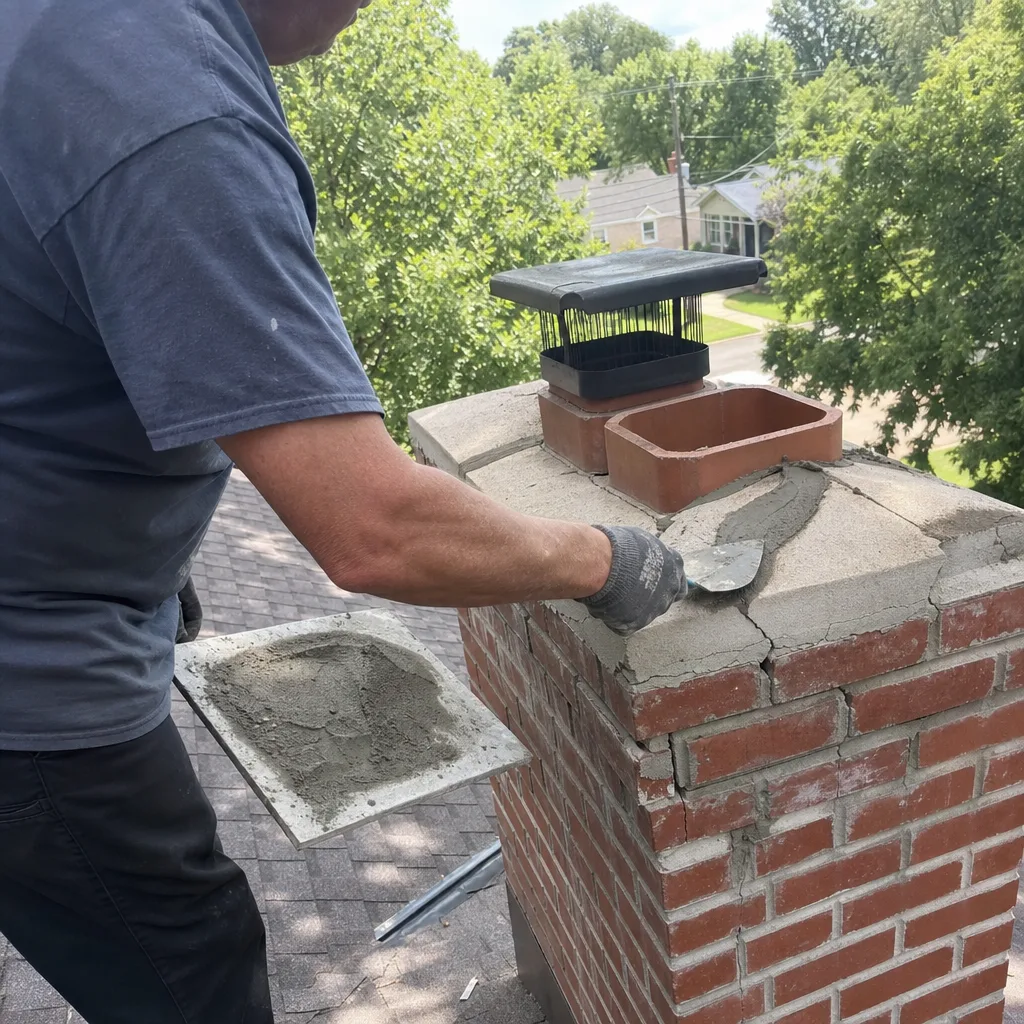
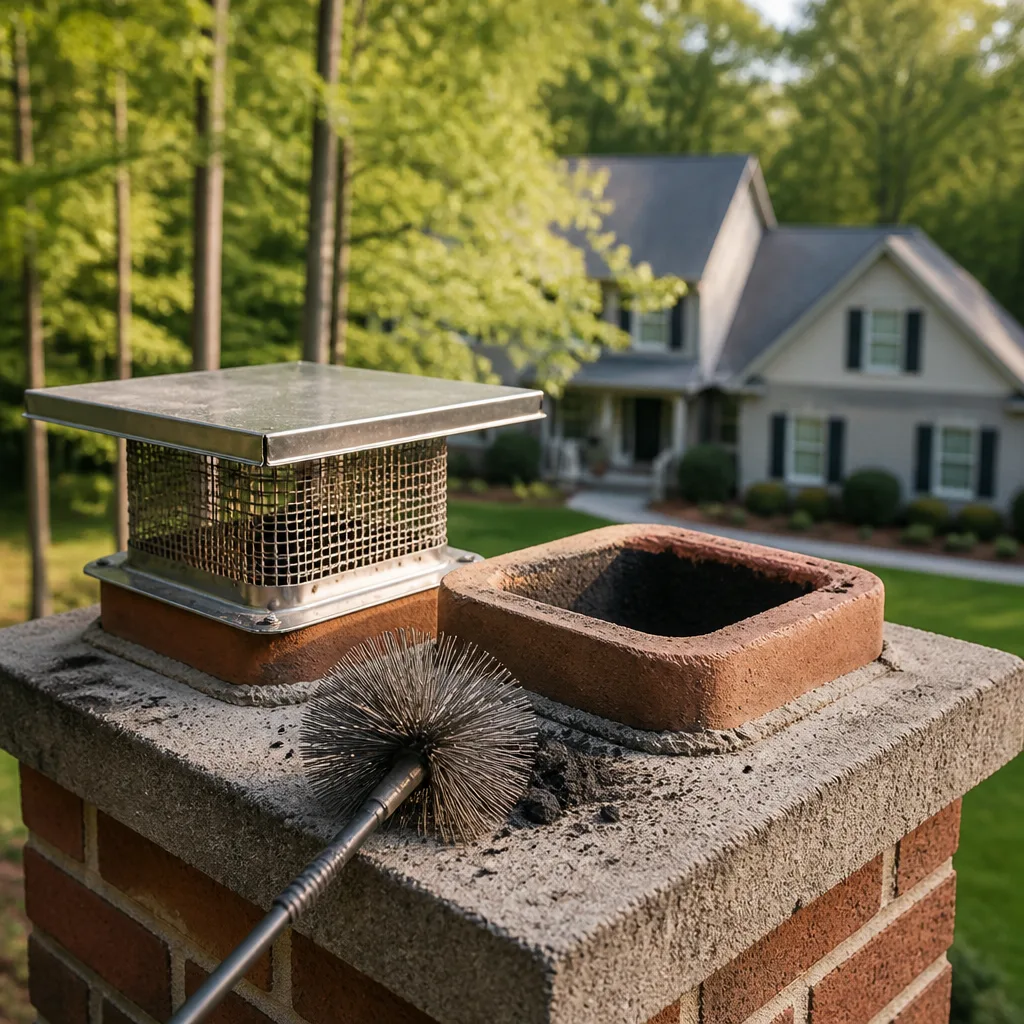 Sweep & inspection
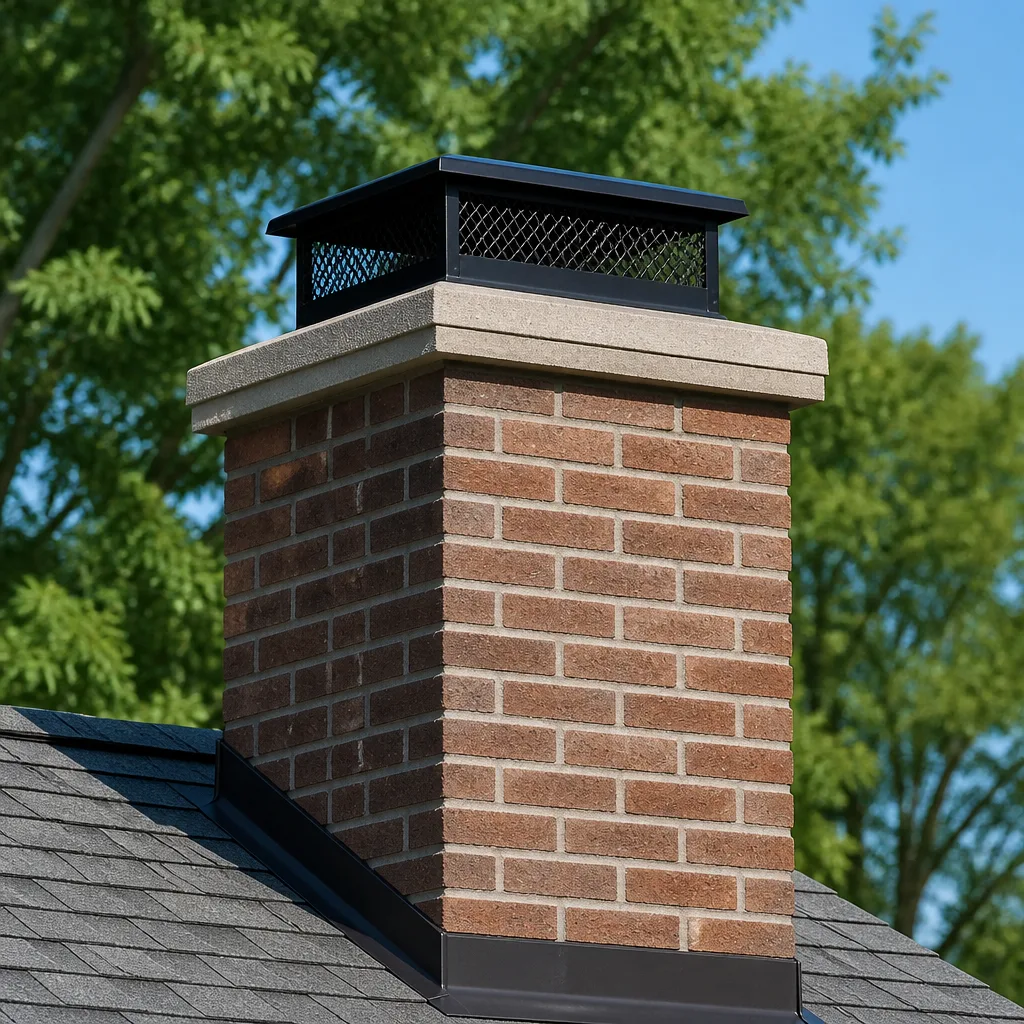 Caps & crowns
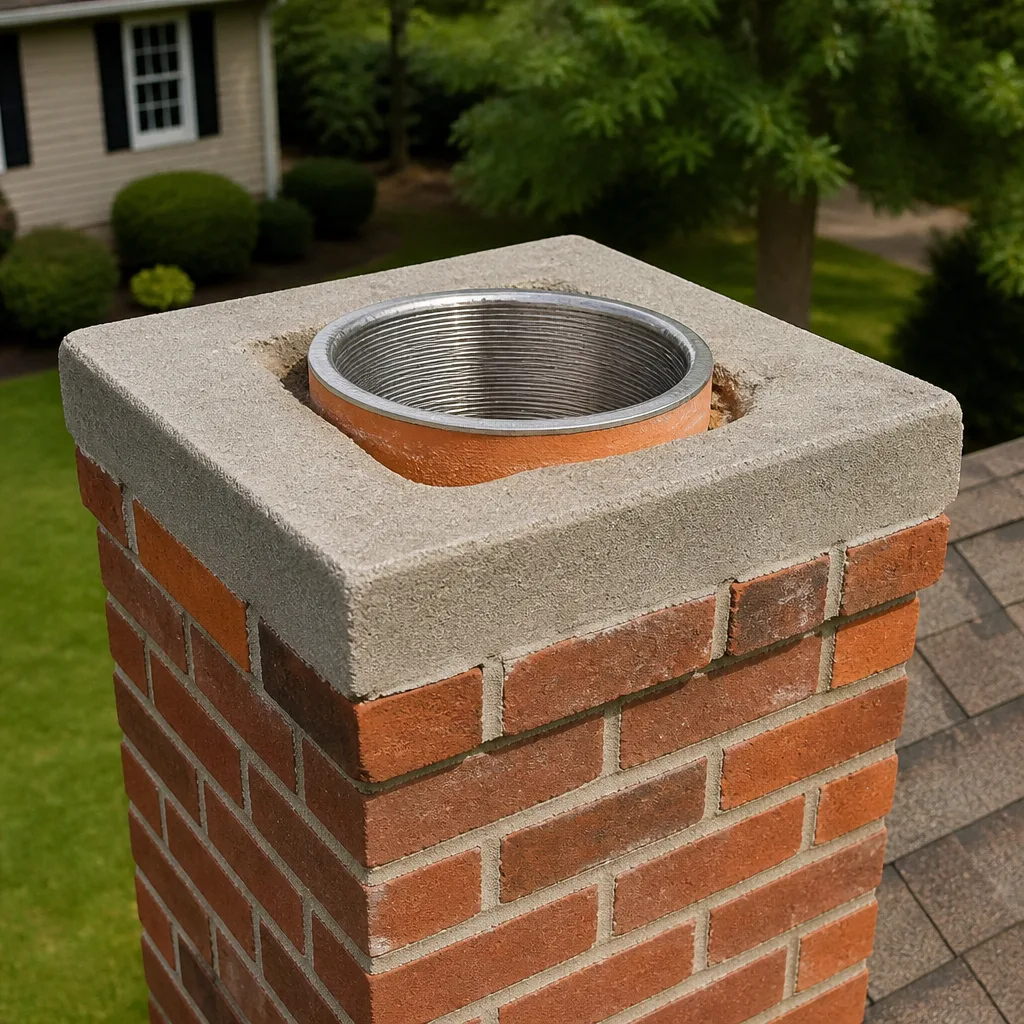 Flue relining
 Masonry repair
 Gas fireplace service
Level 1 sweep and inspection to the NFPA 211 annual standard - flue, crown, cap, and flashing checked and photographed
Chimney sweep logs do not sweep chimneys. They loosen some creosote - which then falls where a brush and vacuum still have to collect it.
Chimney Cleaning Cost Breakdown: The Tulsa Homeowner’s Reference for 2026
A $99 chimney sweep special and a $350 sweep are rarely the same service. One is often a quick visual pass with a shop vac and a flashlight. The other includes a Level 1 inspection, a camera run up the flue, and a written report you can hold onto. The sticker price tells you nothing until you know what’s inside it. Chimney cleaning costs in Tulsa vary by a factor of four or more across contractors, and that spread almost never reflects the same scope of work. This guide breaks down what each line item actually costs in the Tulsa market and why, so you can compare quotes on equal footing and know which add-ons are real and which you can skip.
Quick Answer
A standard chimney sweep in Tulsa typically runs $150 to $300, and a Level 1 inspection is often bundled into that price. A Level 2 camera inspection runs $250 to $500 on its own, minor repairs fall in the $150 to $800 range, and liner replacement typically runs $2,500 to $6,000 depending on liner type, chimney height, and flue condition. The written estimate you receive before work begins is what sets your final price – the ranges here help you read that estimate with clear eyes.
Styles & brands we work with
- Sweep & inspection
- Caps & crowns
- Flue relining
- Masonry repair
- Gas fireplace service
Table of Contents
- Why Chimney Cleaning Prices Vary So Much in Tulsa
- Line-Item Cost Breakdown by Service Type
- How Roof Pitch, Chimney Height, and Travel Time Affect Price
- Level 1 vs. Level 2 Inspections: What You’re Paying For
- Which Add-Ons Are Legitimate and Which You Can Skip
- Professional-Grade Materials vs. Off-Brand Substitutes
- The Real Cost-Per-Year of Deferred Maintenance
- How to Compare Tulsa Chimney Quotes Fairly
Why Chimney Cleaning Prices Vary So Much in Tulsa
Two homes on the same block can get quotes that differ by hundreds of dollars, and both numbers might be fair. The scope is the reason. A sweep is not one thing. It’s a cluster of tasks that can be included, trimmed, or quietly left out, and the price moves with each decision.
Here’s what actually drives the spread:
- What’s included in the base price. A sweep-only visit, a sweep plus a Level 1 inspection, and a sweep with a camera pass and written report are three different products at three different price points.
- Chimney height and roof pitch. A tall flue on a steeply pitched roof takes more time, more ladder work, and more safety care than a short run on a low slope. That time is real and it costs money.
- Access and staging. A chimney that a technician can reach from a level roof is a very different job than one tucked behind a steep gable or a tight side yard.
- Creosote severity. Light soot sweeps out quickly. Glazed, hardened creosote takes more work and more equipment, and it’s the condition that raises fire risk most.
- What the sweep uncovers. A cleaning that reveals a cracked flue tile or a failing crown changes the job from routine maintenance into a repair conversation.
- Local market conditions. Tulsa has a mix of older homes with original masonry and newer builds with factory chimneys, and both need different handling. Contractors who work in both know the difference.
In our experience, the biggest reason two quotes look wildly different is that one is priced for a genuine maintenance visit and the other is priced to get the callback booked. The number alone doesn’t tell you which is which. What’s included does.
One more thing to keep in perspective: a sweep is maintenance, not a luxury. If you burn wood regularly in Tulsa, a genuine annual cleaning and inspection is the baseline that keeps the system working as designed. When you book a chimney sweep, you should be able to ask flat out what’s included before you agree to anything.
Line-Item Cost Breakdown by Service Type
The table below gives typical ranges for Tulsa-area chimney work. Treat these as estimates – your written quote from a provider is what sets the final number, and it can come in above or below these ranges depending on your specific chimney.
| Service | Typical Tulsa Range | What It Covers |
|---|---|---|
| Standard sweep (with Level 1 inspection) | $150 – $300 | Removal of soot and creosote, visual check of accessible components, basic report |
| Level 1 inspection | $100 – $200 | Visual check of readily accessible parts of the chimney and connected appliance |
| Level 2 camera inspection | $250 – $500 | Camera run through the flue, joint and liner assessment, written photo report |
| Minor repair (crown, flashing, mortar, cap) | $150 – $800 | Repointing, cap replacement, flashing repair, small crown fixes |
| HeatShield resurfacing | $1,200 – $3,000 | Restoration of a damaged flue interior to extend liner life without full relining |
| Liner replacement | $2,500 – $6,000 | New stainless liner sized to the flue, installed and sealed |
| Chimney cap installation | $200 – $500 | Weather and animal protection on top of the flue |
| Full exterior masonry rebuild (upper portion) | $5,000 and up | Rebuilding damaged brick or stone above the roofline |
A few notes on reading that table. The sweep and Level 1 inspection are often quoted together because they’re done in the same visit, and that bundled number is the one most homeowners actually see. The Level 2 camera inspection is a separate, more involved step, usually triggered when you’re buying a home, changing the appliance, or after a chimney fire or a known problem. Repairs are quoted individually once the inspection shows what’s wrong, never as a flat add-on.
Liner replacement is the big-ticket item, and it’s also the one that gets the most scare-selling. In our experience, most flues don’t need a new liner on the first visit. When the camera evidence shows a sound liner that just needs resurfacing, HeatShield can often restore the interior and extend its service life without the cost of full replacement. That’s a common, honest middle path.
How Roof Pitch, Chimney Height, and Travel Time Affect Price
These three factors are why two neighbors can get legitimately different quotes for the same “sweep.” None of them is a hidden fee – they’re time, and time is the main cost in a labor-driven trade. A fair quote accounts for them openly.
Chimney height
A taller flue means more brush passes, more ladder time, and more setup. A chimney that runs two stories above the roofline takes meaningfully longer to sweep and inspect than a short one. Some houses in Tulsa’s older neighborhoods have unusually tall stacks, and those take a bit more time and care.
Roof pitch
A steeply pitched roof is slower and more cautious to work on than a low slope. Technicians have to stage safely, and that safety takes time. A steep roof isn’t a problem – it’s a legitimate reason the price reflects the effort. Anything else would be a shortcut you don’t want.
Access and staging
Where the chimney sits on the property matters. A flue that a technician can reach from a level, unobstructed roof is faster to service than one hemmed in by tight side yards, low branches, or a steep drop. This is one reason two visually similar homes can get different numbers.
Travel time
Tulsa is a spread-out city, and a provider on the far side of the metro from your home spends real time getting there. Some contractors build travel into their pricing, others don’t, but it’s honest to account for it rather than pad a different line item. When we quote a job, we’d rather the number reflect the actual trip than surprise you later.
The takeaway: when you compare quotes, ask each provider to break down the visit. If one quote is much lower, ask what it’s leaving out. A short chimney on a flat roof genuinely is a faster job than a tall one on a steep one, so the ranges here are a starting point, not a fixed menu. One reliable cheap sweep done right in Tulsa is worth more than three bargain visits that each skip the inspection.
Level 1 vs. Level 2 Inspections: What You’re Paying For
Not all inspections are the same, and the price gap between them is one of the most misunderstood items on a chimney quote. The two you’ll see most often each answer a different question.
Level 1 inspection
A Level 1 is a visual check of the readily accessible parts of your chimney and the connected wood-burning appliance. It’s the inspection that comes bundled with a routine annual sweep. It looks at what a trained eye can see without tools that need openings or a camera. For a system that’s been maintained and is operating normally, this is often enough, and it’s what most annual visits include.
Level 2 inspection
A Level 2 adds a camera run through the flue to look at parts you can’t see from the outside or through the firebox opening. This is the more thorough check, and it’s the right call in a few situations:
- You’re buying or selling a home. A Level 2 gives you and the other party a camera-based picture of the flue before money changes hands.
- You’ve changed appliances, switched fuels, or made changes to the chimney system itself.
- There’s been a chimney fire, a known problem, or an event that could have damaged the flue.
- You’ve just moved into a house and don’t know the chimney’s history.
- The chimney is newer or the flue construction is unusual and you want a baseline on record.
The camera pass is the reason a Level 2 costs more, and it’s also the reason it’s worth it. In our experience, the repair recommendations with the most homebuyer-anxiety attached – “you need a new liner” – are exactly the ones that should be backed by camera evidence you can see yourself. If a provider recommends major liner work without showing you the interior on camera or in photos, ask for it. A provider with nothing to hide will give it to you.
The same goes for structural repair. When the camera shows a problem with the flue or crown, that’s the point to bring in chimney repair expertise rather than patching over it.
Which Add-Ons Are Legitimate and Which You Can Skip
The add-on menu is where chimney quotes get slippery. Some extras are genuinely good maintenance. Others pad the bill for no reason on a system that’s in good shape. Here’s how to tell them apart.
Add-ons worth considering
- A chimney cap. Caps keep rain, animals, and debris out of the flue. If your chimney is missing one or it’s damaged, a cap is a real, practical improvement rather than a bait item. We install Gelco and Famco caps and covers, the kind of commercial-quality components that hold up over time.
- Flashings and crown repair. The crown and the flashing at the roofline are where water gets in. Small repairs here are cheap insurance compared to what water intrusion does over time.
- HeatShield resurfacing. When a camera pass shows a rough or mildly damaged flue interior but a sound overall structure, resurfacing can extend liner life without the cost of a full relining. It’s not for every flue, but it’s an honest middle option worth asking about.
Add-ons to question
- A “full system rebuild” quoted before any inspection. Nobody can price a rebuild before they’ve seen the inside of the flue. A rebuild quote that doesn’t follow a proper inspection is a red flag.
- Chemical creosote treatments on a routine sweep. If your chimney burned normally and the sweep reveals only light deposits, a chemical treatment add-on is often unnecessary. Severely glazed creosote is a different story, but that should be identified honestly first.
- Premature liner replacement. A new liner is a real solution when the flue is actually compromised – and a real upsell when it isn’t. Camera evidence distinguishes the two, and you should see it.
- Non-essential “tune-ups.” Anything with a name that sounds impressive but that the technician can’t clearly explain the purpose of is worth a direct question.
The rule of thumb: nothing gets recommended without evidence you can see for yourself, and a good provider will tell you plainly when something can safely wait. That’s the difference between a maintenance visit and a sales visit.
Professional-Grade Materials vs. Off-Brand Substitutes
When a repair or a relining comes up, the materials matter as much as the labor. This is where the cost of a job is decided in ways you can’t see once it’s installed, and it’s a big part of why “the same job” can get two very different quotes.
Liner systems are a good example. We specify DuraFlex and Olympia Chimney liner systems because those are what the trade uses for technically demanding relining work. They’re sized and installed to fit the specific flue, not trimmed from a generic stock kit to get closest. On a system that has to carry combustion gases out of your home safely for the long term, “closest” is not good enough.
Resurfacing is another. HeatShield is a professional-grade restoration system, and it’s not the sort of thing that turns up in a general hardware channel. It lets a technician restore a flue interior to extend liner life rather than jumping straight to full replacement. Off-brand substitutes exist, and they’re cheaper, but the whole point of resurfacing is that it has to last. Cutting corners there defeats the purpose of doing it at all.
Caps and flashing components tell the same story. Gelco and Famco components are commercial-quality weather protection. Generic hardware-store caps are cheaper and they outlast their guarantee far less gracefully, especially in an Oklahoma climate that swings from summer heat to winter freeze. The professional-grade parts cost more up front because they’re built for longevity.
Trade-level sourcing is not a branding exercise. It’s how you avoid a job that needs redoing in three years. When a quote for the same repair comes in suspiciously low, ask what materials are specified. The answer usually explains the gap.
The Real Cost-Per-Year of Deferred Maintenance
The cheapest chimney is the one you maintain on a schedule. Deferred maintenance is a math problem with a slow-moving penalty, and it’s worth doing the arithmetic before you skip a year, especially if you burn wood regularly through a Tulsa winter.
Here’s how the cost-per-year comparison usually plays out:
- On a regular cycle. An annual sweep and inspection at the maintenance end of the range is a predictable, contained yearly cost. Most of the time, that’s the entire cost – the inspection comes back clean and you’re done.
- Skipping a year or two. The savings look real at first. Then creosote accumulates, a hidden crack goes unnoticed, and the first indication is often a repair quote that dwarfs what two or three maintenance visits would have cost. The math almost always favors the schedule.
- Running a repair too long. A minor crown or flashing issue that gets ignored becomes water intrusion, then a masonry problem, then a large bill. The cheapest repair is the one done at the minor stage, and the inspection is what catches it there.
The same logic applies to efficiency. A clean flue draws properly and burns the way the appliance is designed to. A clogged one burns inefficiently and deposits more creosote, which is both a cost and a fire risk. Fire risk is not a scare tactic here – it’s the plain reason the annual cycle exists. Creosote buildup is the fuel that chimney fires feed on, and carbon monoxide is a real concern when a flue stops venting properly. Those are the reasons a working fire-safety system gets checked, not sales pitch.
In our experience, homeowners who’ve had a chimney fire or a carbon monoxide scare don’t need convincing about the schedule. The ones we’d most like to reach are the ones who’ve been lucky so far and think of it as a someday-errand. The schedule pays for itself, slowly and quietly.
How to Compare Tulsa Chimney Quotes Fairly
Quotes are only comparable if they cover the same scope. Here’s a short walkthrough for evaluating them the way a technician would.
- Get the scope in writing. Ask each provider whether the quote includes a sweep, a Level 1 inspection, and a written report. If the price is low, check what’s missing.
- Ask about camera. Confirm whether a camera pass is included or available, and whether you’ll get photos or a report of what it shows.
- Check the material spec. For any repair or relining quote, ask which system is being used – DuraFlex, Olympia Chimney, HeatShield, Gelco, or Famco, or an off-brand equivalent. Compare like with like.
- Insist on camera evidence for any big-ticket recommendation. A new liner or a rebuild is a major expense. You should see the evidence behind it yourself, not just be told.
- Ask what can wait. A provider who admits when something is cosmetic or can be monitored is telling you your long-term relationship matters more than the current ticket.
- Book with a chimney specialist. A generalist handyman service is fine for many home tasks, but the flue, liner, and fire-safety system are their own trade. Sweep, repair, and inspect work belongs with someone who does it as their core expertise.
At Tulsa Chimney Cleaning, we focus on the full cycle – sweep, repair, and inspect – from one specialist, with professional-grade materials and a written estimate that sets the final price before work begins. Nothing gets recommended without evidence you can see for yourself.
Common Mistakes to Avoid
- Buying on price alone. A bargain sweep that skips the inspection isn’t a savings, it’s a gap in your safety record. Compare what’s included, not just the number.
- Skipping the annual inspection because the chimney “seems fine.” Most of what matters is invisible from the living room. The inspection is exactly how you find the problems before they get expensive.
- Accepting a liner replacement quote without camera evidence. If a provider recommends a new liner but can’t or won’t show you the flue interior, get a second opinion. It’s your money and your home.
- Letting a missing or damaged cap go. No cap means rain and animals can get into the flue, and a small fix later beats the water-damage repairs that follow. It’s one of the most cost-effective add-ons there is.
- Assuming a general handyman can handle the flue. Chimney work is a trade with its own materials, methods, and safety concerns. A generalist doing surface work is not the same as a chimney specialist.
- Waiting until winter to book. Most chimney problems get noticed the first time someone lights a fire. Scheduling maintenance before burning season gives you time to deal with whatever the inspection finds without pressure.
- Ignoring the material spec on a repair. A cheap repair using off-brand components can look identical to a professional-grade one on the day it’s done. It won’t be identical a few years later.
See the difference
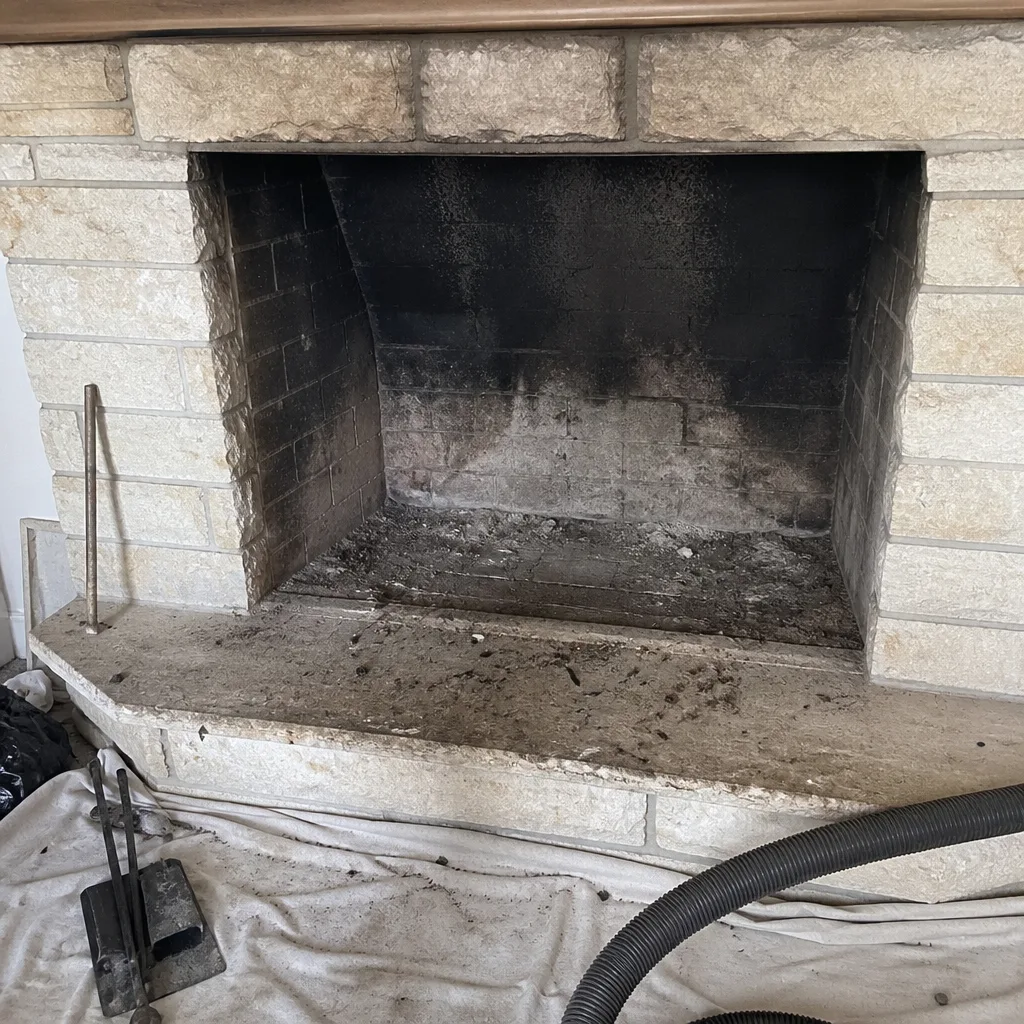 Before
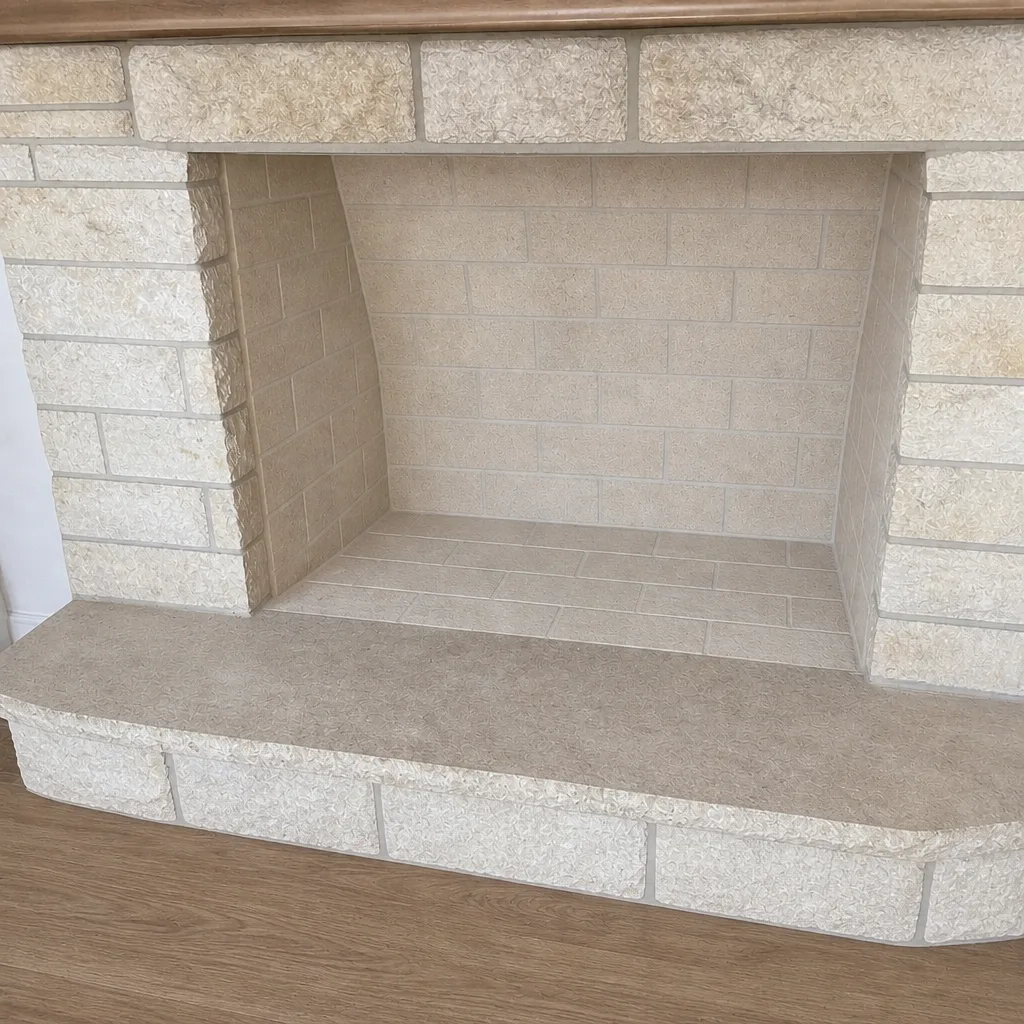 After
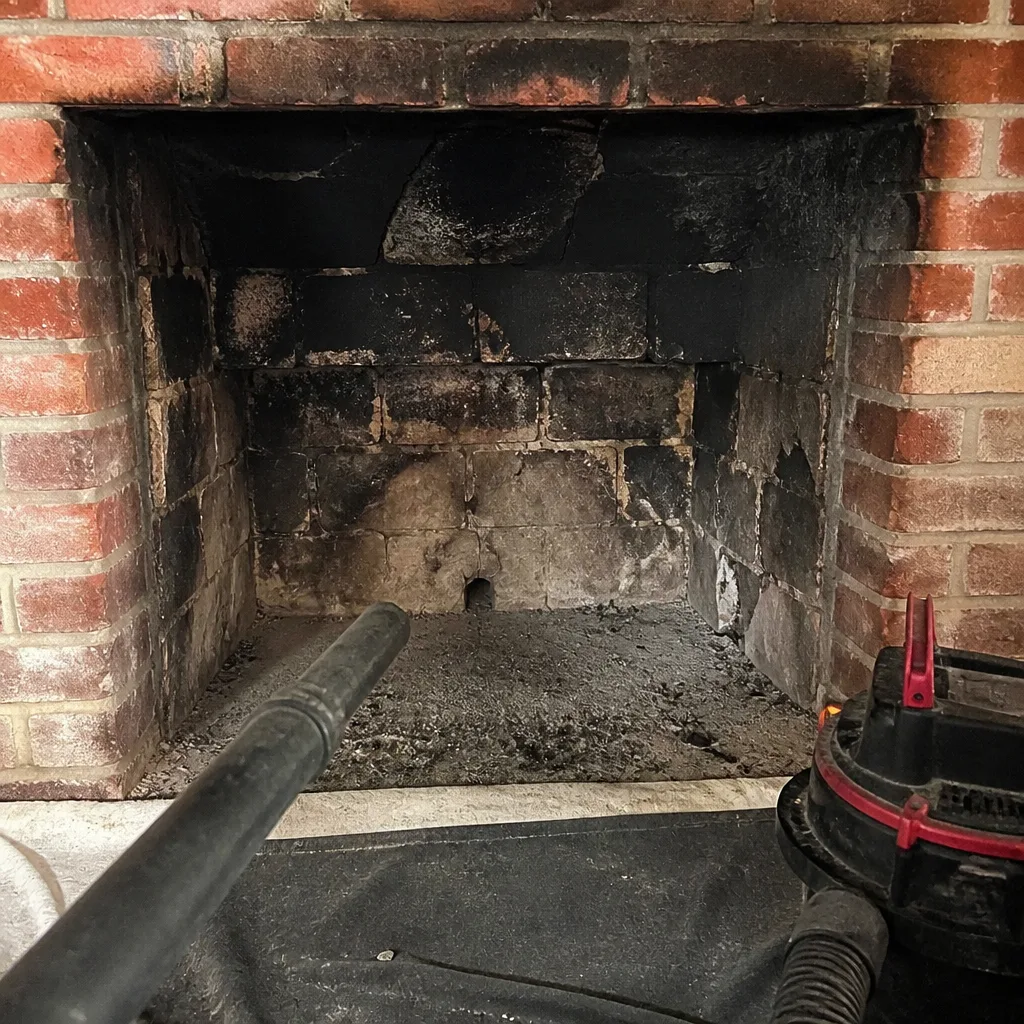 Before
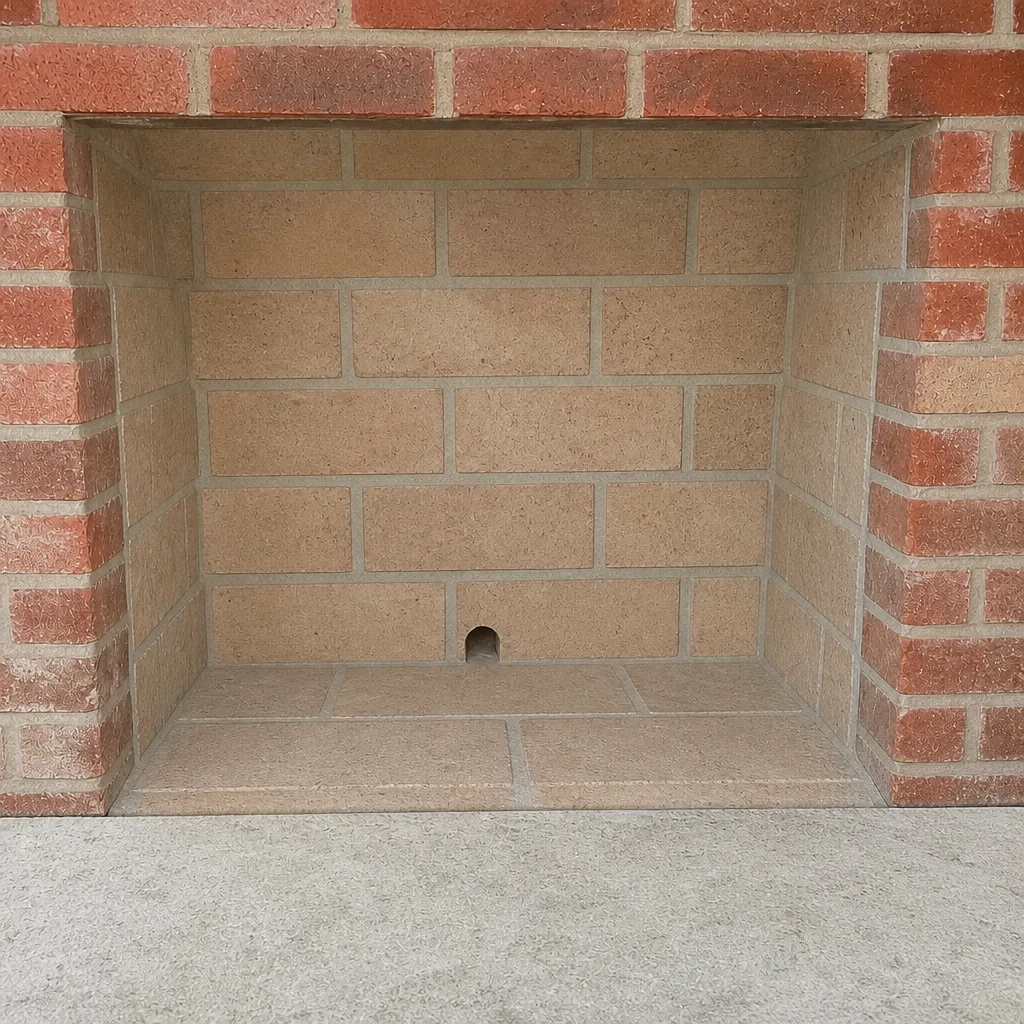 After
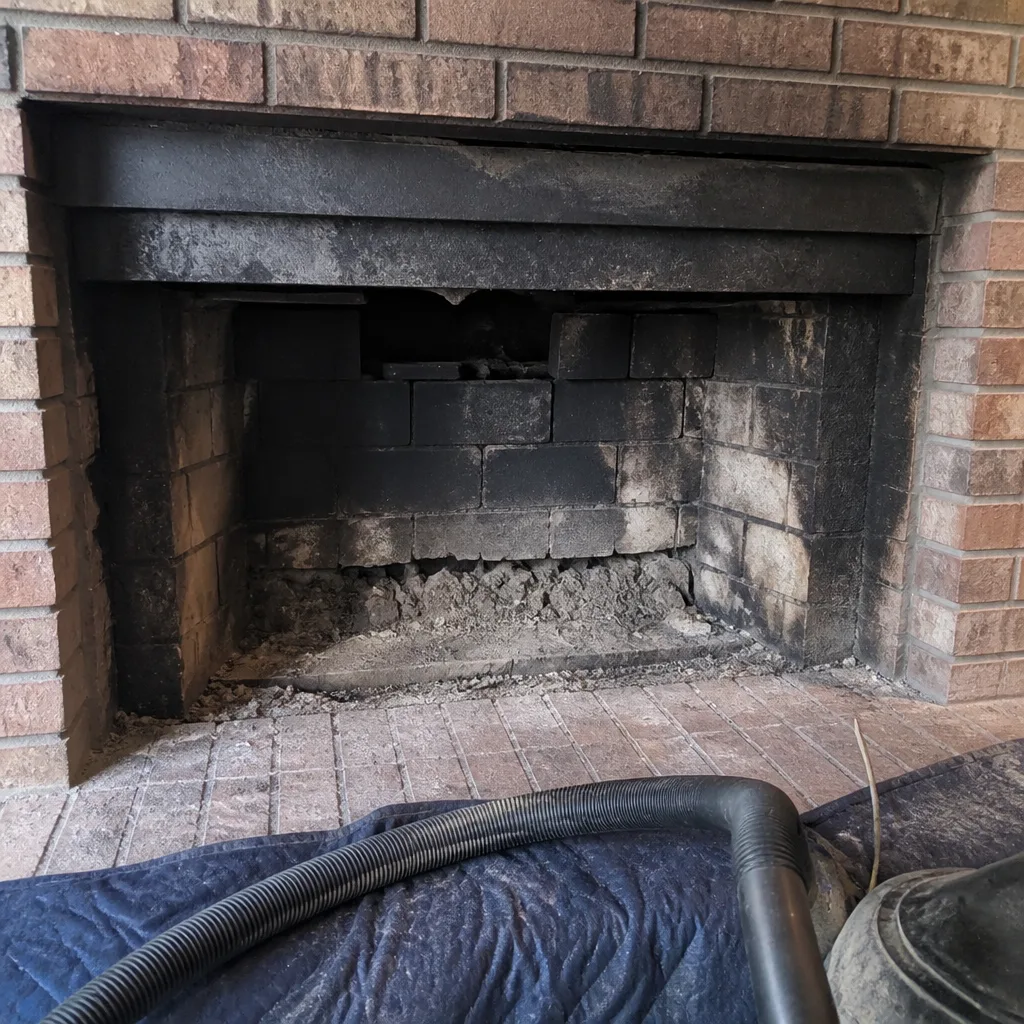 Before
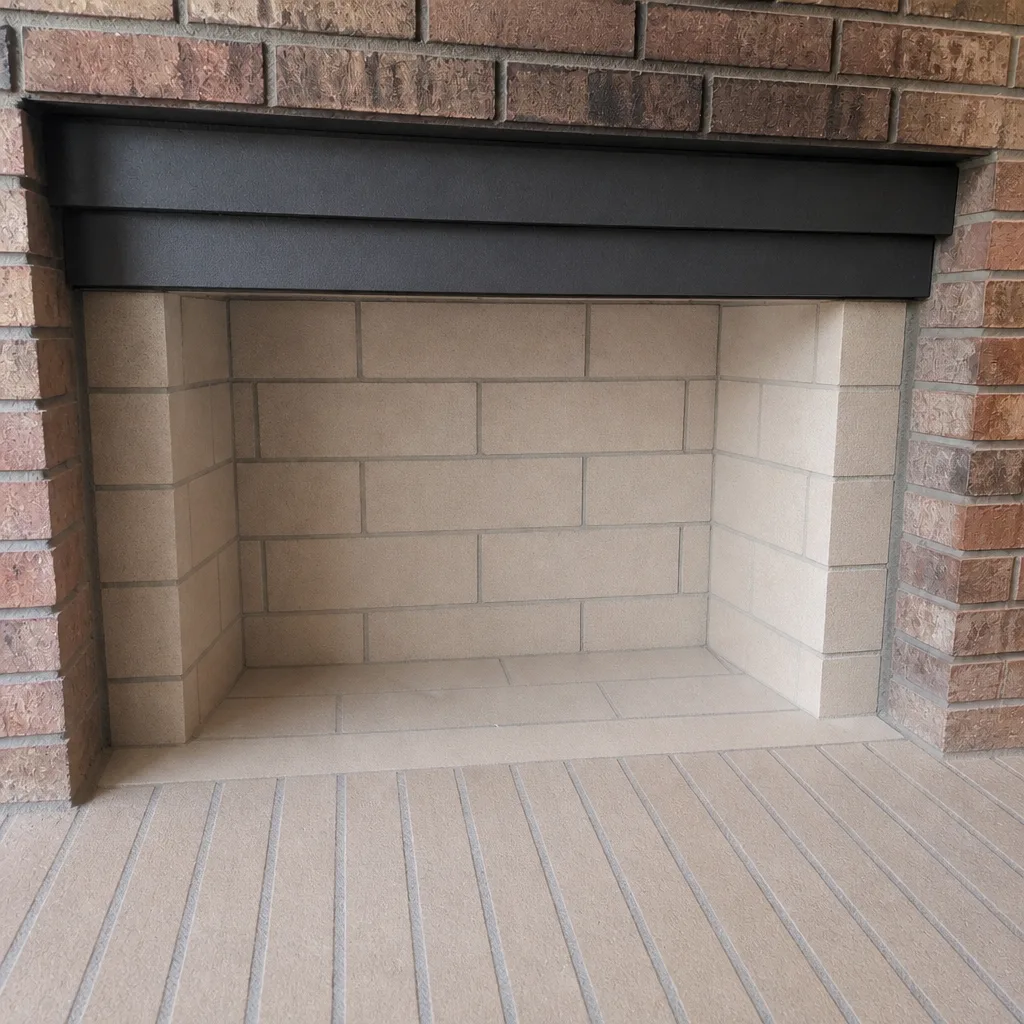 After
When to Call a Professional
Some chimney conditions are safe to monitor and some you should act on now. Call a trained professional if you burn wood regularly and haven’t had a sweep this year; if you’ve had a chimney fire, however small; if you smell smoke in the house when the fireplace isn’t lit; if you notice crumbling mortar, loose bricks, or cracked flue tiles; or if you’re buying a home and want a camera inspection before closing. If you’ve just moved in and don’t know the chimney’s history, that’s a call worth making too. These are jobs for someone whose core expertise is the flue, not a general handyman. Tulsa Chimney Cleaning offers free estimates in Tulsa – call (833) 712-5506. We answer 24/7. Fast dispatch from 7am to 7pm, Sunday through Friday.
Frequently Asked Questions
A standard chimney sweep in Tulsa typically runs $150 to $300, and that price usually includes a Level 1 inspection. Your written estimate from a provider sets the final number. Call (833) 712-5506 for an exact quote – estimates are free.
Not always – a new liner is genuinely necessary only when the flue is compromised, and that should be backed by camera evidence you can see yourself. If a provider recommends relining without showing you the interior on camera or in photos, ask for it. HeatShield resurfacing can sometimes extend liner life without full replacement. Call (833) 712-5506 for a straight answer based on what’s actually there.
Once a year is the standard cycle for a home that burns wood regularly, ideally before burning season. If you burn less often, a provider can advise based on what the sweep and inspection show. Call (833) 712-5506 to book a sweep and set a schedule.
Creosote builds up on the flue walls, and that’s the fuel a chimney fire feeds on. It also reduces draw and efficiency, which causes more creosote to form next season. Carbon monoxide venting properly is a real concern when a flue is obstructed. Call (833) 712-5506 before the next fire – a clean flue is the baseline.
Because it’s usually not the same job – one quote often includes a sweep, Level 1 inspection, and written report while the other is sweep-only. Get the scope in writing and ask about the camera pass before comparing numbers. Call (833) 712-5506 for a quote with an itemized scope.
A Level 2 camera inspection is the right call when you’re buying a home, because it shows the flue interior before you commit to anything. It typically runs $250 to $500 and gives you camera-based evidence you can keep on record. Call (833) 712-5506 to schedule one before closing.
The Bottom Line
Chimney cleaning prices in Tulsa vary widely because the scope varies widely, and the only way to compare quotes fairly is to compare what’s included. A sweep with a Level 1 inspection is one product; a camera-backed report with a written record is another. Repairs and relining should always follow camera evidence you can see for yourself, and professional-grade materials like DuraFlex, Olympia Chimney, and HeatShield matter most on the jobs you can’t see afterward. Regular maintenance is the cheapest path. A clean chimney isn’t just comfort – it’s a working fire-safety system, and the annual cycle keeps it that way.
Written by the team at Tulsa Chimney Cleaning.