
Last updated November 16, 2026
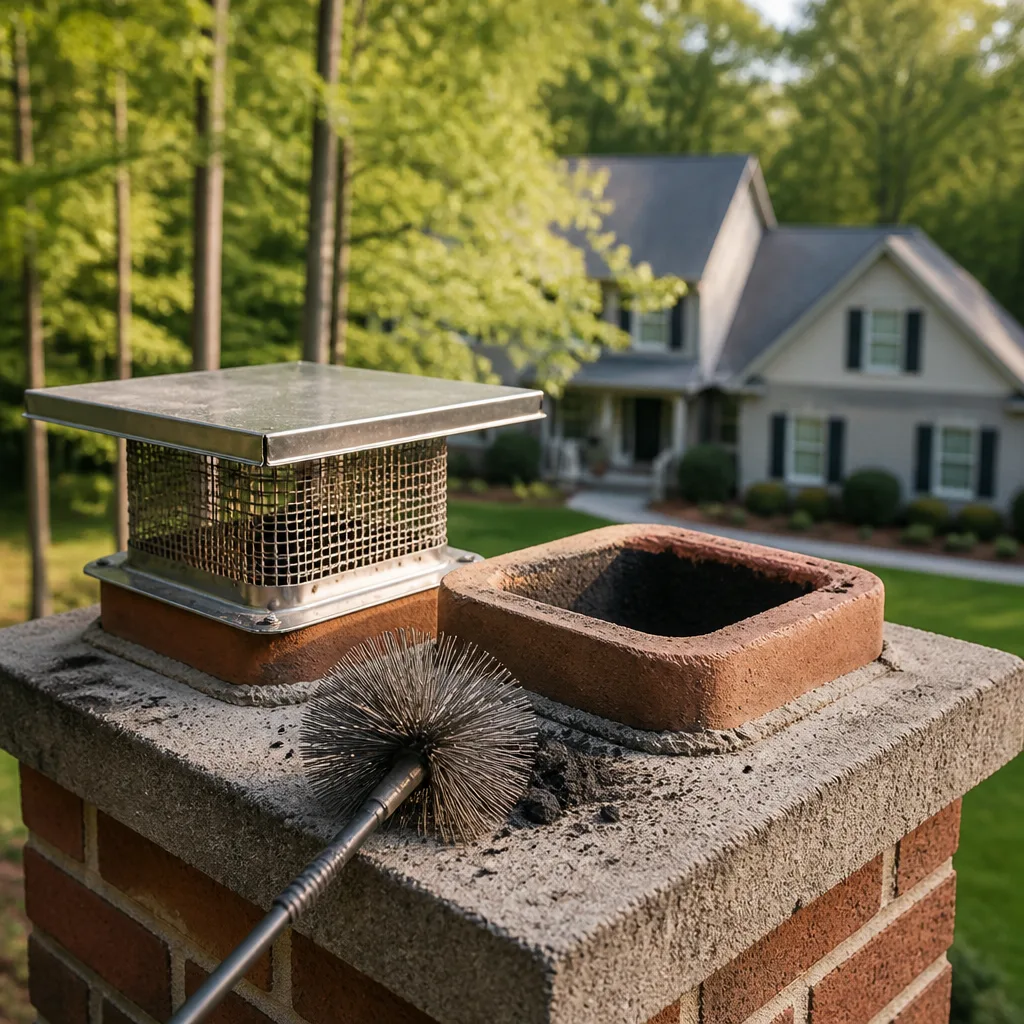 Sweep & inspection
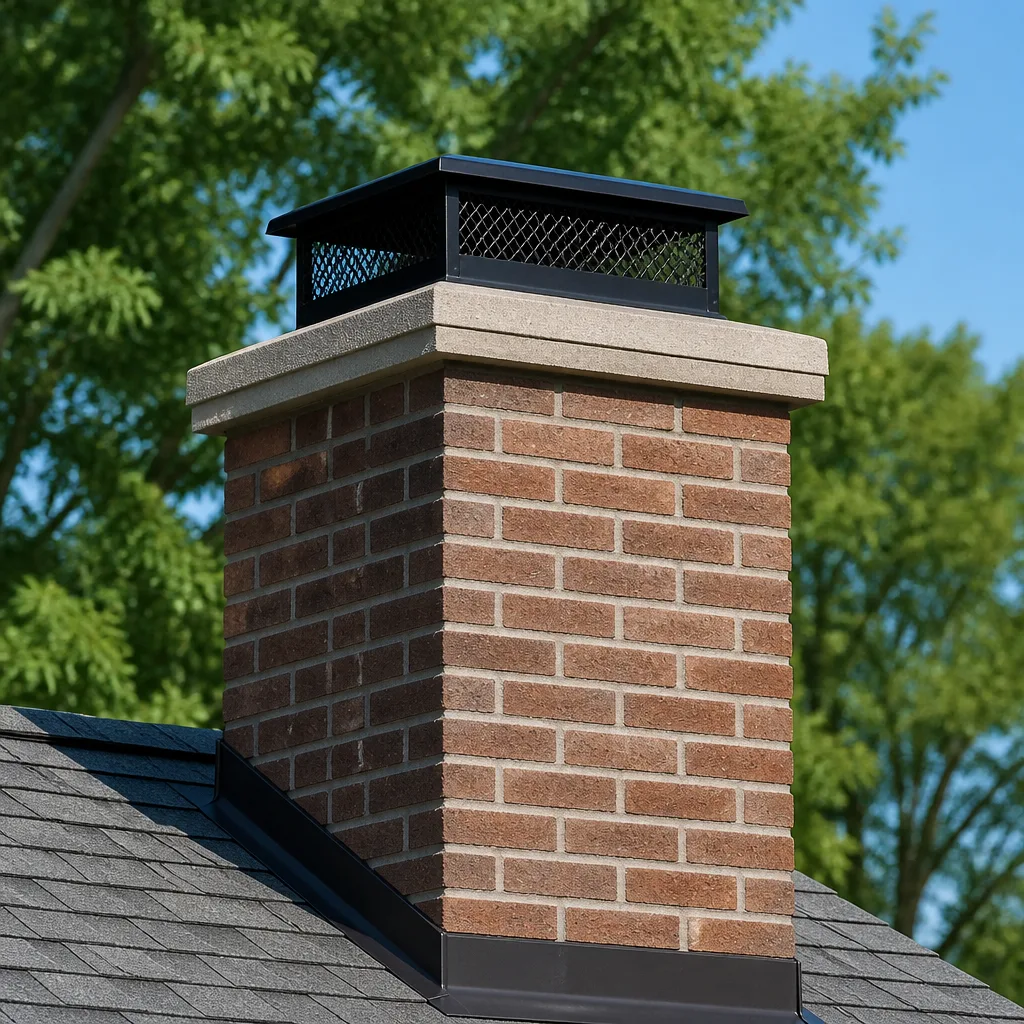 Caps & crowns
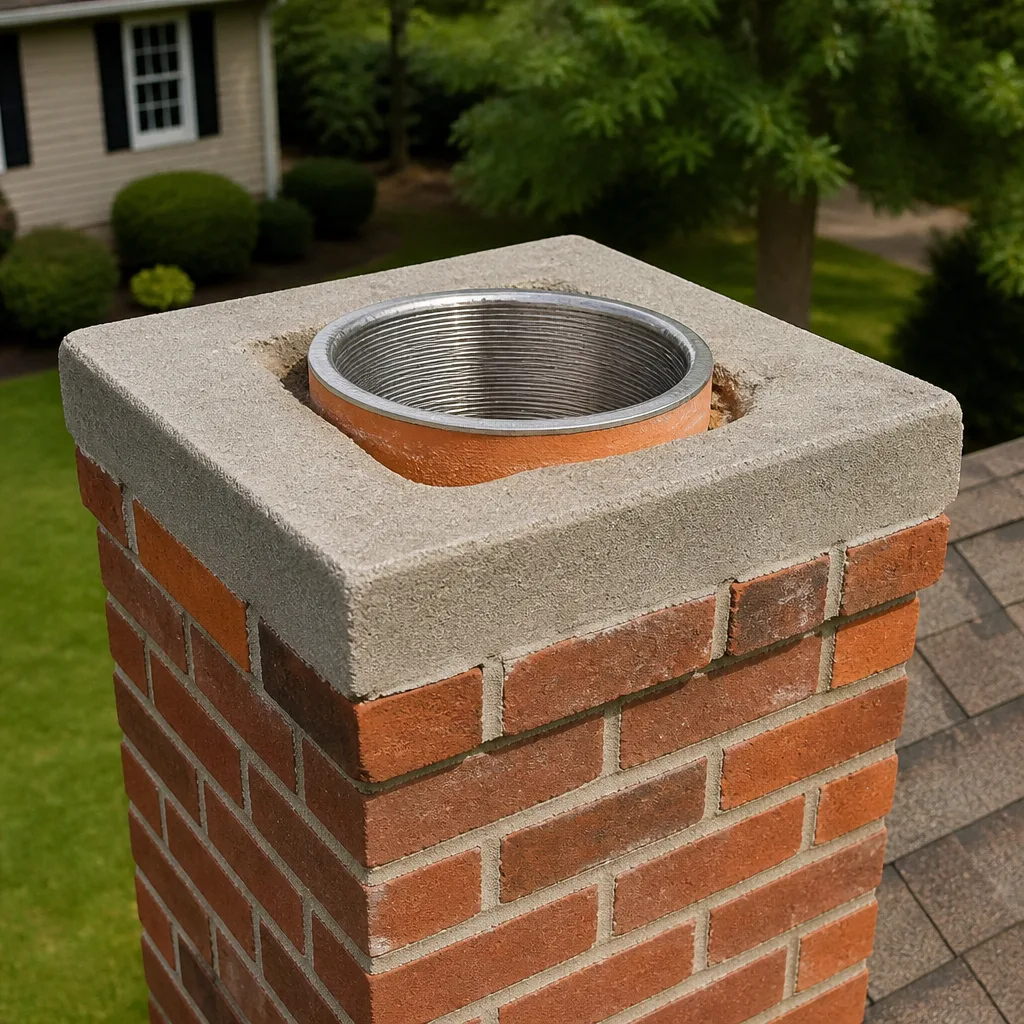 Flue relining
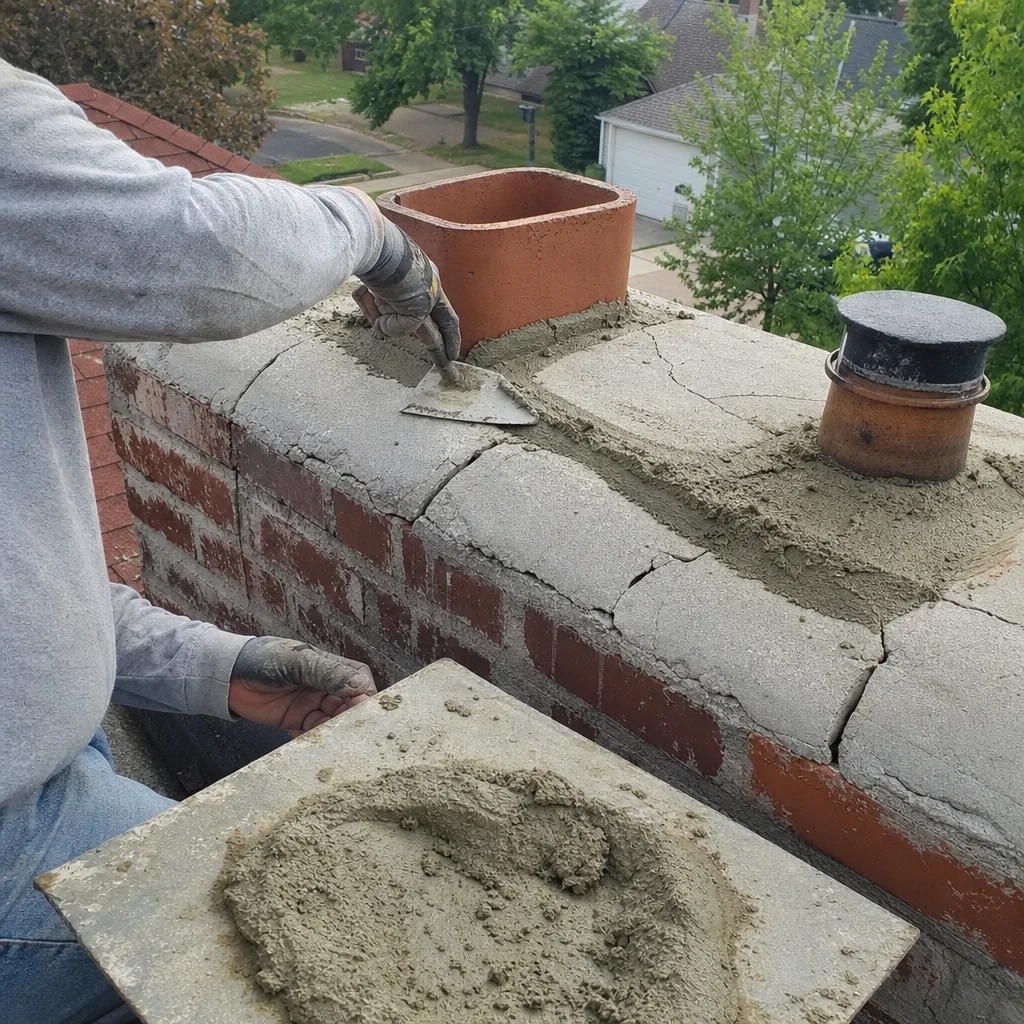
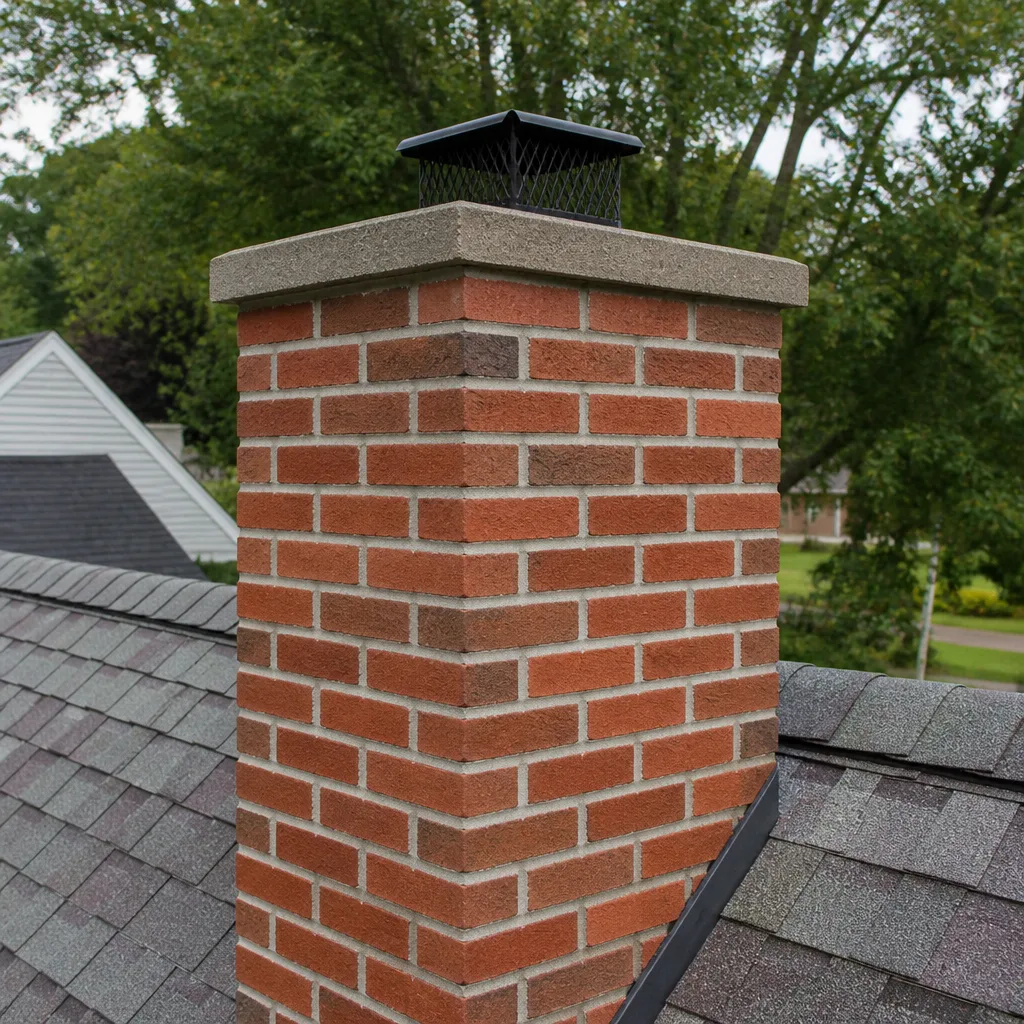 Masonry repair
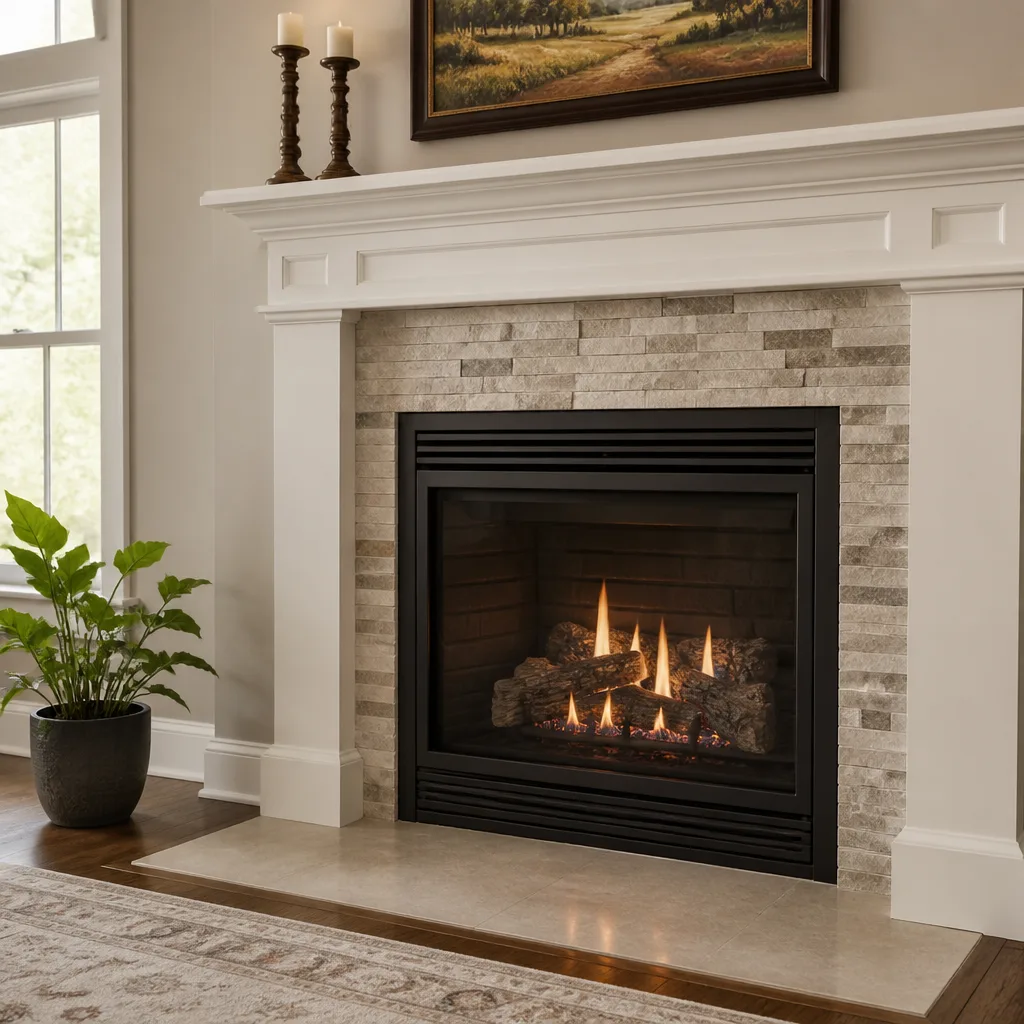 Gas fireplace service
Level 1 sweep and inspection to the NFPA 211 annual standard - flue, crown, cap, and flashing checked and photographed
Chimney sweep logs do not sweep chimneys. They loosen some creosote - which then falls where a brush and vacuum still have to collect it.
Chimney Cleaning Emergency Preparedness Guide for Tulsa Homes
Most people expect a chimney fire to announce itself with a roar. It usually doesn’t. In our experience, the sound that matters most is quieter: a low rumble, a crackling that seems to come from above the firebox rather than from the logs, or a vibration you feel in the room more than you hear. Homeowners who mistake that for normal fire noise lose the first minutes of a response that should start immediately. This guide walks through what to do in those minutes, what the Tulsa Fire Department needs to hear from you, and why the days after a fire matter as much as the fire itself. Our technicians have up to 10 years of experience, and we’ve written this to close the gap between knowing and not knowing.
Quick Answer
If you suspect a chimney fire in a Tulsa home, do three things in order: close the damper, get everyone out, and call 911. Do not use the fireplace again until a chimney professional performs a Level 2 inspection, which checks the flue interior and any hidden spaces where fire damage can compromise the system. A chimney that has survived a fire may look fine from the hearth and still be unsafe.
Styles & brands we work with
- Sweep & inspection
- Caps & crowns
- Flue relining
- Masonry repair
- Gas fireplace service
Table of Contents
- How to Recognize a Chimney Fire in Progress
- The Three-Step Immediate Response
- What to Tell Tulsa Fire Department Dispatchers
- Why a Level 2 Inspection Is Mandatory After a Fire
- Signs a Chimney Fire Happened Before You Owned the House
- Inspection Timeline and Emergency Contacts in Tulsa
- Preventing the Next Fire: Tulsa’s Climate and Your Flue
How to Recognize a Chimney Fire in Progress
A chimney fire burns inside the flue, which means it’s sometimes invisible from the room where the fire is burning. The visual tells are consistent: a puffy, unusually dense or pressurized column of smoke from the top of the chimney, discoloration on the chimney cap, or visible smoke coming through seams, cracks, or joints in the masonry or connector pipe. You might also notice a clicking or tapping sound, or a vibration in the firebox itself.
The less obvious signs are the ones that fool people:
- A low rumble or crackling from above the firebox. This reads as normal fire noise to most listeners, but fire in the flue sounds different from fire in the firebox.
- A sudden, sharp increase in heat from the fireplace opening. If the firebox becomes noticeably hotter without you adding fuel, treat it as a warning.
- The smell of hot creosote. It’s a sharp, acrid smell, not the pleasant woodsmoke you’re used to.
- Gray smoke escaping through masonry joints or a pipe seam. Anywhere smoke shouldn’t be is a chimney fire warning.
Tulsa’s housing stock ranges from early-twentieth-century bungalows near Brookside and Maple Ridge to newer builds in south Tulsa and Broken Arrow, and the age of the chimney affects how dramatic these signs are. Older masonry chimneys with slow leaks in their joints can smolder inside the wall cavity before anything obvious shows outside. That’s why any fire in the flue should be treated as serious regardless of how it looks from the curb.
If you recognize two or more of these signs at the same time, act now. Don’t wait to confirm.
The Three-Step Immediate Response
The sequence matters, and it’s short enough to remember under stress. Here it is in plain order:
- Close the damper. A damper is the metal plate just above the firebox that opens and closes the flue. Closing it cuts the air supply to the fire above it, which is the fast way to slow a chimney fire. If yours is stuck or you’re not sure where it is, move to step two and step three anyway.
- Get everyone outside. Every person, plus pets, exits the house. Chimney fires can extend into the attic, roof framing, or adjacent wall cavities, and the structure can become unsafe without visible warning from the living room. Once outside, stay outside.
- Call 911 from outside. Whether the fire is visible or not, whether you think it’s out or not, call. The fire department will decide if a response is warranted.
If the fire is still burning and you can do so safely, douse the firebox with a bucket of water on your way out. If the roof or roof edge is accessible without climbing, a garden hose aimed at the top of the chimney can help, but only from the ground. Never climb onto a roof to fight a chimney fire. A chimney fire can be burning hot enough to compromise the roof, and falls are a leading cause of injury in these events.
If you smell smoke in the house and things feel wrong, treat it as an emergency even if you’re not certain. Calling 911 and being mistaken is a good outcome compared to the alternative.
What to Tell Tulsa Fire Department Dispatchers
Dispatcher information helps the fire department send the right equipment and the right number of people. When you call 911 for a suspected Tulsa chimney fire, say the following clearly and in the first sentence:
- “I have a suspected chimney fire.” Put the word “chimney” up front. Chimney fires and structure fires get different initial responses.
- “The address is [your street address in Tulsa].” Include the cross streets if you know them.
- “We are outside the house” or “We are still inside.” Be direct.
- “I can see [flames from the chimney, smoke from the roof, smoke from the joints, nothing visible but I smell smoke].” Descriptive language helps more than “something’s wrong.”
- “[Number] people and [number] pets are in the household, and everyone is safe” if you know.
Chimney fires can escalate from a contained flue fire into structural involvement faster than most homeowners expect. When a dispatcher asks a follow-up question, answer it immediately and do not hang up until they release you. If the dispatcher gives an instruction that conflicts with what you’re doing, follow the dispatcher.
If the fire turns out to be under control before the engines arrive, the fire department can still verify that your home is safe. Don’t resume using the fireplace after a chimney fire until a professional has looked at it. That includes waiting until the next night or the next cold snap.
Why a Level 2 Inspection Is Mandatory After a Fire
A Level 2 inspection is the industry standard for any chimney that has experienced a fire event. It goes beyond the standard visual check and looks into the flue interior with a chimney camera, into the attic and roof-level penetrations, and into the physical condition of the liner, damper, and any concealed spaces around the chimney. Without that inspection, nobody has the information needed to say the chimney is safe to use again.
A Level 2 inspection after a suspected fire specifically checks for:
- Cracks or gaps in the clay liner tiles. Fire heat can cause hairline cracks that pass smoke and carbon monoxide into the structure.
- Damage to the flue lining inside manufactured chimney assemblies. Stainless liner systems in these chimneys can warp or separate at the seams.
- Damaged or warped dampers and connectors. The metal in a fireplace connector may have warped from the heat and no longer seals.
- Creosote deposits that have hardened or cracked. Fires can leave deposits stuck to the flue in a way that a routine sweep won’t remove.
- Damage to adjacent framing, insulation, and the roof structure. This is the check that catches structural compromise that isn’t visible from the hearth.
- Caps, crowns, and flashing condition. Fire heat can warp or damage the cap, which needs replacing with a proper component, no matter the age of the chimney.
If the liner is compromised, the fix is generally a relining project, not a repair of the old liner. We specify DuraFlex and Olympia Chimney liner systems for these projects because they are the products the trade uses in demanding relining applications, and they come with the material compatibility and installation knowledge that a generalist handyman typically doesn’t carry.
For lesser damage, HeatShield chimney resurfacing can restore the liner interior without a full reline. That decision is specific to the individual chimney’s condition and is not something we recommend without camera evidence you can see yourself.
Signs a Chimney Fire Happened Before You Owned the House
If you’ve recently bought a home in Tulsa or inherited one, and there’s any chance the previous occupants had a chimney fire, there are visible tells to look for. This matters because uninspected fire damage can persist for years and read as normal until someone lights a fire in cold weather.
The signs are usually at the exterior roofline and inside the flue:
- Discoloration or pitting on the chimney cap. Heat damage often warps or pits the cap and its screening.
- Soot or dark streaks on the exterior brick near the top. These can indicate escaping smoke that deposited on the outside over time.
- Spalling or cracked masonry, especially on the chimney crown. Significant heat events damage the crown more than ordinary seasonal wear does.
- A masonry stain or crack inside the firebox or at the damper frame. Heat has been present in a way the joint wasn’t designed for.
- Discolored or warped metal in the smoke chamber or at the base of the flue. Visible heat damage to metal is one of the more reliable tells of a past fire.
If you see two or more of these, don’t light a fire. A Level 2 inspection gives you the camera evidence to know what you’re dealing with. Many of the homes we see in midtown Tulsa and near the older neighborhoods around Utica Square were built in an era when chimney construction was very different from today, so a past fire in one of those homes decades ago can still create problems for the current owner.
Inspection Timeline and Emergency Contacts in Tulsa
Getting a chimney cleared for use after a fire event is a defined sequence. This is the timeline we follow:
- The day of the fire. Fire department responds, checks the roof and interior, and clears the scene if it can. Do not use the chimney. Keep it closed.
- Within the first 24 to 48 hours. Book a Level 2 inspection. This establishes whether you have a dangerous condition or a manageable one, and gives you time to arrange repairs if needed.
- The day of the inspection. A camera-based inspection takes roughly an hour for most single-flue homes. You get a report and the footage, which is critical for insurance documentation and for deciding on repairs.
- After the inspection. If repairs are needed, we provide a written estimate. If not, you get a documented bill of health and a recommendation for the next sweep.
- Before using the fireplace again. Confirm in writing that the chimney is cleared for use. If you’re uncertain, keep the fireplace off.
For your records in Tulsa, the fire department and chimney professional are the two contacts that matter. If you rent, notify the landlord in writing and keep the record. If you’ve already had the fire department out and someone verbally told you the chimney was fine, that’s not enough to light a fire. The decision belongs with a chimney professional who can see into the flue.
Call (833) 712-5506. We answer 24/7. Fast dispatch from 7am to 7pm, Sunday through Friday.
Preventing the Next Fire: Tulsa’s Climate and Your Flue
Tulsa winters are cold enough to keep a fireplace running regularly from November through March, and the mix of cold nights and humid days creates conditions where creosote builds faster than in drier climates. The fires are usually caused by a buildup of creosote combined with the long, hot burns that come with holiday-season fires. A little prevention covers most of it:
- Get the chimney swept annually. Every fireplace used regularly, whether wood-burning stove, insert, or open hearth, should be swept once a year.
- Burn only dry, seasoned firewood. Green or unseasoned wood deposits creosote faster.
- Avoid long, slow, cool burns. Cold smoldering fires deposit more creosote than hot, efficient fires.
- Add a properly fitted chimney cap. Gelco and Famco caps keep out rain and wildlife, which reduce soot and moisture in the flue. If your cap is missing or damaged, that gap is exactly the kind of thing a home inspection can miss.
- Have the chimney inspected once a year along with the sweep. Sweeping cleans the flue, and the inspection confirms it’s structurally sound. They’re complementary, not interchangeable.
Our chimney sweep and chimney repair services are designed to fit into a homeowner’s normal maintenance rhythm rather than requiring a separate appointment with a second contractor. If you’re not sure where your chimney stands, an inspection is a reasonable place to start.
Common Mistakes to Avoid
- Assuming there was no fire because nothing was visible. Many Tulsa chimney fires burn entirely inside the flue, with only a rumble or a smell to signal them. Once you suspect one, treat it as real.
- Waiting overnight to call the fire department. A chimney fire can transition from confined to structural in hours. If you suspect fire in the flue, call. If it’s already out, a call still documents the event for insurance.
- Relighting the fireplace before the inspection report comes back. A cracked liner can pass smoke and carbon monoxide into the living space. The fireplace stays off until the report clears it.
- Accepting a verbal “looks fine” without an inspection. A Level 2 inspection relies on a camera, not a line of sight. Don’t take an inspection verdict that didn’t use one.
- Skipping the annual sweep after a mild winter. Creosote doesn’t disappear because you burned less than last year. It accumulates.
- Letting a handyman handle post-fire liner work. Relining and resurfacing use specialized products like DuraFlex, Olympia Chimney, and HeatShield that generalist crews usually don’t stock. If the repair is spec’d wrong, you’re back to square one.
- Not telling your insurer. Even if the fire department gave you the all-clear for the structure, the chimney is a separate issue. Report it before the next contractor visit.
See the difference
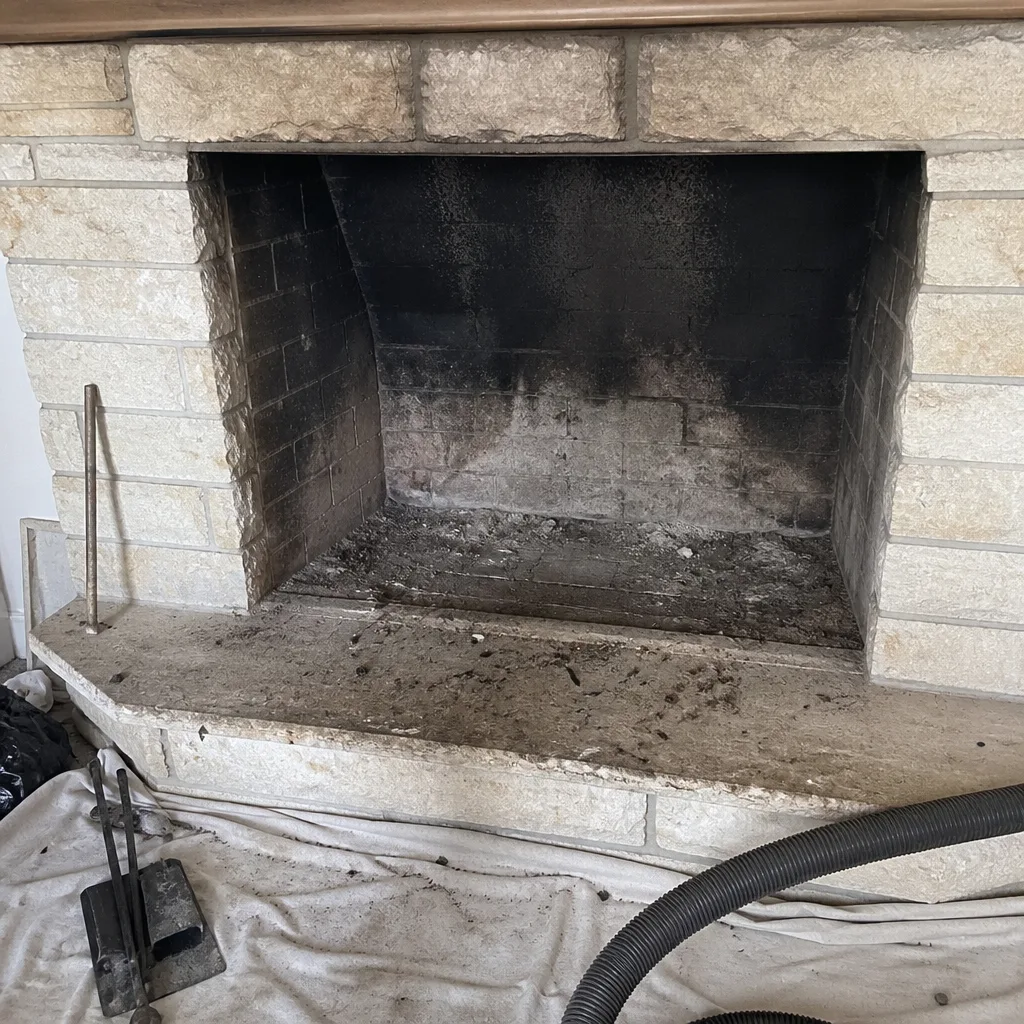 Before
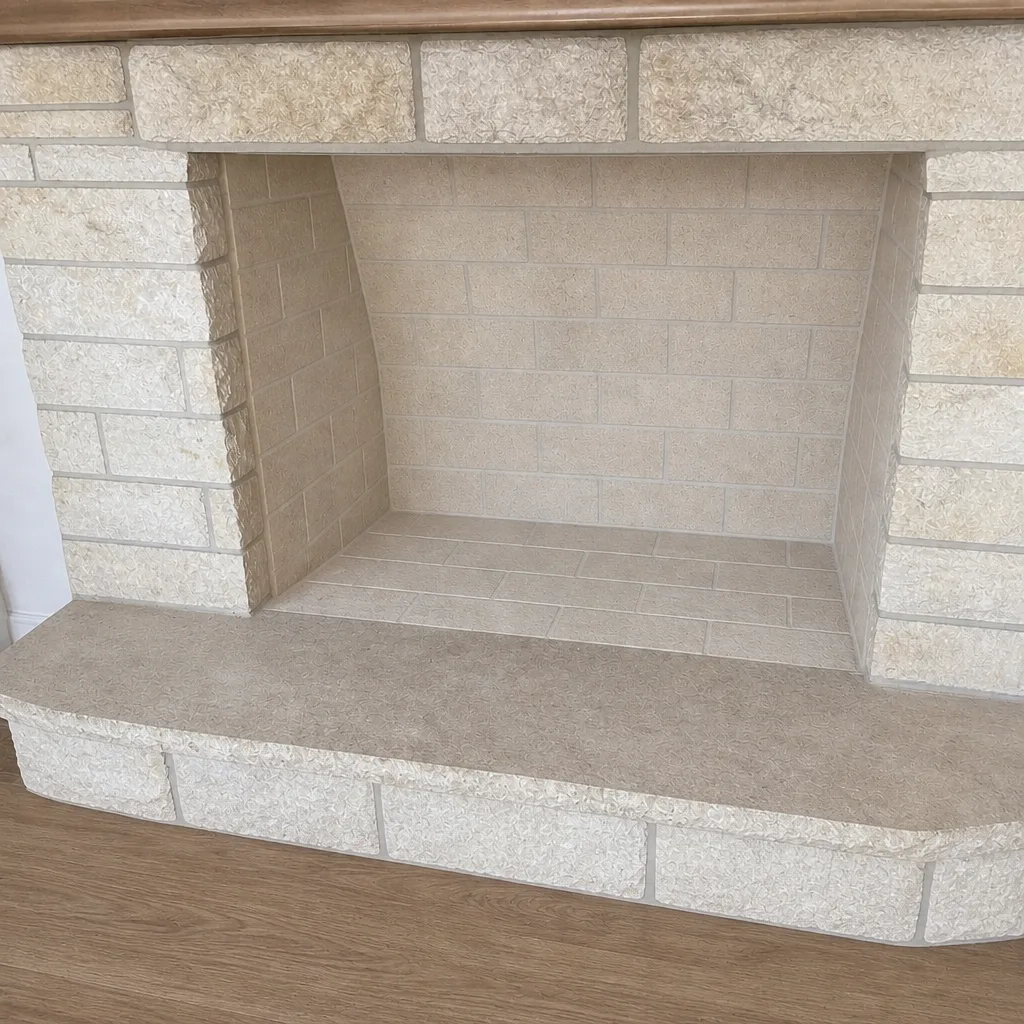 After
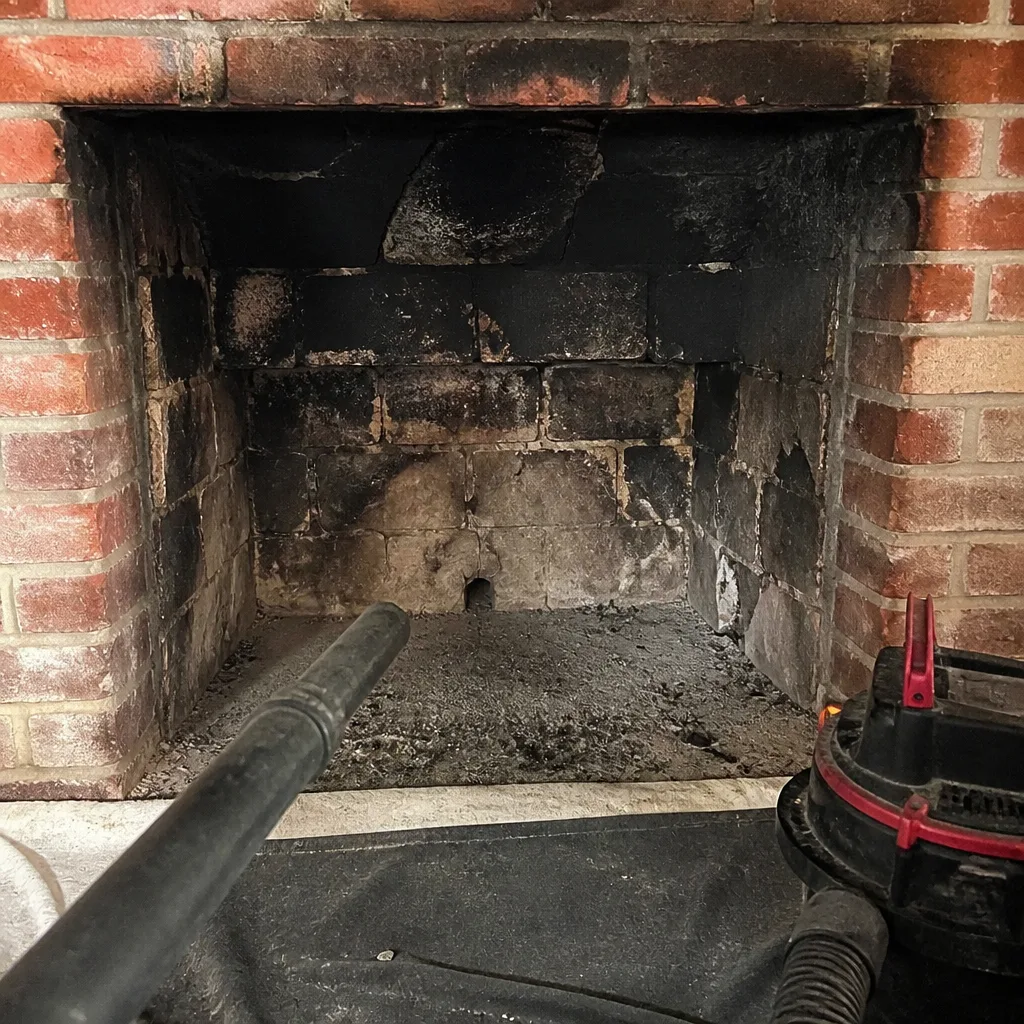 Before
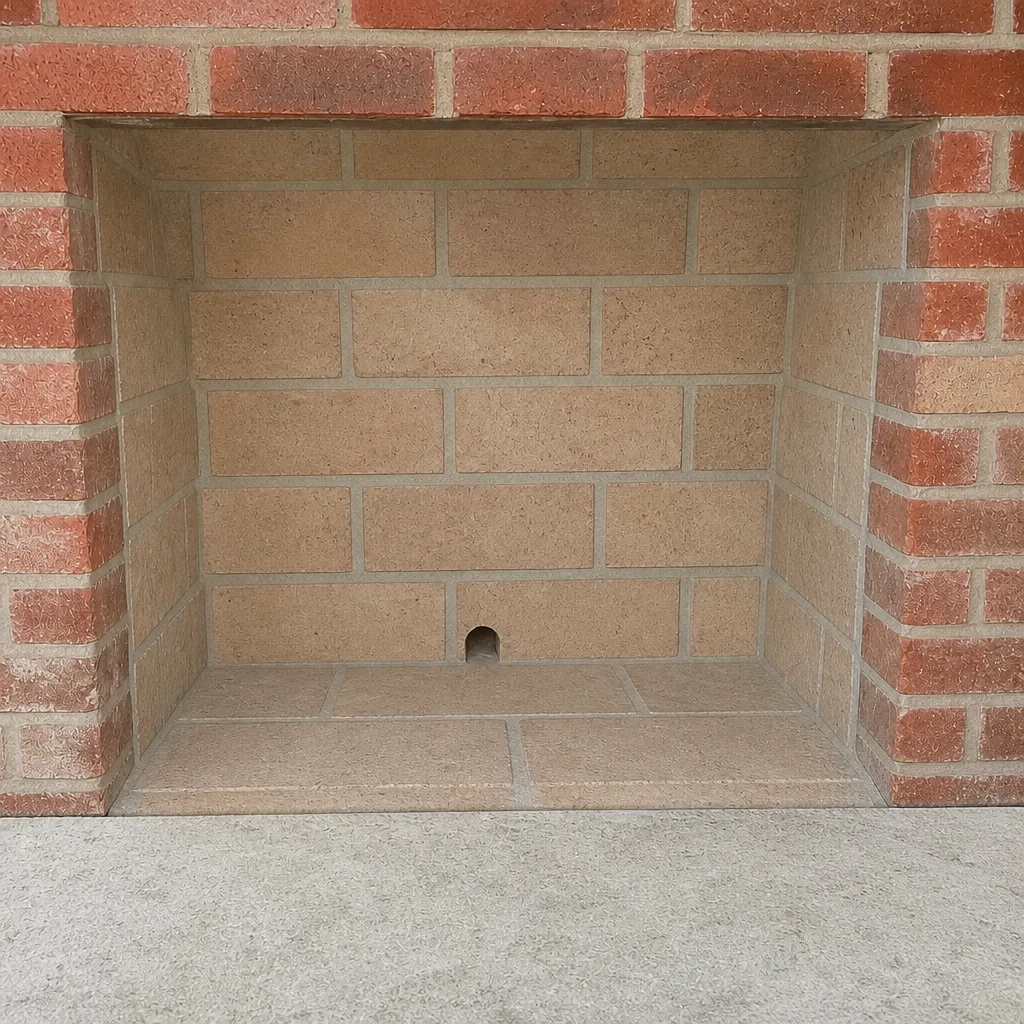 After
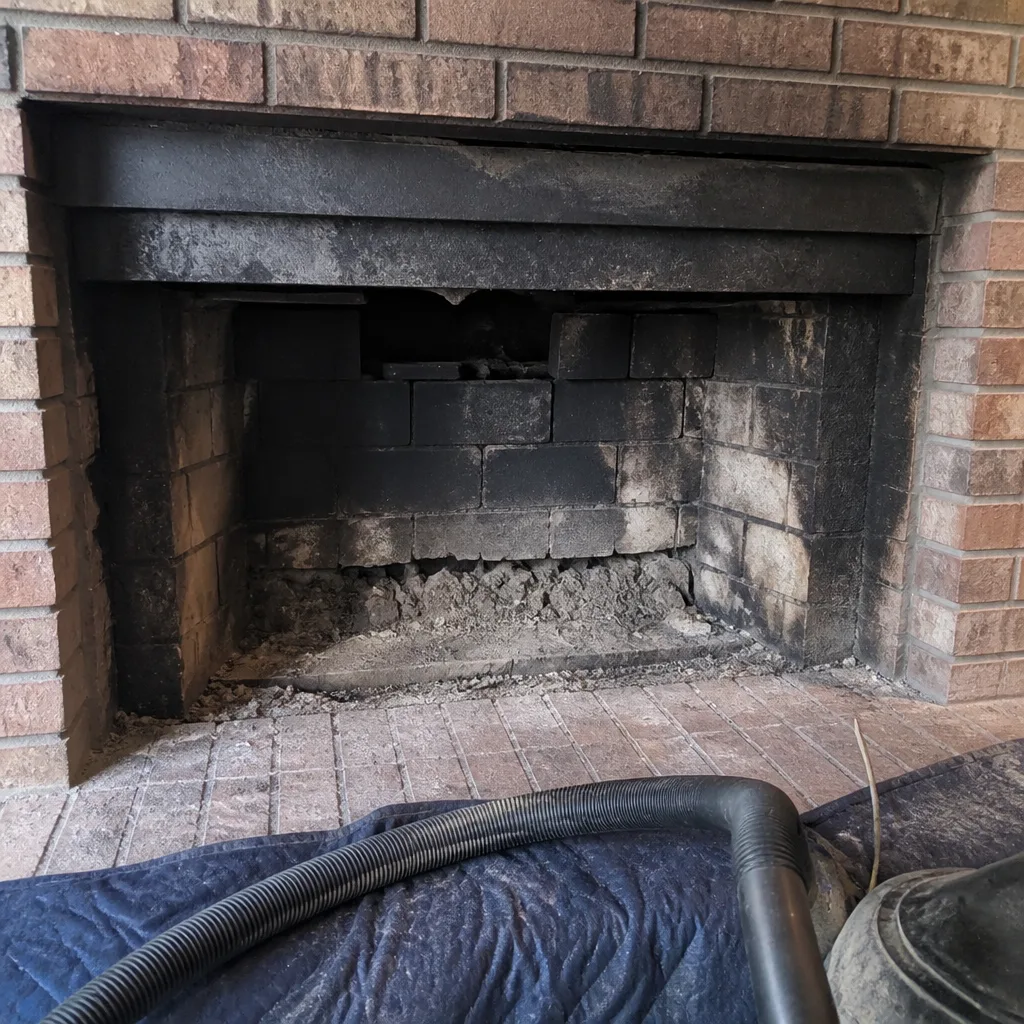 Before
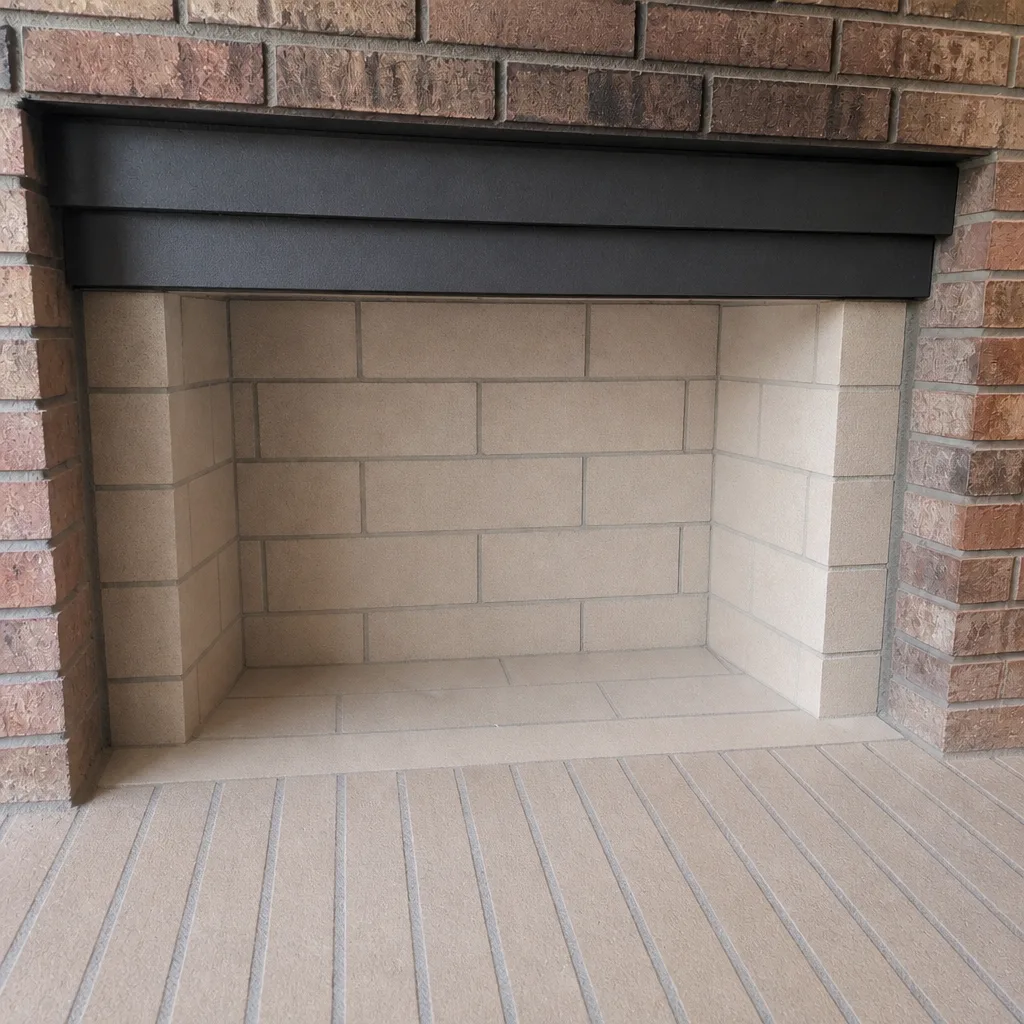 After
When to Call a Professional
Call a professional for any of these situations: you suspect a chimney fire occurred, even one that seemed minor; you’ve moved into a home in Tulsa and don’t have a chimney history for it; you notice smoke, soot, or staining around the cap, crown, or roof level; you smell smoke inside the house when the fireplace is burning; your damper or liner is damaged; or it’s been more than a year since your last sweep. For routine maintenance, a sweep and inspection once a year keeps the system in working order and gives you a baseline for anything that looks different during the year.
Tulsa Chimney Cleaning offers free estimates in Tulsa – call (833) 712-5506. Our technicians have up to 10 years of experience, and we work with professional-grade materials from DuraFlex, Olympia Chimney, HeatShield, Gelco, Famco, and Copperfield rather than hardware-store substitutes.
Frequently Asked Questions
Close the damper, get everyone out of the house, and call 911 from outside. Do not wait to confirm the fire is real. Once the fire department has responded and the immediate threat is handled, the next step is a Level 2 inspection before you use the fireplace again. Call (833) 712-5506 to book it – estimates are free.
Look for a warped or pitted chimney cap, soot streaking on exterior brick near the top, cracked or spalled masonry at the crown, and any discoloration at the firebox or damper. If two or more of those are present, don’t light a fire until a professional inspects the flue. Call us at (833) 712-5506 – a Level 2 inspection will give you a clear answer and camera evidence you can see yourself.
You need the Level 2. A sweep cleans the flue, but the Level 2 inspection uses a camera to check the liner, damper, connectors, and concealed spaces for cracks and damage. That’s the level the trade uses after a fire event. A sweep alone can leave damage undetected. Call (833) 712-5506 for a free estimate on the inspection.
Typical costs vary with chimney access, flue configuration, and how much buildup is present, so a written estimate is the only way to price it correctly. We provide a flat-price estimate before booking so the number doesn’t move when the job starts. We won’t recommend liner or masonry work without camera evidence. Call (833) 712-5506 – estimates are free.
The fire department clears the structure; the chimney itself is a separate question. Any chimney that has had a fire event needs a Level 2 inspection before it’s cleared for use. Relighting before that happens risks carbon monoxide and smoke entering the home through a hidden liner crack. Call (833) 712-5506 and we’ll walk you through the next steps.
Skipping the annual inspection removes the only routine check on the flue’s condition. Creosote builds up silently, small cracks aren’t caught before they widen, and damage from a fire event or a chronic obstruction stays hidden until something goes wrong. A yearly sweep and inspection is the difference between a small repair and a large one. Call (833) 712-5506 – free estimates and flat prices.
The Bottom Line
A chimney fire is survivable when the response is immediate: close the damper, get out, call 911. The sequence is short enough to remember right now, which is the point. What follows in the days after the fire matters just as much as what you did in the first ten minutes, and the Level 2 inspection is how you get a clear answer before using the fireplace again. For Tulsa homeowners, this guide is a checklist, not a one-time read. Come back to it before each heating season. Keep the number handy: (833) 712-5506. We answer 24/7. Fast dispatch from 7am to 7pm, Sunday through Friday. Free estimates, flat pricing, and material recommendations you can verify on camera.
Written by the team at Tulsa Chimney Cleaning.