
Last updated November 16, 2026
 Sweep & inspection
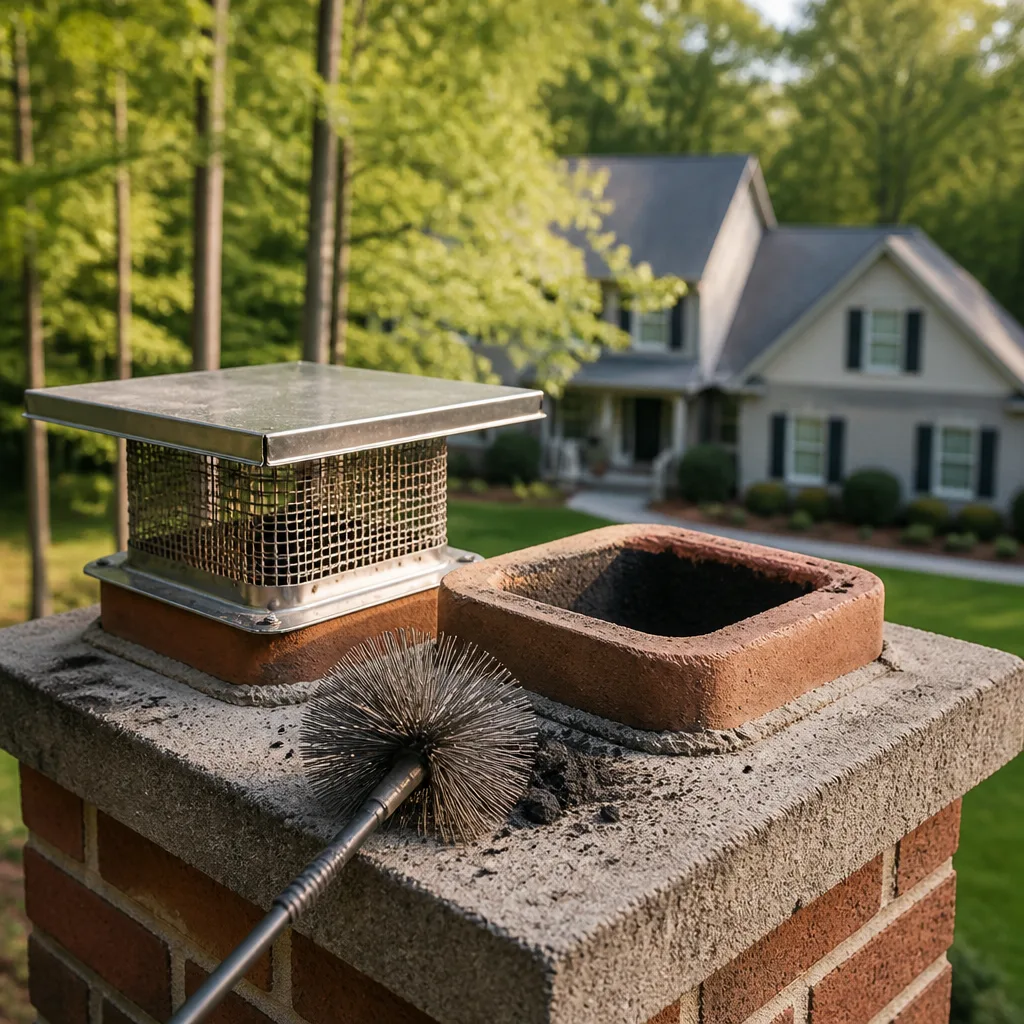
 Caps & crowns
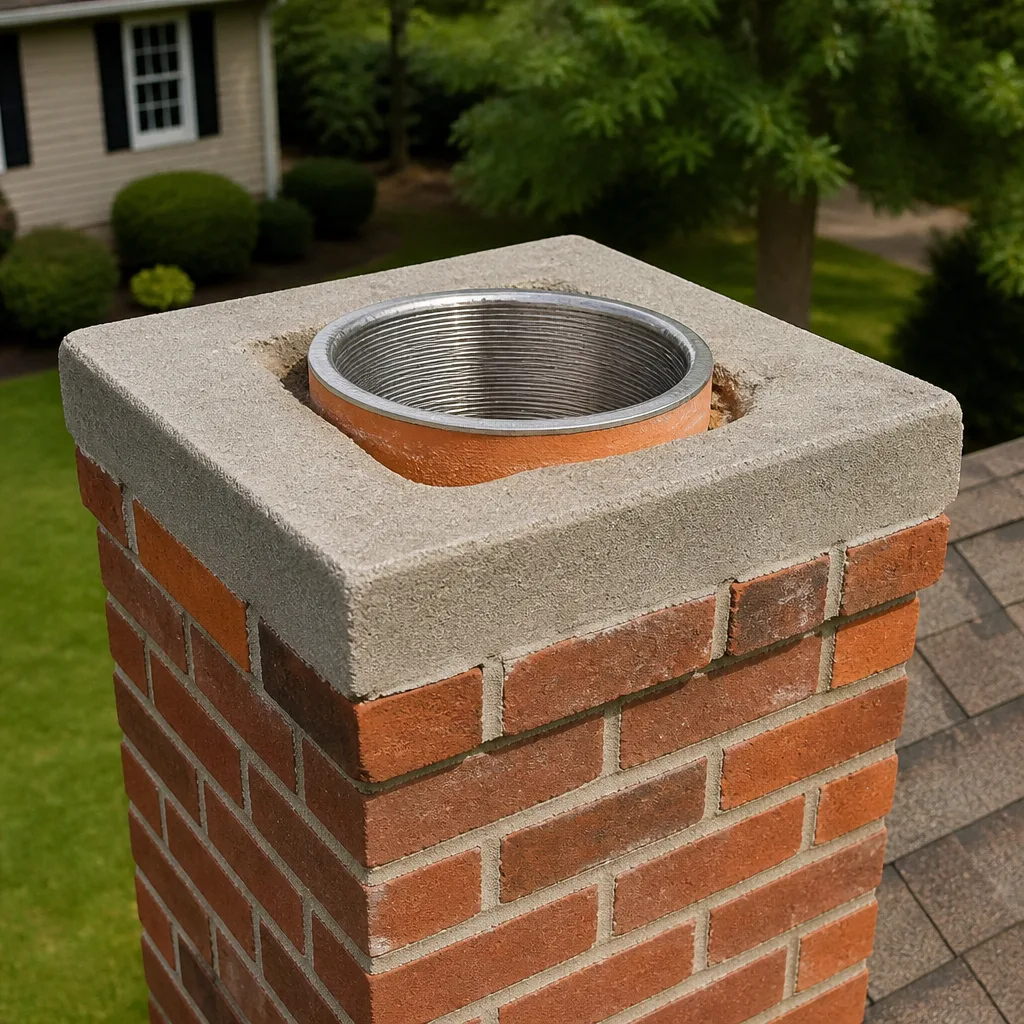 Flue relining
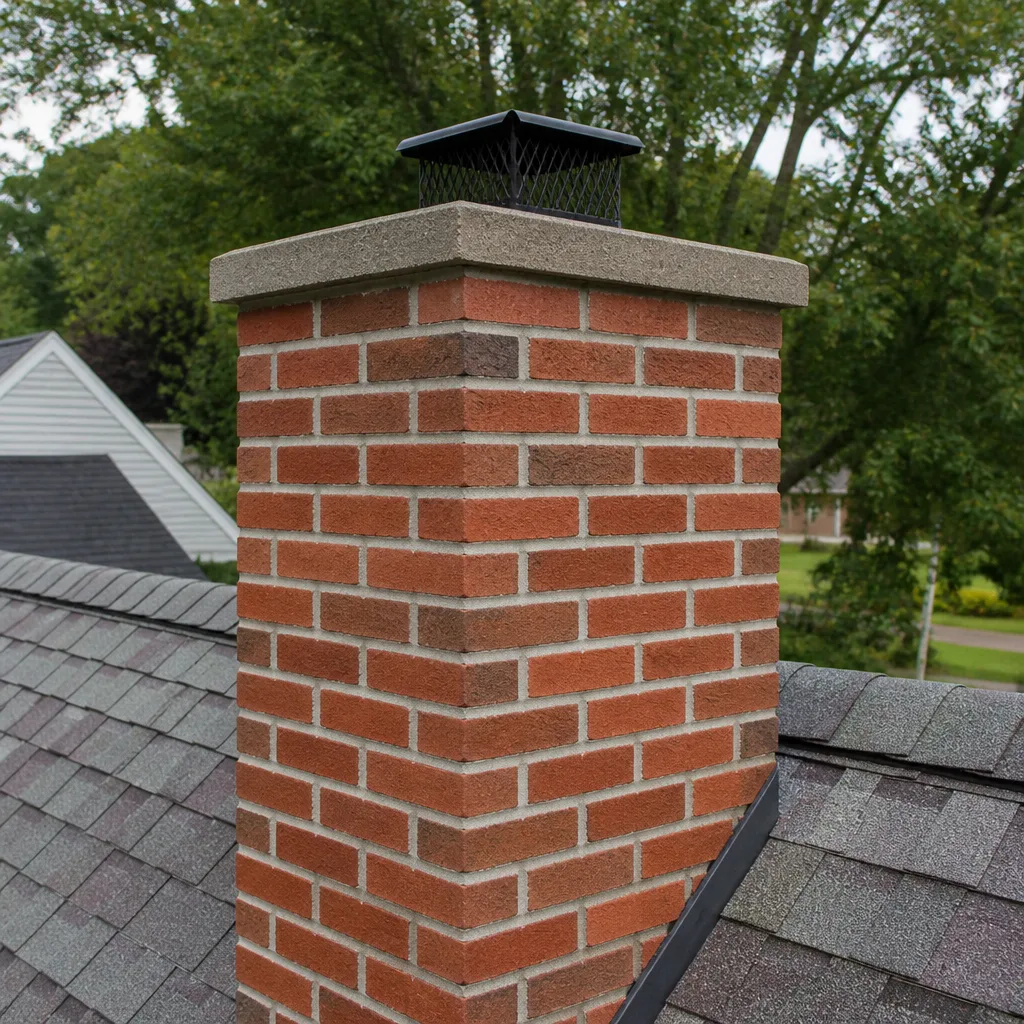 Masonry repair
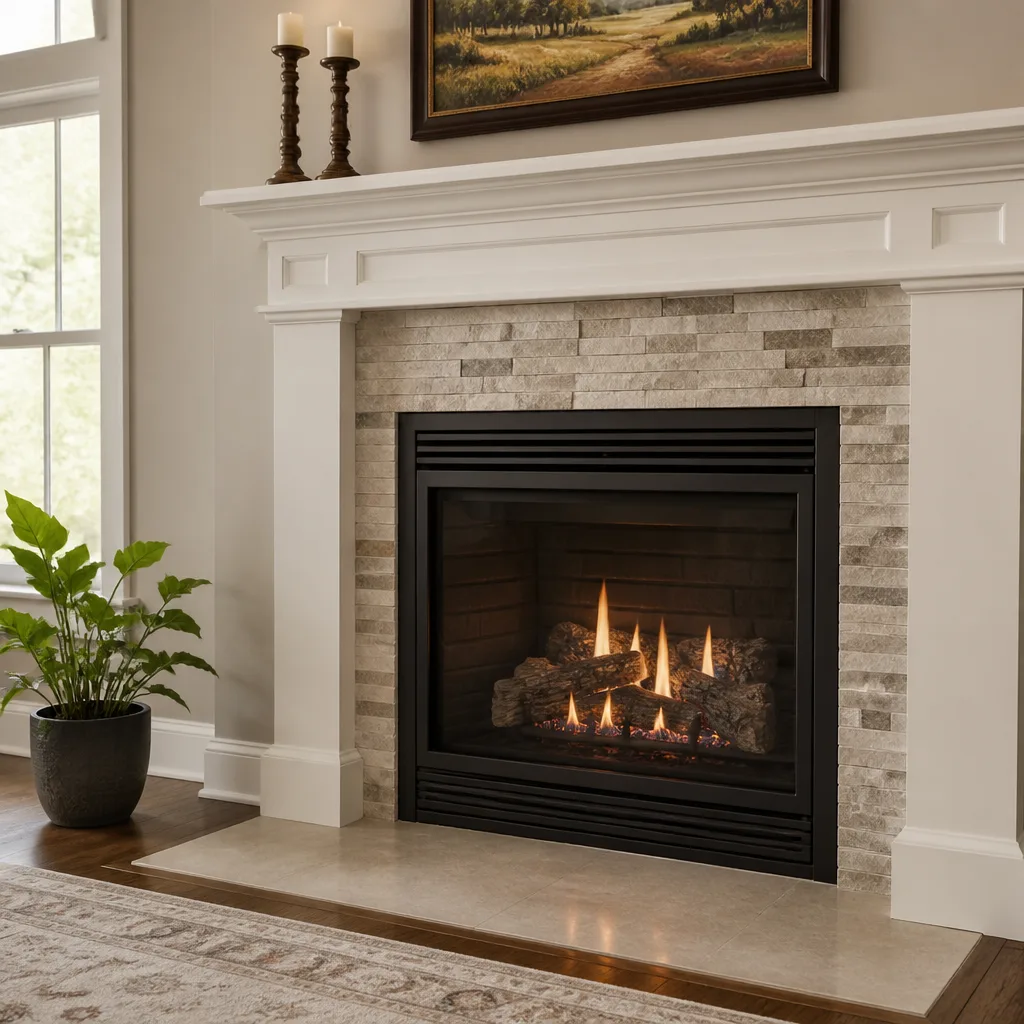 Gas fireplace service
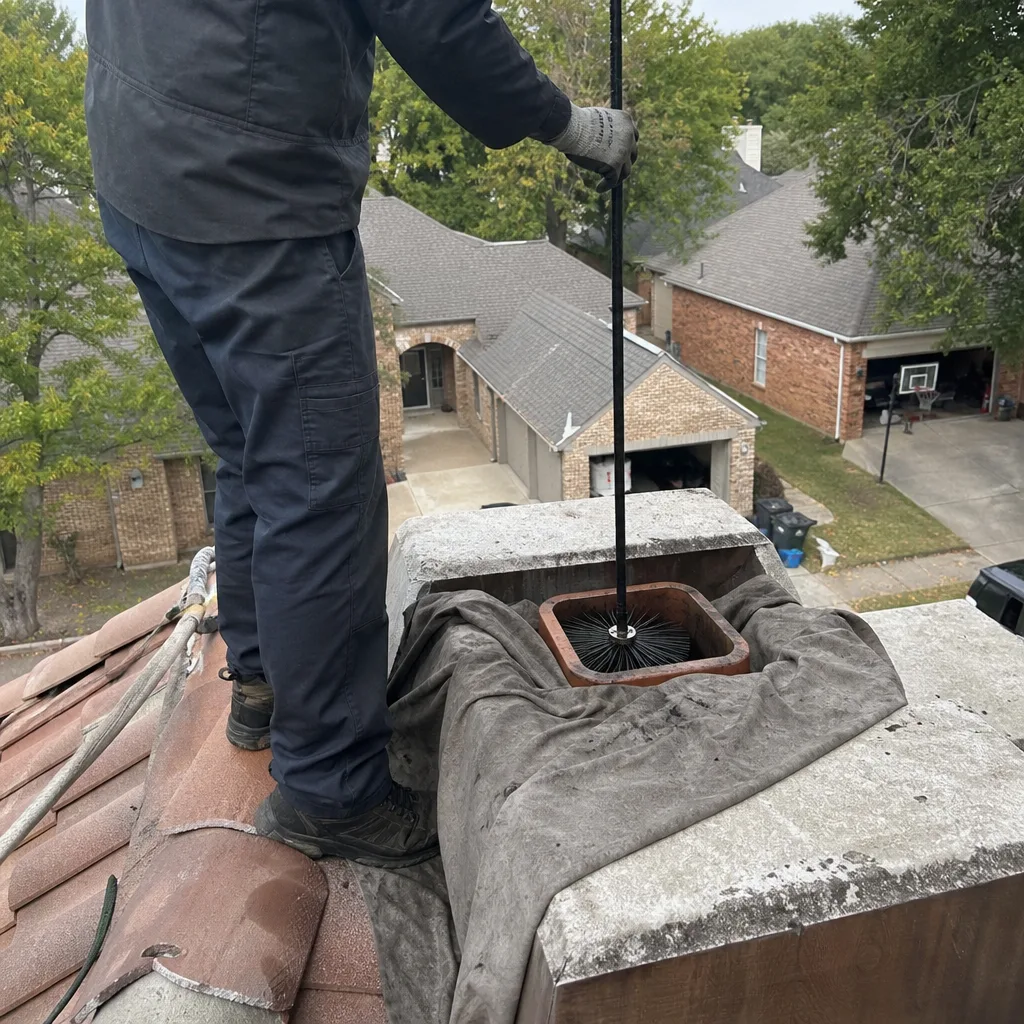
Level 1 sweep and inspection to the NFPA 211 annual standard - flue, crown, cap, and flashing checked and photographed
Chimney sweep logs do not sweep chimneys. They loosen some creosote - which then falls where a brush and vacuum still have to collect it.
Chimney Sweep Maintenance Checklist for Tulsa Homeowners
Most Tulsa homeowners treat chimney care as a once-a-year event, something to schedule when the first cold snap hits and the fireplace gets lit for the season. That timing is backwards. The checklist item that gets skipped most often around here happens in April and May, not November: walking outside after a spring hail event and checking the chimney crown for cracks. Cracked crowns let water into the masonry all summer, and by the time a stain shows up on a ceiling, the damage has been working quietly for months. A chimney is a system exposed to some of the most punishing weather swings in the region, from 100-degree July afternoons to hard freezes in January, and it needs maintenance timed to those conditions. This guide walks through a month-by-month checklist built for Tulsa, what you can safely check yourself, what needs a professional, and how to keep records that hold up if you sell the house or file a claim. By the end you’ll know exactly what to look at, when, and when to pick up the phone.
Quick Answer
A Tulsa chimney maintenance checklist should follow the local weather calendar, not a generic annual schedule: inspect the crown and cap after spring storms, sweep before the first burn in fall, watch for freeze damage in January and February, and monitor the firebox after each of the first few burns of the season. Annual professional sweeping and inspection remain the backbone, but the tasks that prevent the most expensive water and structural damage happen between heating seasons, not during them.
Styles & brands we work with
- Sweep & inspection
- Caps & crowns
- Flue relining
- Masonry repair
- Gas fireplace service
Table of Contents
- Why a Tulsa Chimney Needs a Seasonal Calendar, Not an Annual Checkup
- The Month-by-Month Chimney Maintenance Calendar for Tulsa
- What You Can Safely Check Yourself vs. What Needs a Professional
- What the Firebox Tells You After the First Burn of the Season
- Checklist Items That Trigger a Professional Visit
- How to Log Chimney Maintenance for Resale and Insurance
- How Often Does a Tulsa Chimney Actually Need Sweeping?
- Storm, Hail, and Freeze Damage: What Tulsa Weather Does to Chimneys
Why a Tulsa Chimney Needs a Seasonal Calendar, Not an Annual Checkup
Most chimney maintenance advice online assumes a mild climate with one heating season. Tulsa doesn’t work that way. The same chimney that bakes in summer heat and takes direct hail in spring also freezes hard in winter and thaws fast, and those freeze-thaw cycles are what crack masonry and mortar joints. A single annual sweep in October catches creosote buildup, but it misses the water intrusion that starts in May and does most of its damage by August. In our experience, the repairs that cost the most around here are the ones nobody saw coming because the checklist only covered the inside of the flue.
Think of your chimney as having two maintenance tracks running at the same time. The first is fire safety: creosote buildup, flue condition, and draft. The second is structural durability: the crown, cap, flashing, mortar, and masonry exterior. Fire safety work peaks in fall and winter. Structural work peaks in spring and summer. A checklist that covers only one track leaves the other exposed, and the damage from a missed structural item tends to show up inside the house, in the form of stains, spalling brick, or a rusted damper, long after the cause.
There’s a third reason the calendar matters in Tulsa specifically: the shoulder seasons. Between the last fire of spring and the first fire of fall, most people never look at their chimney. That’s six months of exposure to Oklahoma sun, hail, and wind with zero observation. A chimney that gets a five-minute visual check in June and again in September will usually surface problems while they’re small and cheap to fix.
The Month-by-Month Chimney Maintenance Calendar for Tulsa
Here’s the checklist we’d hand a Tulsa homeowner who wants to stay ahead of both tracks. Adjust the timing to the weather in the year you’re having it, but keep the sequence.
Spring (March through May): Storm Damage and Water
- After any significant hail or wind event, walk the yard and look at the chimney with binoculars from ground level. Check the crown for cracks, the cap for dents or displacement, and the flashing where the chimney meets the roof.
- Scan the attic after heavy rain. Look for water stains on the underside of the roof deck near the chimney penetration.
- Look at the exterior masonry for spalling brick, crumbling mortar, or white mineral staining (efflorescence), which signals water moving through the masonry.
- Schedule any crown or flashing repair for late spring or early summer, before the heat makes the work harder and the next round of storms arrives.
Summer (June through August): Repair and Upgrade Window
Summer is the best time to do the work that requires getting on a roof or rebuilding a crown. Caps and flashing components from Gelco and Famco installed during dry weather have time to cure and settle before the first freeze. If a liner is compromised, this is also when relining with a DuraFlex or Olympia Chimney system makes the most sense, since it avoids doing the work in a cold snap. Sweeping in summer is unusual, but a mid-season inspection of the firebox and damper is a good check before the fall rush. Water damage that started in the spring often shows up as a stuck damper or a rusted firebox by late summer.
Fall (September through November): Sweep and Inspect Before the First Burn
- Book the professional sweep and inspection before the first cold week. Fall is the busiest time of year for chimney work, and waiting until the first freeze means waiting longer.
- Test the damper by opening and closing it several times. It should move smoothly and seal flat.
- Check the firebox for cracked firebrick and loose mortar, and look up the flue with a flashlight for heavy soot or glazed creosote.
- Confirm the cap is still attached after summer storms. A loose cap lets animals and water in.
- Clear any leaves, nests, or debris from the top of the chimney that you can see from the ground. If the cap is missing, a professional visit is the safer call.
Winter (December through February): Watch for Freeze and Burn Safely
Winter is when the fire safety track gets the attention. Burn dry, seasoned wood, never trash or treated lumber, and keep the fire moderate rather than roaring. After each of the first few burns of the season, do a quick interior check (see the firebox section below). Watch the exterior for ice dams at the chimney base and for cracked mortar that opens up when water freezes inside it. If you notice a sudden drop in draft, a smell in the house, or smoke rolling back into the room, stop using the fireplace and call for service.
One local note: Tulsa’s heating season begins with relatively mild weather and then hits hard in January. That means the creosote from the first several weeks of fall burning is often glazed and sticky, and it accumulates faster than people expect. A mid-season look at the firebox in late December or early January catches that buildup before it becomes a real hazard.
What You Can Safely Check Yourself vs. What Needs a Professional
There’s a clear line here, and it matters. Some of the checklist is safely done from the ground with binoculars and a flashlight. Other parts involve height, the flue interior, or dangerous components, and those belong to a professional. Getting this line wrong is how homeowners end up hurt.
Safe to Check Yourself
- Crown and cap from ground level with binoculars. You’re looking for cracks, missing pieces, or a cap that’s tilted or absent.
- Exterior masonry for spalling, crumbling mortar, or stains.
- Flashing at the roofline, visible from the ground or a low, safe vantage point.
- The firebox interior after the first burn of the season: cracked brick, loose mortar, a warped grate, or heavy soot on the glass door if you have an insert.
- The damper, opened and closed by hand.
- The attic under the roof where the chimney penetrates, for water stains.
Needs a Professional
- Anything on the roof. Steep roof work is dangerous, and a fall from a Tulsa roofline is a serious injury. Never get on the roof to check the crown up close, to clear debris, or to look down the flue.
- Sweeping the flue. This requires the right brushes, drop cloths, and a camera inspection to verify the result. It’s not a job for a homeowner with a hardware-store brush.
- Inspecting the flue interior. A camera inspection shows liner condition, joint integrity, and buildup levels, and gives you a photo report you can see for yourself.
- Crown repair, flashing work, and cap replacement. These are the structural items that, done wrong, lead to the water damage the checklist is designed to prevent.
- Liner work. Relining with a system like DuraFlex or Olympia Chimney is technical work that has to match the flue and the appliance.
If a task involves the roof, the flue interior, or any gas appliance connected to the chimney, it’s a professional job. Everything else on the checklist is fair game for a careful homeowner with binoculars and a flashlight.
What the Firebox Tells You After the First Burn of the Season
The first burn of the season is the most informative single event on the checklist, and most people light the fire and never look closely afterward. The firebox is your early warning system. Here’s what to check once the fire has burned down and the firebox is cool.
- Look for new cracks in the firebrick that weren’t there last spring. Small hairline cracks in firebrick are usually normal, but widening cracks or cracks that go through the brick are a sign the firebox needs repair before you burn again.
- Check the mortar joints between the firebricks. Crumbling or missing mortar lets heat reach the masonry behind the firebox, which is a real hazard.
- Inspect the damper for warping or a poor seal. A damper that doesn’t close flat lets heated air escape up the flue when the fireplace isn’t in use, and it can also affect draft.
- Look at the smoke shelf and the throat for heavy soot or glazed creosote. Glazed, shiny creosote is the kind that burns hot and is the strongest signal that a sweep is overdue.
- Notice the draft during the burn itself. Smoke that rolls into the room, a weak fire that struggles to catch, or a smell in the house during or after the burn all point to a draft or blockage problem.
- Check for rust or water staining on the firebox interior or the damper. In a Tulsa chimney, rust inside the firebox is a classic sign that water is getting in from the crown or cap.
If the first burn shows glazed creosote, widening firebrick cracks, or rust, those are professional-visit triggers, not routine monitoring items. Write down what you see, take a few photos, and get the chimney looked at before the next fire.
Checklist Items That Trigger a Professional Visit
Most of the checklist is routine monitoring. Some of it is not. These are the items that should push you to book a chimney sweep and inspection rather than add a note to next year’s list.
- Any crack in the crown that you can see from the ground. A cracked crown lets water into the masonry, and the repair gets more expensive the longer it sits.
- A missing, loose, or damaged cap. Without a cap, water and animals get in, and the flue is exposed.
- Water stains in the attic or on the ceiling near the chimney. This means water is already inside. Don’t wait.
- Glazed or shiny creosote visible in the firebox or flue. This is the highest fire-risk signal on the checklist.
- Widening cracks in firebrick or missing mortar in the firebox. Heat can reach the surrounding structure.
- A sudden or persistent draft problem, smoke rolling into the room, or a smell in the house.
- Rust on the damper or firebox interior. It points to water intrusion that needs to be traced.
- Spalling brick or crumbling mortar on the exterior. The masonry is failing and needs assessment.
- A fire that leaves heavy smoke or a strong odor in the house.
None of these are reasons to panic. They are reasons to get an expert eye on the chimney, with camera evidence you can see. The rest of the checklist, the routine monitoring and seasonal observations, can safely wait for the next scheduled visit.
How to Log Chimney Maintenance for Resale and Insurance
Most homeowners never keep chimney records, and that costs them twice: once at resale, when a buyer’s inspector flags an undocumented chimney, and once at claim time, when an insurer wants proof the chimney was maintained. A simple log solves both problems, and it takes a few minutes a year.
Here’s a format that works. Keep it in a folder, paper or digital, and add to it every time anything happens.
- Date and task. Note what was done (sweep, inspection, crown repair, cap replacement, liner work) and when.
- Who did it. The company, the technician if you know the name, and a contact number. Skip this if you’d rather keep it simple and just note the company.
- What was found. A short description of the condition, plus the photo report if the company provided one. Camera inspection reports are the most useful single document in the folder.
- What was repaired or replaced. Note the material or system used, for example a DuraFlex or Olympia Chimney liner, a Gelco or Famco cap, or HeatShield resurfacing. This matters at resale and for a future repair decision.
- Photos. Keep the before-and-after photos from any repair. They’re worth more than a written description when a buyer or an adjuster asks what condition the chimney was in.
- Next due date. Note when the next sweep or inspection is recommended, so the calendar item is already set.
At resale, this log answers the buyer’s chimney questions in one page. At claim time, it shows the chimney was maintained, which is often the difference between a smooth claim and a contested one. And for you, it turns a decade of chimney care into a record instead of a guess.
When you book work through Tulsa Chimney Cleaning, ask for the inspection report and the material details so they can go straight into the log. It’s your chimney, and the paperwork should be yours too.
How Often Does a Tulsa Chimney Actually Need Sweeping?
Once a year is the standard answer, and for most Tulsa homes burning a cord or two of wood a season, it’s the right one. But the honest answer depends on how much you burn and what you burn, and the annual rule of thumb is a floor, not a ceiling.
- Light use (a fire most weekends in winter), seasoned wood: annual sweep and inspection.
- Heavy use (a fire most days through the heating season): sweep more often, and check the firebox mid-season.
- Burning unseasoned or “green” wood: more creosote, more often, because the moisture in the wood cools the smoke and deposits more on the flue walls.
- Wood-burning insert or stove: annual sweep, plus a check of the appliance connection.
- Any glazed creosote visible: sweep now, regardless of when the last one was done.
In our experience, the homes that get into trouble are the ones that treat the annual sweep as a box to tick and never look at the firebox in between. The sweep clears the flue; the checklist is what catches the problem the sweep can’t see, like a cracked crown or a water-stained damper. A professional sweep should include a camera inspection and a photo report, so you can verify the condition of the flue with your own eyes instead of taking anyone’s word for it.
Storm, Hail, and Freeze Damage: What Tulsa Weather Does to Chimneys
Tulsa weather is hard on a chimney in ways that don’t show up in a generic annual checklist. Hail hits the crown and cap directly, and a crown that was sound in March can be cracked by May. Summer heat bakes the masonry and drives moisture out, then fall rains soak it again. Winter freezes that moisture inside the brick and mortar, and the expansion opens cracks that were barely visible in September. By the time you see the damage, it has usually been through a full cycle.
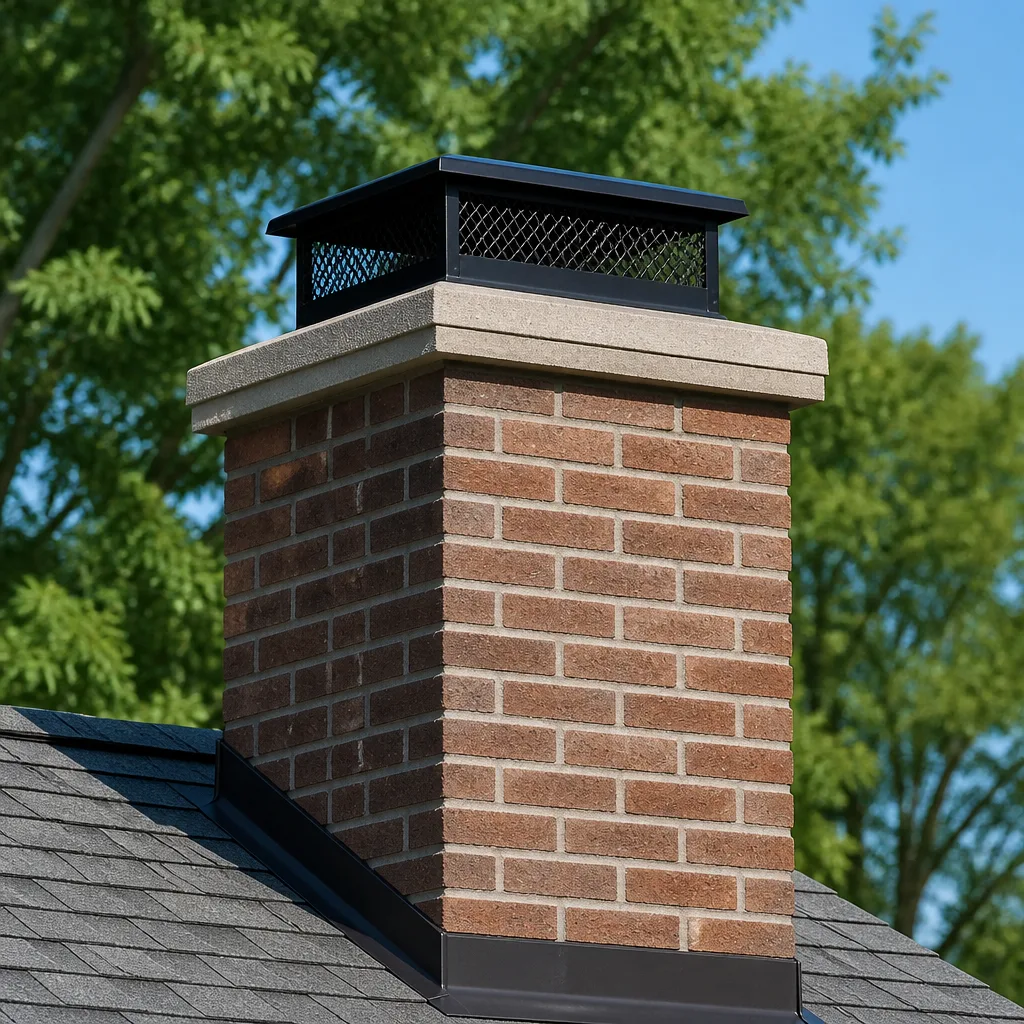
The components that take the most punishment are the ones at the top: the crown, the cap, and the flashing where the chimney meets the roof. A quality cap and flashing, like the Gelco and Famco components we specify, are built for this climate and hold up better than the generic hardware-store alternatives. HeatShield resurfacing is another tool that fits the Tulsa pattern. When a liner isn’t failing but its surface is rough and letting creosote cling, resurfacing can restore it and extend its life without a full relining. When the liner is compromised, DuraFlex and Olympia Chimney liner systems are what we reach for. Professional-grade materials, not hardware-store substitutes.
The practical takeaway for the checklist is this: treat every significant hail or wind event as a prompt to look at the chimney from the ground, and treat the first hard freeze as a prompt to look at the masonry for new cracks. Those two habits catch most of the weather damage before it gets inside the house.
Common Mistakes to Avoid
- Skipping the crown check after spring hail. This is the single most common cause of the water damage we see in Tulsa by summer. The crown is the chimney’s rain hat, and a crack in it is easy to see from the ground and easy to ignore.
- Waiting until the first freeze to book the sweep. Fall is the busiest season for chimney work in Tulsa, and waiting until the first cold week means the work gets pushed later.
- Burning green or unseasoned wood. It burns cooler, deposits more creosote, and sends more water vapor up the flue. Seasoned wood burns cleaner and is easier on the liner.
- Getting on the roof to “take a quick look.” Steep roof work is dangerous, and the view from the ground with binoculars is enough to decide whether a professional visit is needed.
- Treating the cap as optional. A missing cap is an open invitation to water, birds, and squirrels, and a cheap replacement saves an expensive repair later.
- Never checking the firebox after the first burn. The firebox is the early warning system, and a two-minute check after the fire is out catches glazed creosote, cracking brick, and water intrusion before they become a real problem.
- Keeping no records. A chimney with no maintenance history raises questions at resale and complicates an insurance claim. A one-page log fixes both.
See the difference
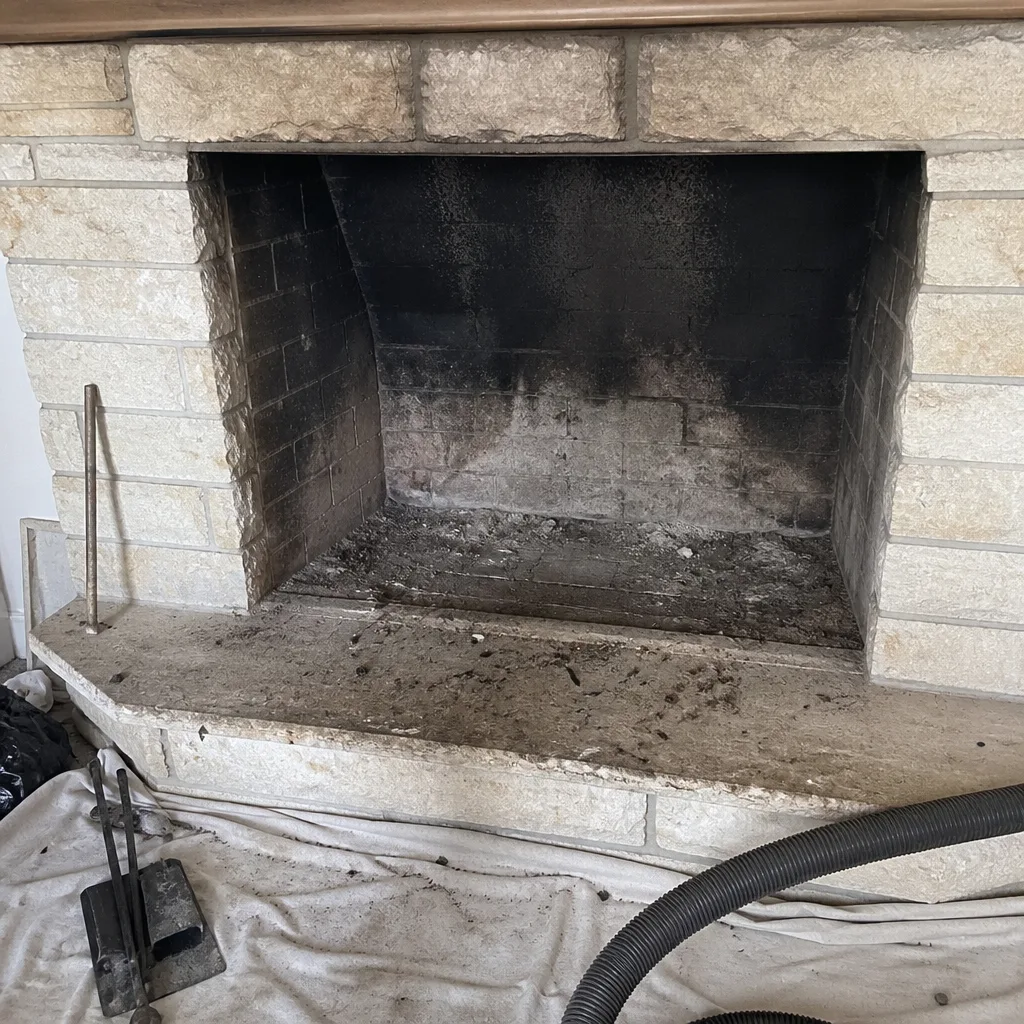 Before
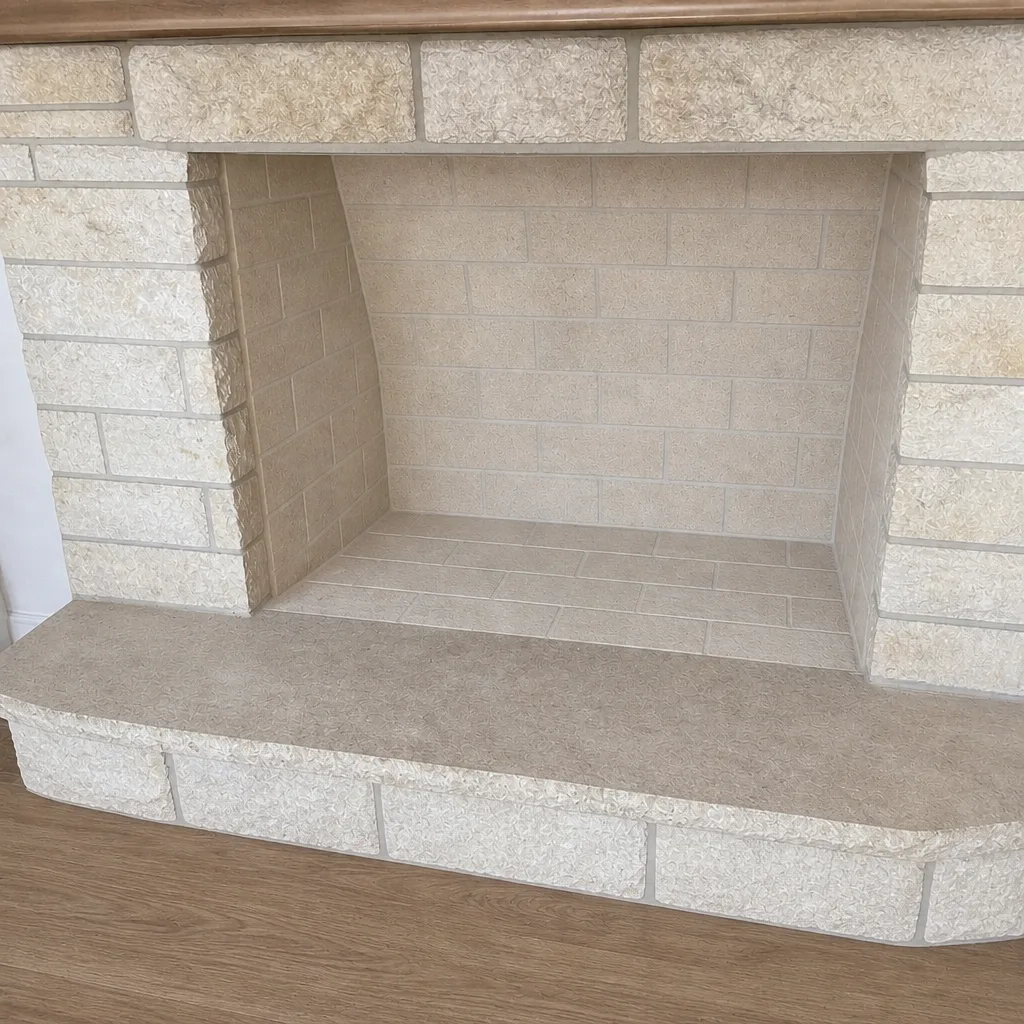 After
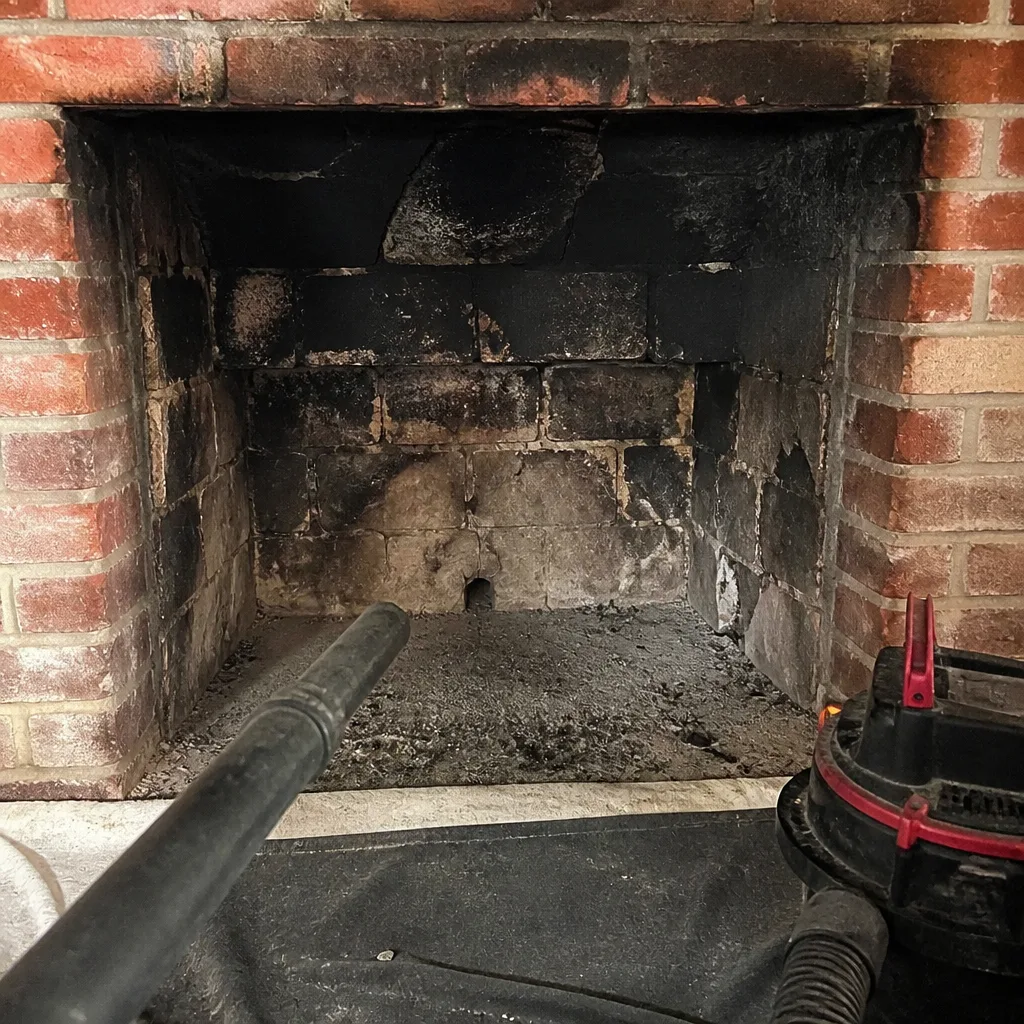 Before
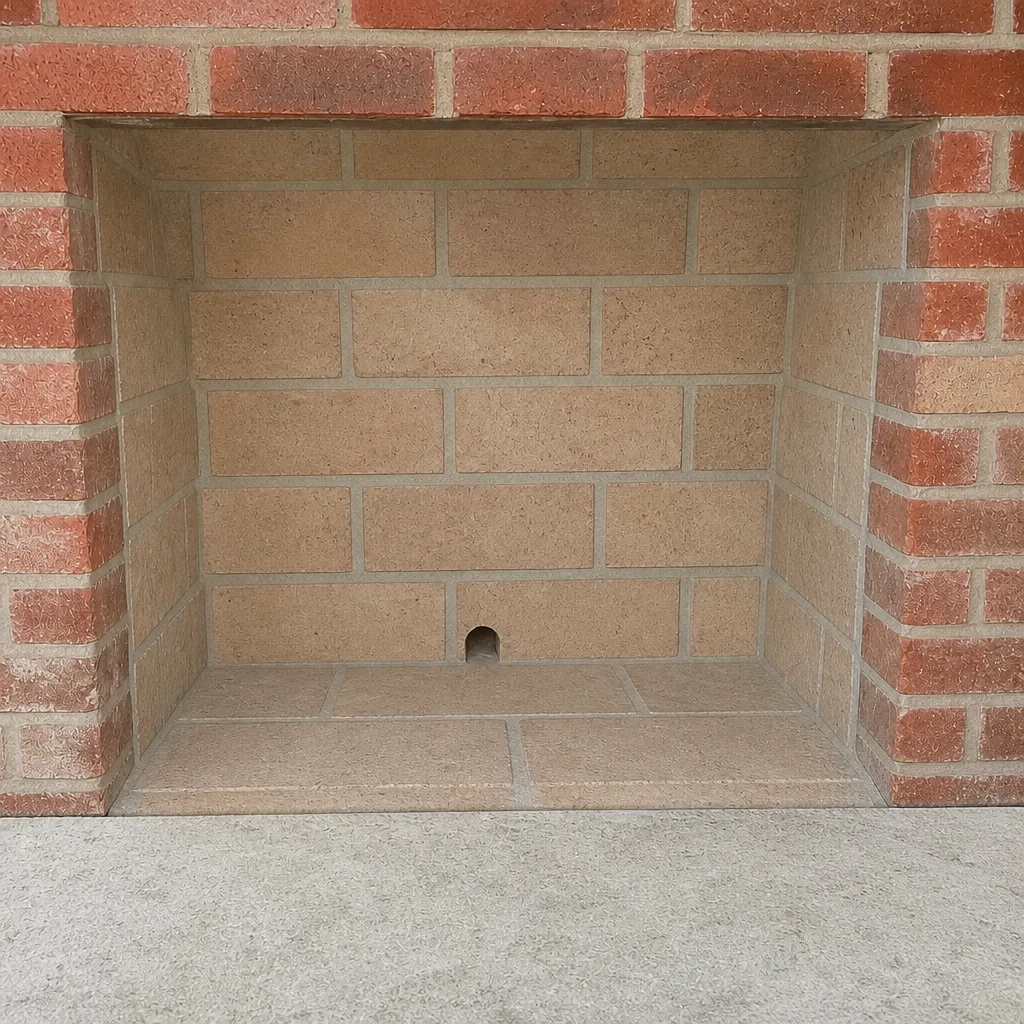 After
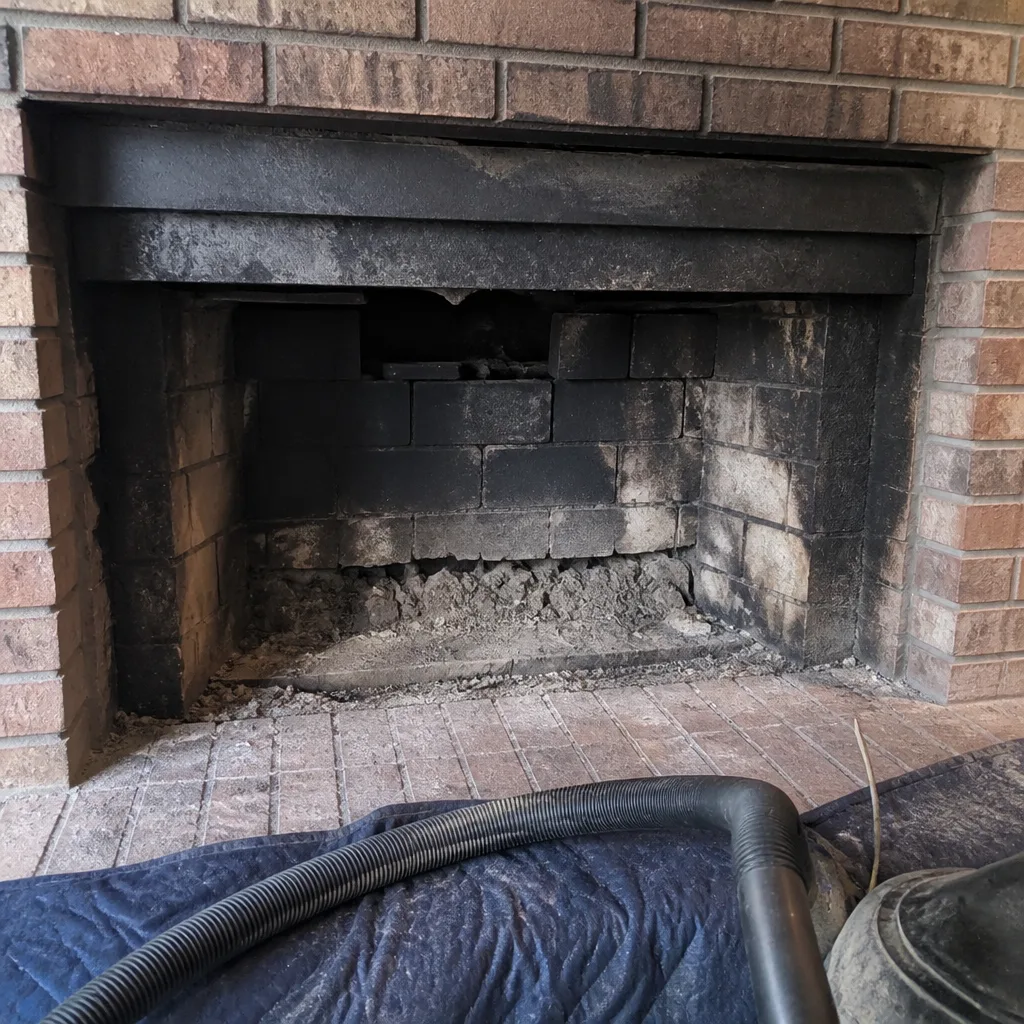 Before
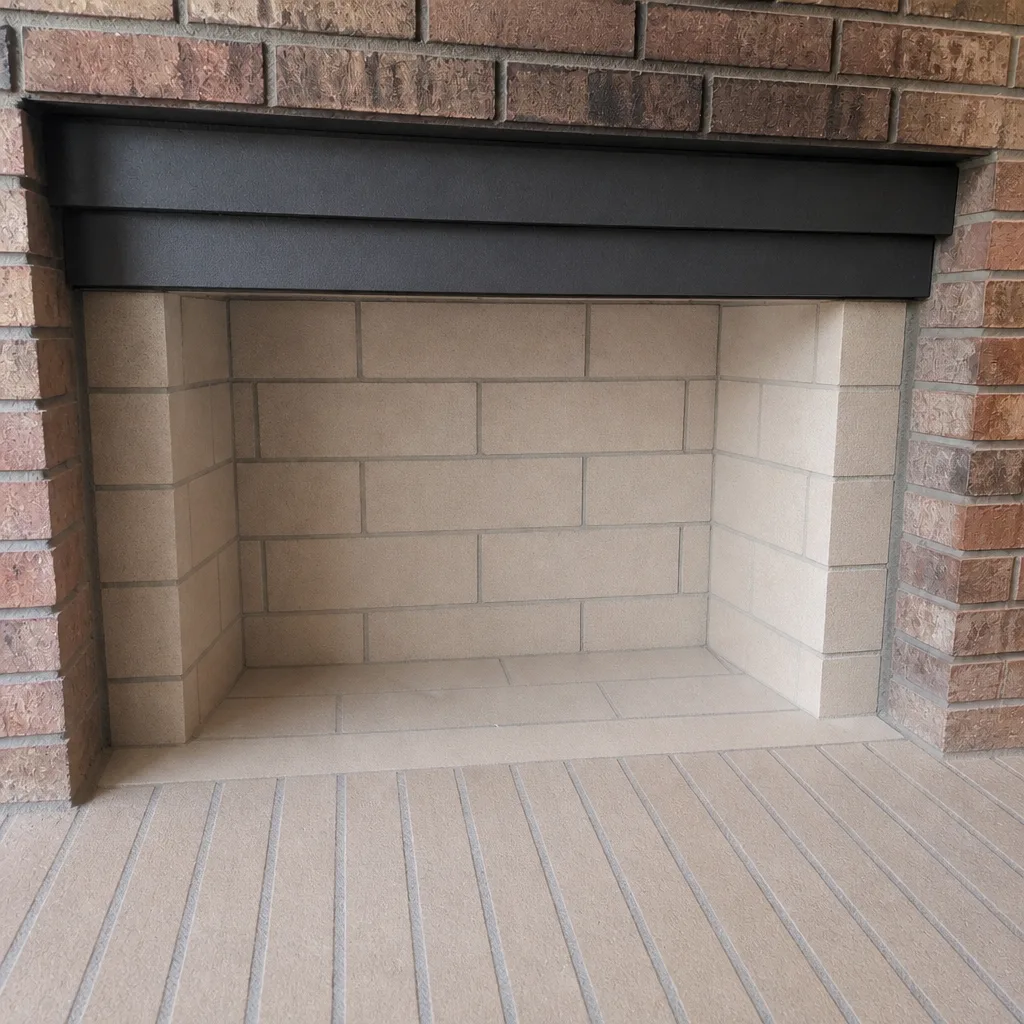 After
When to Call a Professional
Call a professional when a checklist item crosses into one of the trigger categories above: a cracked crown, a missing cap, water stains in the attic, glazed creosote, widening firebrick cracks, a persistent draft problem, rust on the damper, or spalling exterior masonry. Call also if you can’t remember the last sweep, if the fireplace is new to you, or if you’re buying or selling a home in Tulsa with a wood-burning chimney. Those are all jobs for a trained eye and a camera inspection, not binoculars from the ground.
We can also tell you plainly when work can safely wait. Nothing we recommend without camera evidence you can see for yourself, and the written estimate sets the final price. Chimney repair and sweeping are what we do, and the checklist above is what keeps the repair list short. If you’re in the Tulsa area and want a professional eye on the chimney, Tulsa homeowners can call (833) 712-5506 for a free estimate. We answer 24/7. Fast dispatch from 7am to 7pm, Sunday through Friday.
Frequently Asked Questions
Once a year is the standard for most Tulsa homes that burn a cord or two of wood a season, and more often if you burn heavily or burn unseasoned wood. The annual sweep clears the flue and a camera inspection checks the liner, so you can verify the condition rather than guess. If you see glazed or shiny creosote in the firebox, sweep now regardless of the calendar. Call (833) 712-5506 for an exact quote. Estimates are free.
From the ground with binoculars, check the crown for cracks, the cap for dents or displacement, and the flashing where the chimney meets the roof. Then check the attic for water stains after the next heavy rain. A cracked crown after spring hail is the most common cause of the water damage we see in Tulsa by summer. If anything looks off, get a professional inspection before the damage spreads. Call (833) 712-5506 to book one.
Sweeping the flue is a professional job, not a do-it-yourself one. It requires the right brushes, drop cloths, and a camera inspection to verify the result, and the flue interior is not something to inspect from a ladder. The safe homeowner checklist is limited to ground-level observation, the firebox interior, the damper, and the attic. Everything on the roof or inside the flue belongs to a trained technician.
A camera inspection is the only reliable way to know. Glazed creosote, cracks or gaps in the liner, or a liner that’s the wrong size for the appliance are all signs it needs attention. Sometimes resurfacing with HeatShield can restore a rough liner and extend its life without a full replacement. Other times a new liner, such as a DuraFlex or Olympia Chimney system, is the right call. We don’t recommend liner work without camera evidence you can see. Call (833) 712-5506 for an exact quote.
A professional chimney inspection includes a visual check of the accessible parts of the chimney, a camera inspection of the flue, and a photo report so you can see the condition for yourself. It also covers the crown, cap, flashing, firebox, damper, and exterior masonry. The photo report is the single most useful document to keep for resale and insurance. Call (833) 712-5506 to book one.
No. A chimney that hasn’t been swept in a few years can carry enough creosote to create a real fire risk, and it may also have liner damage or a blocked flue that you can’t see. Have it swept and inspected before the next fire. If you’ve already been burning, stop and get it looked at. Call (833) 712-5506. We answer 24/7. Fast dispatch from 7am to 7pm, Sunday through Friday.
The Bottom Line
The most useful chimney checklist for a Tulsa homeowner is one tied to the local weather: crown and cap checks after spring hail, crown and flashing repairs in the summer window, a sweep and inspection before the first fall burn, a firebox check after the first burn of the season, and freeze monitoring through January and February. Keep the line clear between safe homeowner observation and professional work, keep a simple log of everything that gets done, and treat the trigger items, cracked crowns, missing caps, glazed creosote, water stains, and widening firebrick cracks, as reasons to call rather than reasons to wait. Do that and the expensive repairs stay rare.
If you’re ready for a professional eye on the chimney, or you just want to know what condition it’s in, call (833) 712-5506 for a free estimate. We work with professional-grade materials and the full service triad of sweep, repair, and inspection, all from one specialist. We answer 24/7. Fast dispatch from 7am to 7pm, Sunday through Friday.
Written by the team at Tulsa Chimney Cleaning.