
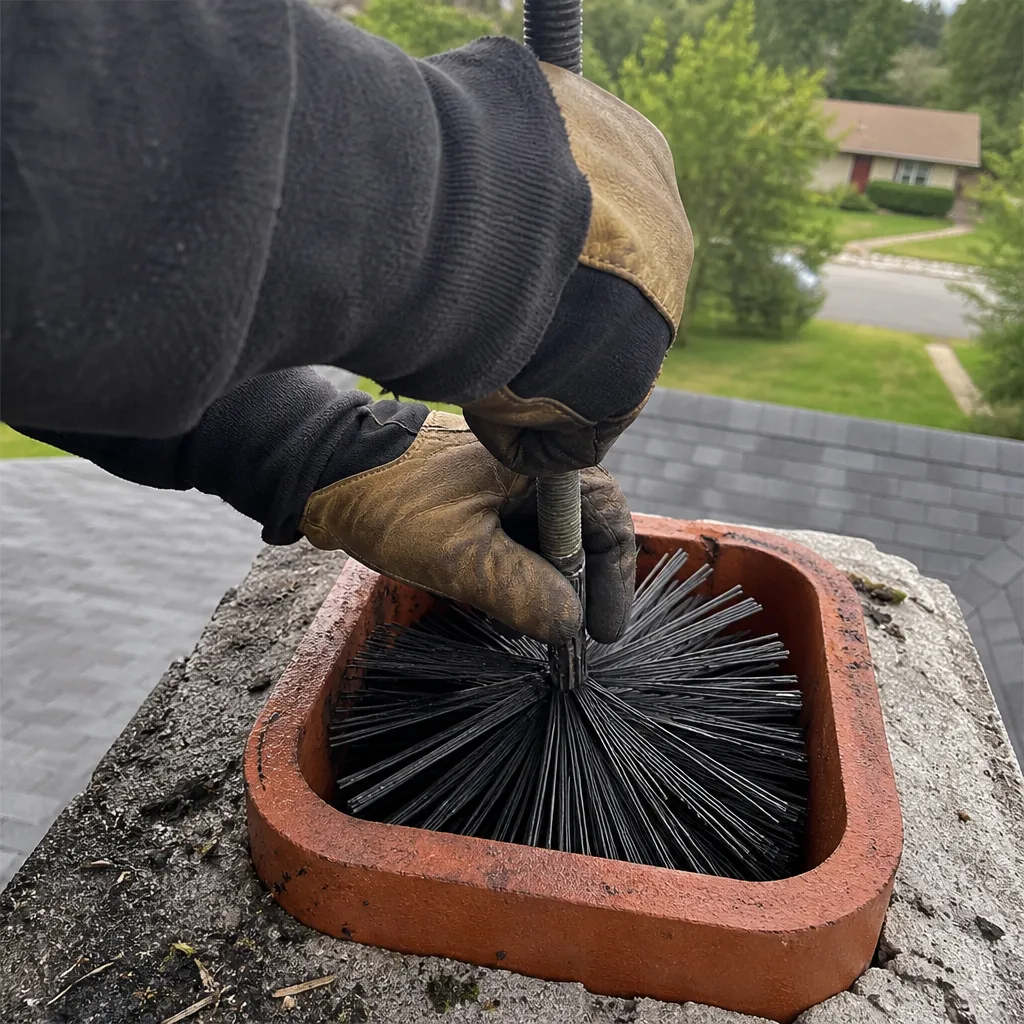
Last updated November 16, 2026
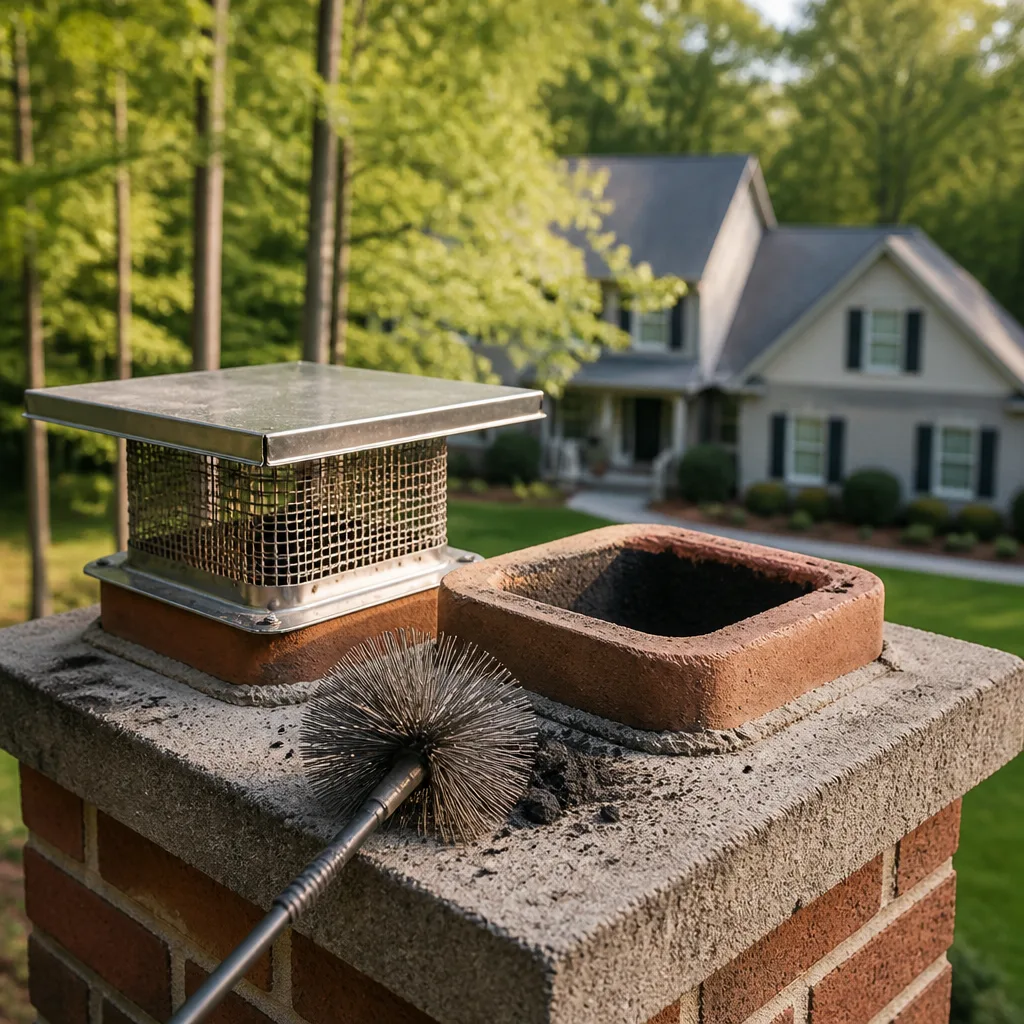 Sweep & inspection
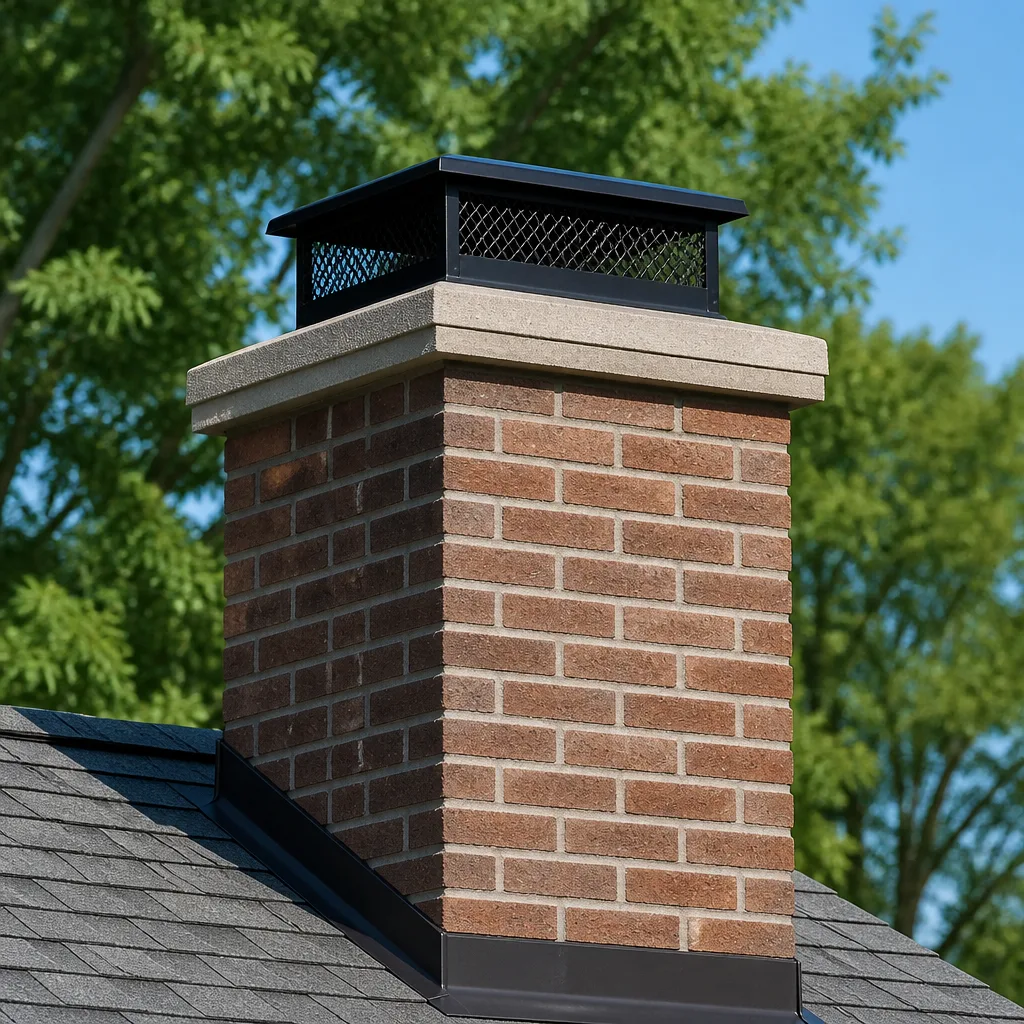 Caps & crowns
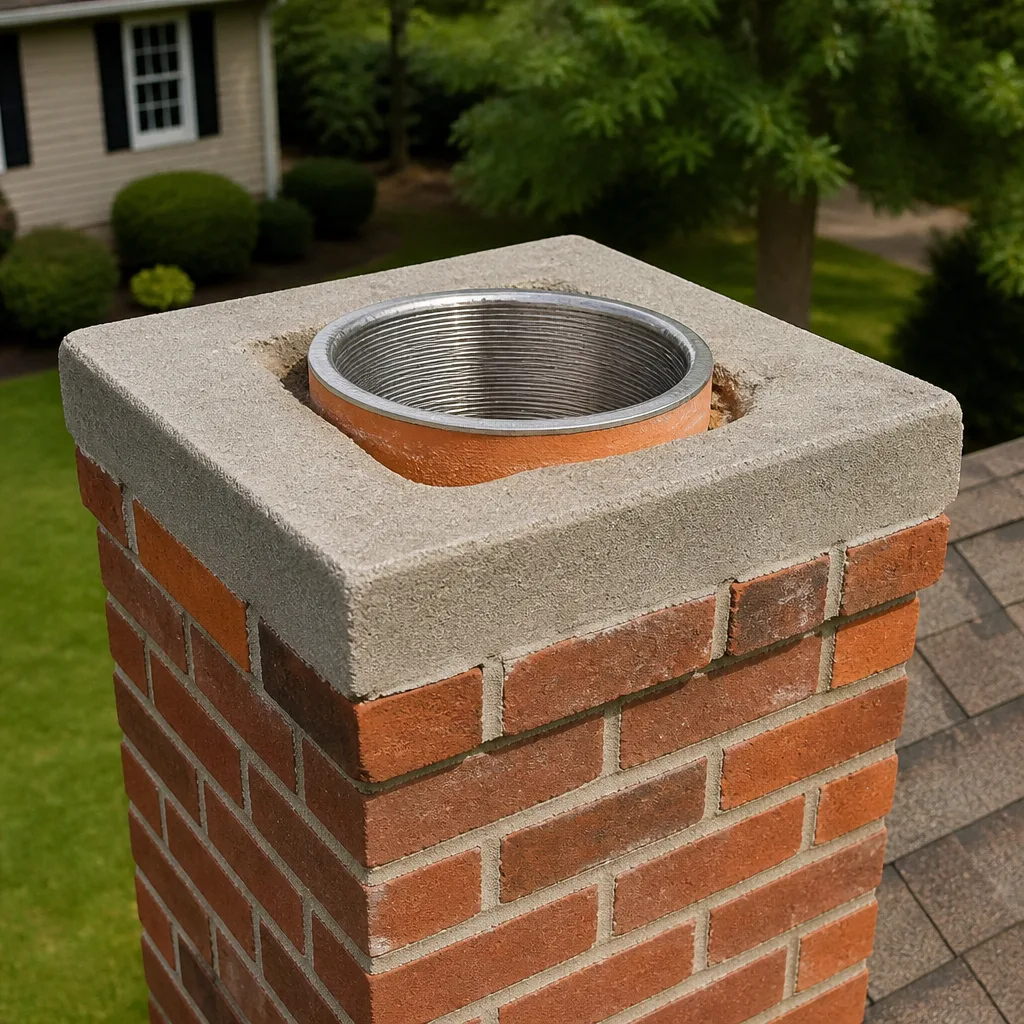 Flue relining
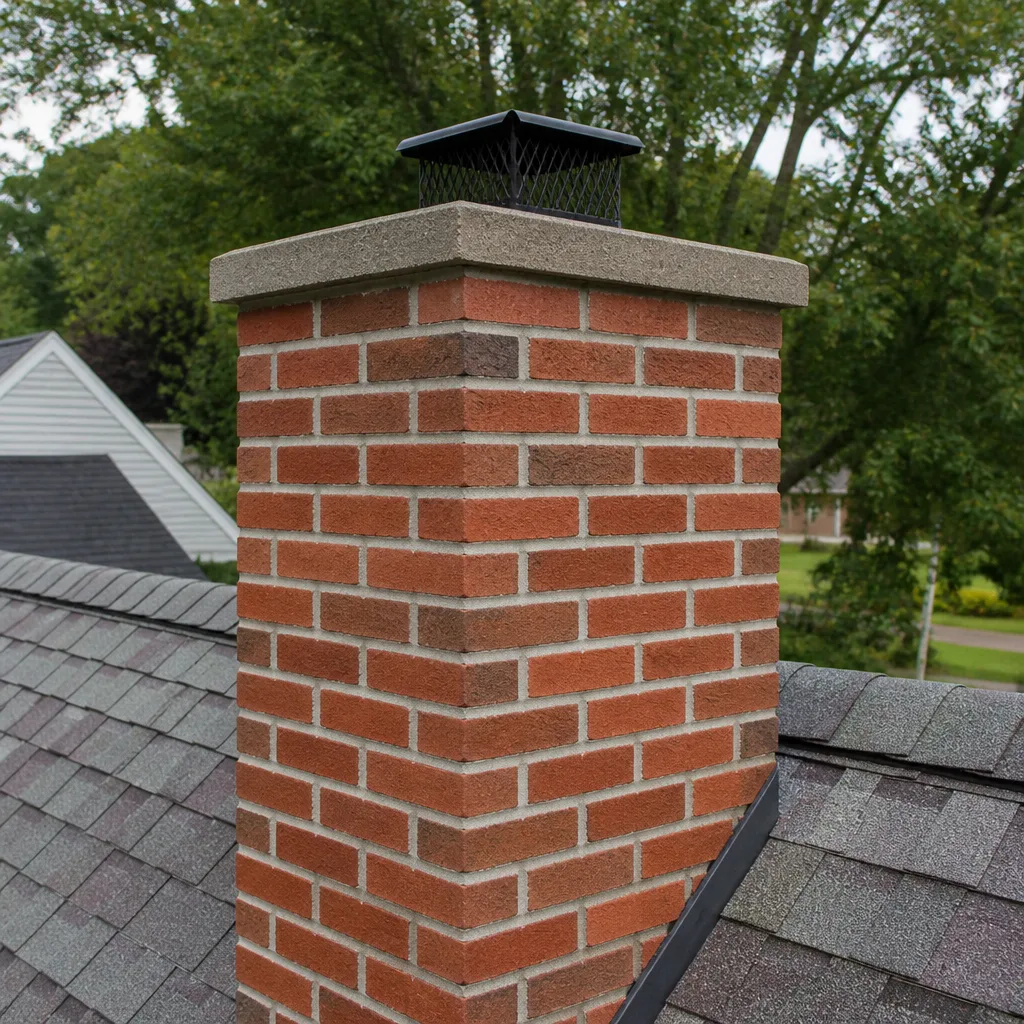 Masonry repair
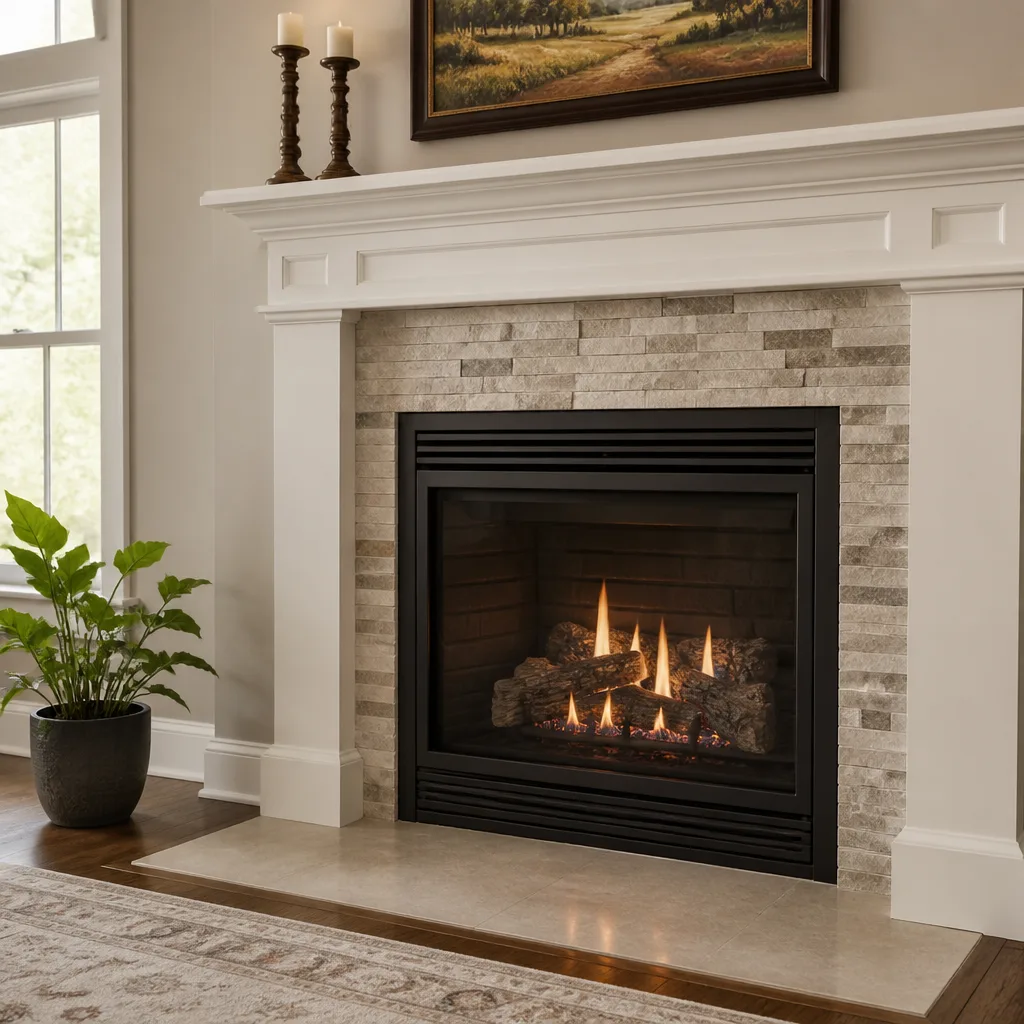 Gas fireplace service
Level 1 sweep and inspection to the NFPA 211 annual standard - flue, crown, cap, and flashing checked and photographed
Chimney sweep logs do not sweep chimneys. They loosen some creosote - which then falls where a brush and vacuum still have to collect it.
Chimney Sweep Troubleshooting in Tulsa: Common Problems and How to Fix Them
If your chimney smokes into the room whenever the wind swings around from the south, that’s usually not a creosote problem. It’s a pressure problem, and no amount of sweeping will cure it. Most of the chimney complaints we hear in Tulsa get misdiagnosed the same way: a homeowner treats one visible symptom, the problem goes quiet for a season, then it comes back because a second cause was still sitting there the whole time. This guide maps symptoms to their real source, so you can read what your fireplace is telling you and know which problems you can safely watch and which ones need a trained eye before you light another fire.
Quick Answer
Most chimney problems in Tulsa trace back to one of three root causes: a blocked or dirty flue, a failing liner, or a pressure and geometry issue that has nothing to do with cleanliness. Creosote odor in summer is usually humidity driving smell out of the flue, not a sign you need more frequent sweeping, and smoke that only appears in certain wind conditions points to a drafting problem a sweep alone won’t fix. Getting a camera inspection first tells you which one you’re actually dealing with.
Styles & brands we work with
- Sweep & inspection
- Caps & crowns
- Flue relining
- Masonry repair
- Gas fireplace service
Table of Contents
- How to Read Your Smoke Before You Call Anyone
- Why Tulsa’s Flat Terrain and Spring Winds Create Pressure Problems
- Draft, Liner, or Firebox: Telling the Three Root Causes Apart
- Why Your Chimney Smells in Summer (And Why Sweeping Won’t Fix It)
- Creosote: The Problem Behind Most Chimney Fires
- Water, Caps, and the Weather Protection Tulsa Chimneys Need
- What You Can Safely Monitor vs. What Needs a Sweep
- Common Mistakes to Avoid
How to Read Your Smoke Before You Call Anyone
Smoke is data. Before you pick up the phone, watch how your fireplace behaves for a few fires and note the pattern. Direction, speed, and color each tell you something different, and the combination usually narrows the cause down to a short list before anyone climbs on the roof.
Here’s how to read the cues:
- Smoke that rolls out slowly and lingers at the top of the firebox usually means weak draft. The flue isn’t pulling hard enough, often because it’s cold, blocked, or undersized for the opening.
- Smoke that puffs out in bursts, matching gusts outside points to pressure. Wind is overcoming the flue, and this is common on Tulsa homes where the chimney sits below the roofline of a taller neighbor or a nearby tree line.
- Smoke that spills only when you first light the fire, then settles is often a cold-flue problem. The fix is warming the flue before you build a full fire.
- Gray or white smoke with a sharp, acrid smell suggests you’re burning green or wet wood. In Tulsa’s humidity, firewood left uncovered soaks up moisture fast.
- Dark, dense smoke with a strong tar smell points to incomplete combustion and rapid creosote buildup. That’s a stop-and-inspect situation.
Write down what you see and when. “Smokes when the wind is from the south” is a far more useful note for a technician than “sometimes smokes.” A trained sweep can use that detail to check the right things first instead of guessing. Our technicians have up to 10 years of experience reading exactly these patterns, and the note you bring saves time on the diagnosis.
Why Tulsa’s Flat Terrain and Spring Winds Create Pressure Problems
Tulsa sits on rolling-to-flat terrain with few natural windbreaks, and that matters for how your chimney breathes. Wind moving across open ground hits the top of a flue and can push air back down it. When the pressure at the top of the chimney is higher than the pressure inside the house, smoke has nowhere to go but into the room. This is why some Tulsa homeowners get smoke only on windy spring days and a perfectly clean fire the rest of the year.
Several local conditions stack up to cause this:
- Open exposure. Homes on flatter lots or at the edge of a neighborhood catch more direct wind than sheltered properties. The flue termination takes the full force.
- Roofline competition. A chimney that ends below a taller adjacent roofline, a dormer, or a mature tree sits in a low-pressure pocket. Smoke gets pulled toward the house instead of away.
- Tight modern homes. Newer construction is sealed tightly. A house that can’t draw make-up air will starve the fire, and the flue loses its pull.
- Spring wind shifts. Tulsa’s spring weather swings direction and speed quickly. A chimney that drafts fine in calm air can fail when a gust tops the flue.
The fix for a pressure problem is rarely a cleaning. It’s usually a cap designed to stabilize draft, a change to the termination height, or addressing make-up air inside the house. A chimney repair visit that includes a proper cap from a brand like Gelco or Famco can do more for a wind-driven smoke problem than three sweepings ever will.
Draft, Liner, or Firebox: Telling the Three Root Causes Apart
Almost every “my chimney doesn’t work right” complaint comes down to one of three systems failing: the draft path, the liner, or the firebox geometry. They can look identical from the couch, but they need completely different fixes, and treating the wrong one is the single most common reason a chimney problem keeps coming back.
Draft problems
Draft is airflow. If the flue is the right size but the fire still won’t pull, the issue is pressure, temperature, or a partial obstruction. A cold flue, a blocked cap, or a house that’s too tight all show up here. The tell: the fire burns fine once it’s roaring but struggles to start, and smoke at lighting is your main complaint.
Liner problems
The liner is the flue’s inner wall. Cracks, gaps, or a liner that’s the wrong size for the appliance cause smoke, poor draft, and a real safety risk because combustion gases can escape into the house. The tell: smoke that appears even in calm weather, or a smell of exhaust in rooms near the chimney. A camera inspection is the only reliable way to confirm this. HeatShield resurfacing can restore a liner that’s damaged but structurally sound, which often saves homeowners a full relining job. When a full liner is needed, systems like Olympia Chimney get specified because they’re built to the trade’s standards, not the hardware-store version.
Firebox geometry problems
The firebox is the opening where the fire sits. If it’s too wide, too shallow, or the smoke shelf is built wrong, smoke spills no matter how clean the flue is. The tell: smoke rolls out the top of the opening consistently, even with a clean, correctly sized flue and good draft. This is a build problem, not a maintenance one, and the fix is a change to the firebox or the addition of a properly sized insert.
If you’re not sure which of the three you have, that’s the point at which a professional inspection pays for itself. Guessing between these three is how homeowners end up paying twice.
Why Your Chimney Smells in Summer (And Why Sweeping Won’t Fix It)
That damp, campfire smell drifting out of the fireplace in July is one of the most misdiagnosed problems in Tulsa. Homeowners assume it means the chimney needs sweeping again. It usually doesn’t. Summer odor is a humidity problem, and it’s driven by the same sticky air that makes Tulsa summers feel heavy.
Here’s what’s actually happening. Creosote and soot left on the flue walls absorb moisture from the air. When the outdoor air gets hot and humid and the house stays cooler, the chimney can act like a slow reverse-draft, pulling damp, smoky-smelling air down into the living space. The deposit is the sponge; the humidity is what wrings it out. Sweeping removes the deposit, which helps, but if you sweep in spring and the smell comes back in August, the sweep wasn’t the cure.
What actually resolves it:
- Reduce the moisture source. A properly fitted cap keeps rain out of the flue, and that alone cuts summer odor noticeably. Gelco and Famco caps are built for long-term weather protection, which is exactly what a humid climate demands.
- Close the damper when the fireplace is out of use. An open damper is an open door for humid air.
- Address the deposit, not just the smell. A sweep before the season removes the material the humidity feeds on.
- Seal the flue if the fireplace is truly retired. If you never burn, a proper flue seal stops the draft path entirely.
The takeaway: summer odor is a humidity and draft issue, not a cleaning-frequency issue. Sweeping more often than once a year won’t fix a smell that’s coming from moisture and a leaky cap.
Creosote: The Problem Behind Most Chimney Fires
Creosote is the residue of incomplete combustion, and it’s the leading cause of chimney fires. It builds up in three forms: a light soot you can brush away, a crusty flaky layer, and a hard, glazed tar that’s the most dangerous because it ignites at lower temperatures and burns hot. The glazed form is the one that turns a routine sweep into a serious repair.
What drives buildup faster in Tulsa:
- Burning unseasoned wood. Our humid climate makes it easy to store firewood too wet. Wet wood burns cooler and smolders, and smoldering produces more creosote than a hot fire.
- Restricted air. A tight house or a closed damper starves the fire, and a starved fire deposits more residue.
- Infrequent sweeping. The National Fire Protection Association recommends chimneys be inspected annually and swept as needed. For most wood-burning households, that means a sweep about once a year, more if you burn heavily.
We won’t give you a do-it-yourself method for handling glazed creosote, because removing it safely requires the right tools and a trained hand, and a chimney fire is not a risk worth gambling on. What you can do is watch for the warning signs: a strong tar smell, flaky black deposits visible above the damper, or smoke that behaves differently than it used to. Those are reasons to book a sweep before the next fire, not after. If you’re due, a professional chimney sweep with a camera will show you exactly what’s in the flue so you’re not guessing.
Water, Caps, and the Weather Protection Tulsa Chimneys Need
Water does more long-term damage to a Tulsa chimney than fire does. Between spring storms, summer humidity, and the freeze-thaw swings of winter, a chimney without proper weather protection takes on moisture year after year, and that moisture breaks down mortar, rusts dampers, and shortens the life of the liner. Most of the “mystery” chimney problems we get called about trace back to water that got in through an unprotected top.
The protective layer that matters most:
- A properly fitted cap. It keeps rain, snow, and animals out while still letting smoke escape. A missing or damaged cap is an open invitation for water and wildlife.
- Sound flashing. Where the chimney meets the roof, flashing is the seal that stops leaks. Cracked or lifted flashing lets water run down into the structure.
- A crown in good repair. The concrete top of the chimney sheds water away from the flue. A cracked crown channels water straight into the masonry.
We install caps and flashing components from Gelco and Famco because they’re commercial-quality weather protection built to last, not the thin stamped versions you find at a big-box store. For a Tulsa chimney, that difference shows up after a few seasons of storms and freeze-thaw cycles. If you’ve never had your cap or crown checked, it’s one of the cheapest forms of protection you can add.
What You Can Safely Monitor vs. What Needs a Sweep
Not every chimney symptom demands an immediate visit. Some are things a careful homeowner can watch over a season, and knowing the difference keeps you from either panicking over nothing or ignoring something serious. The line between the two comes down to safety: if the symptom could mean escaping combustion gases or a fire risk, it’s a call, not a wait.
Safe to monitor
- Occasional smoke at lighting. A cold flue is normal. Watch whether it clears once the fire is established.
- Summer odor. Unpleasant but not dangerous on its own. Note whether it worsens and check your cap.
- Slight smoke on the windiest days. Track which wind direction triggers it and mention it at your next inspection.
- A single drafty fire. Could be wet wood or a cold day. Try dry, seasoned wood before assuming a structural problem.
Call a professional
- Any smell of exhaust or gas in the house near the chimney. That can mean combustion gases are escaping, which is a carbon monoxide risk. Stop using the fireplace and get it inspected.
- Smoke that spills consistently, in all weather. That points to a liner or firebox problem you can’t diagnose from the couch.
- Visible glazed or flaky creosote above the damper. That’s a fire risk and needs a sweep before the next burn.
- Water stains, crumbling mortar, or rust in the firebox. These signal moisture damage that gets worse the longer it sits.
- It’s been more than a year since your last inspection. Annual inspection is the baseline, not an emergency, but it’s how problems get caught early.
When in doubt, an inspection settles it. It’s the difference between knowing and guessing, and it’s free to get a straight answer on what your chimney actually needs.
Common Mistakes to Avoid
- Treating a pressure problem as a cleaning problem. If smoke only shows up on windy days, sweeping won’t fix it. Have the cap and termination checked, because that’s where pressure problems live.
- Sweeping more often to fix summer odor. Summer smell is humidity and reverse-draft, not leftover soot. Fix the cap and close the damper before you schedule extra sweeps.
- Burning wet or green firewood. In Tulsa’s humid climate, wood stored uncovered soaks up moisture and produces far more creosote. Season it dry and keep it covered.
- Ignoring a glazed creosote layer. The hard, shiny creosote is the most flammable form. Brushing it off yourself is not a safe job, so book a sweep before the next fire.
- Skipping the annual inspection because the fire “seems fine.” Fireplaces often work fine right up until they don’t. A camera inspection catches liner cracks and blockages you can’t see from below.
- Assuming a general handyman can fix chimney problems. Chimney work is a specialty. A generalist may not have the camera equipment, the liner knowledge, or the trade-grade materials to do it right the first time.
- Letting a missing cap go unrepaired through a storm season. Water intrusion is slow and expensive. A cap is one of the cheapest fixes in chimney work and one of the most protective.
See the difference
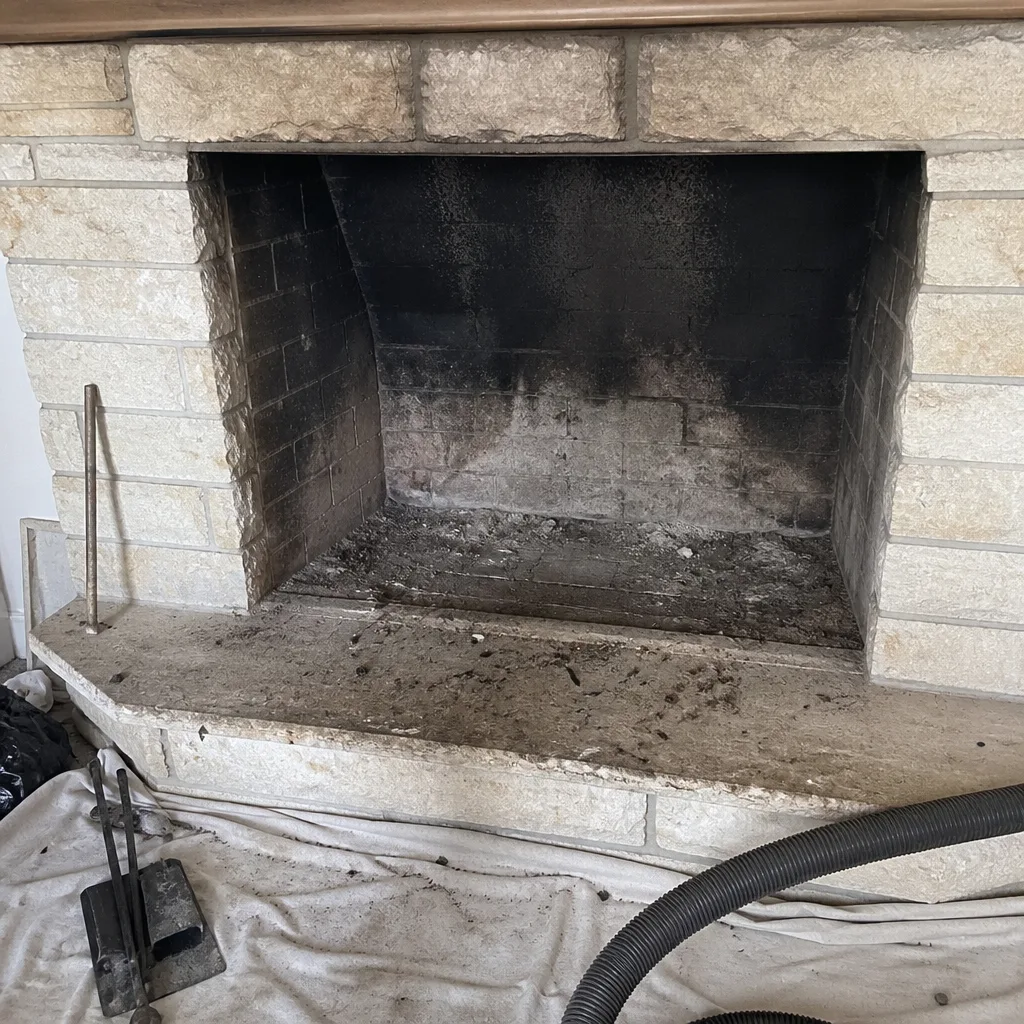 Before
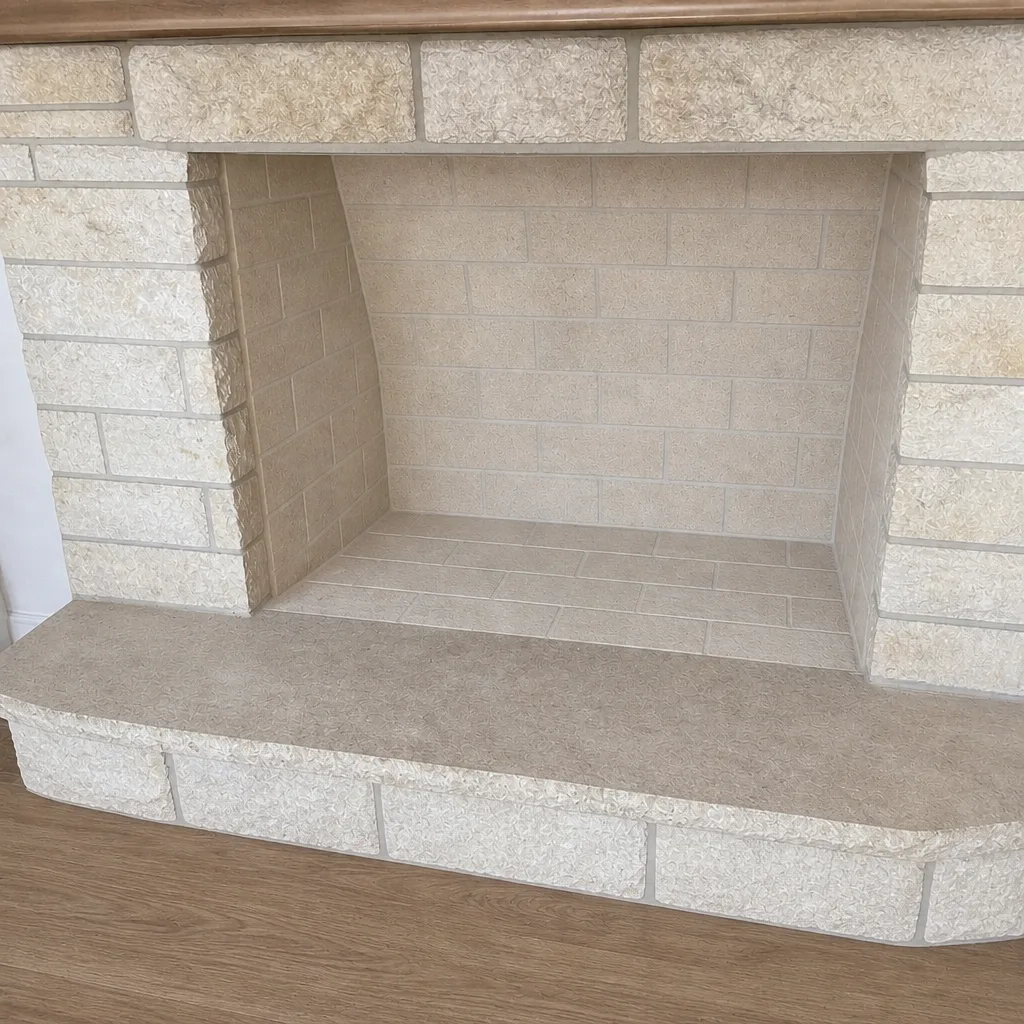 After
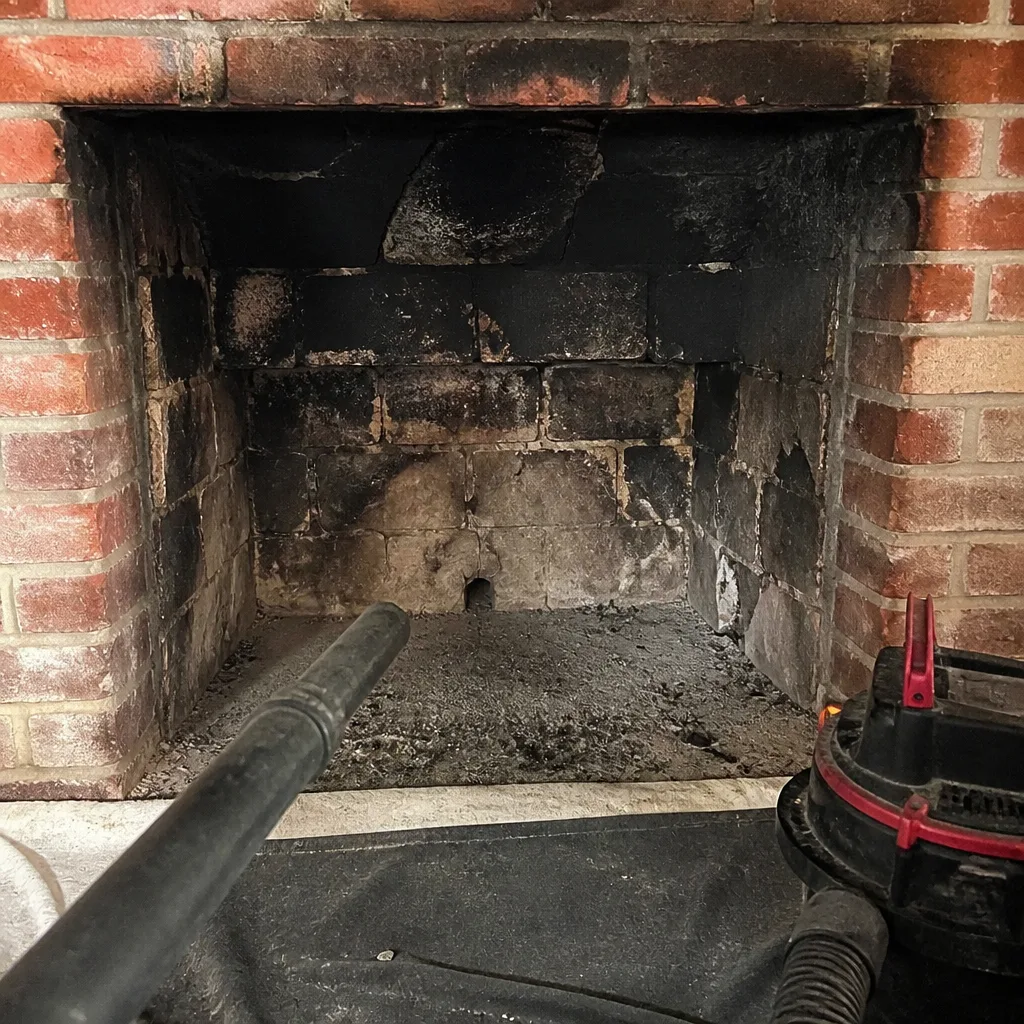 Before
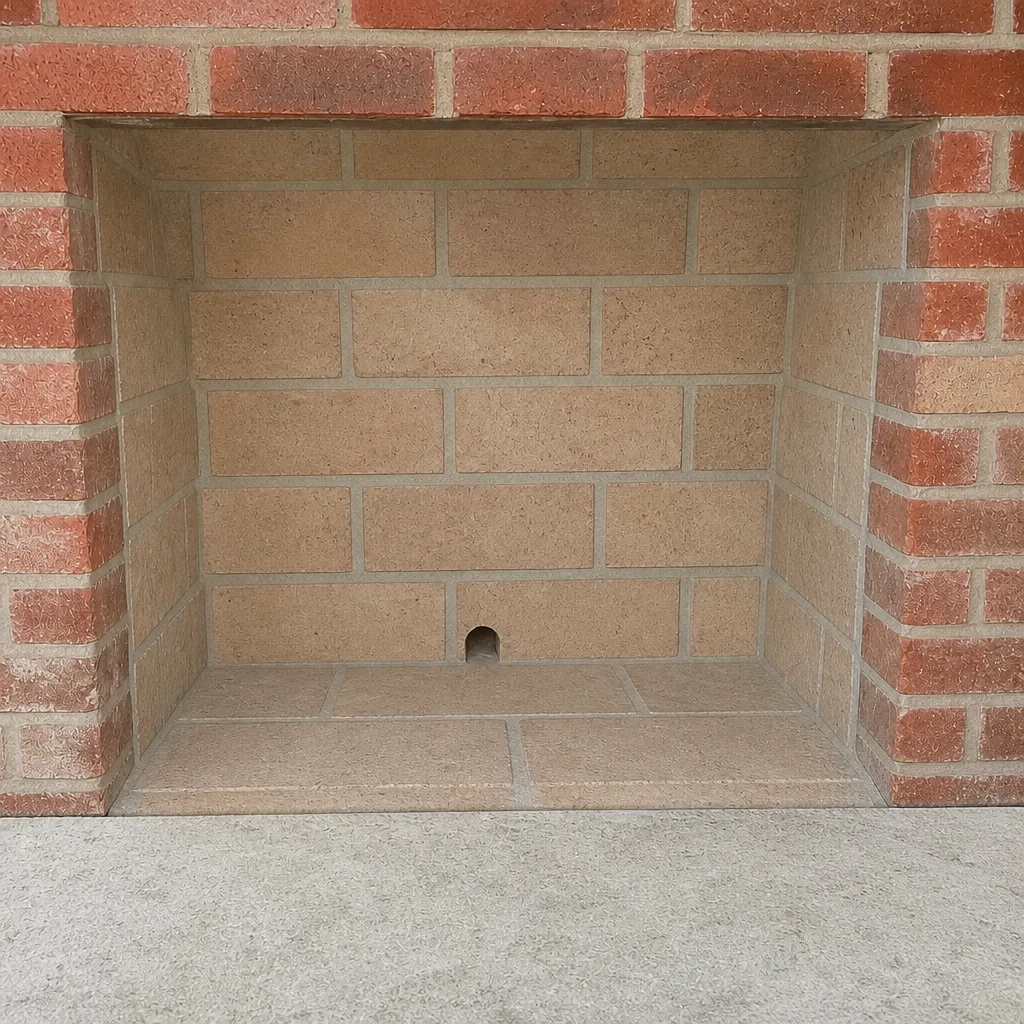 After
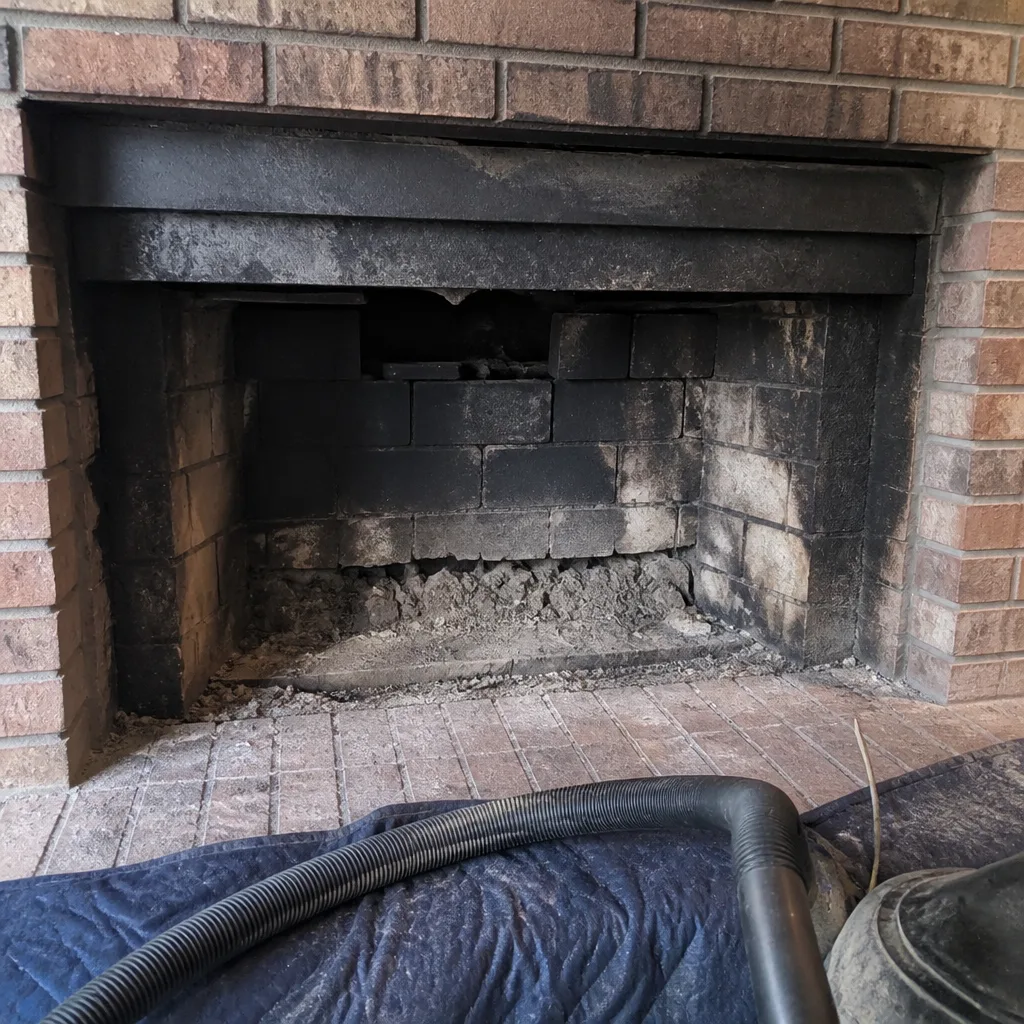 Before
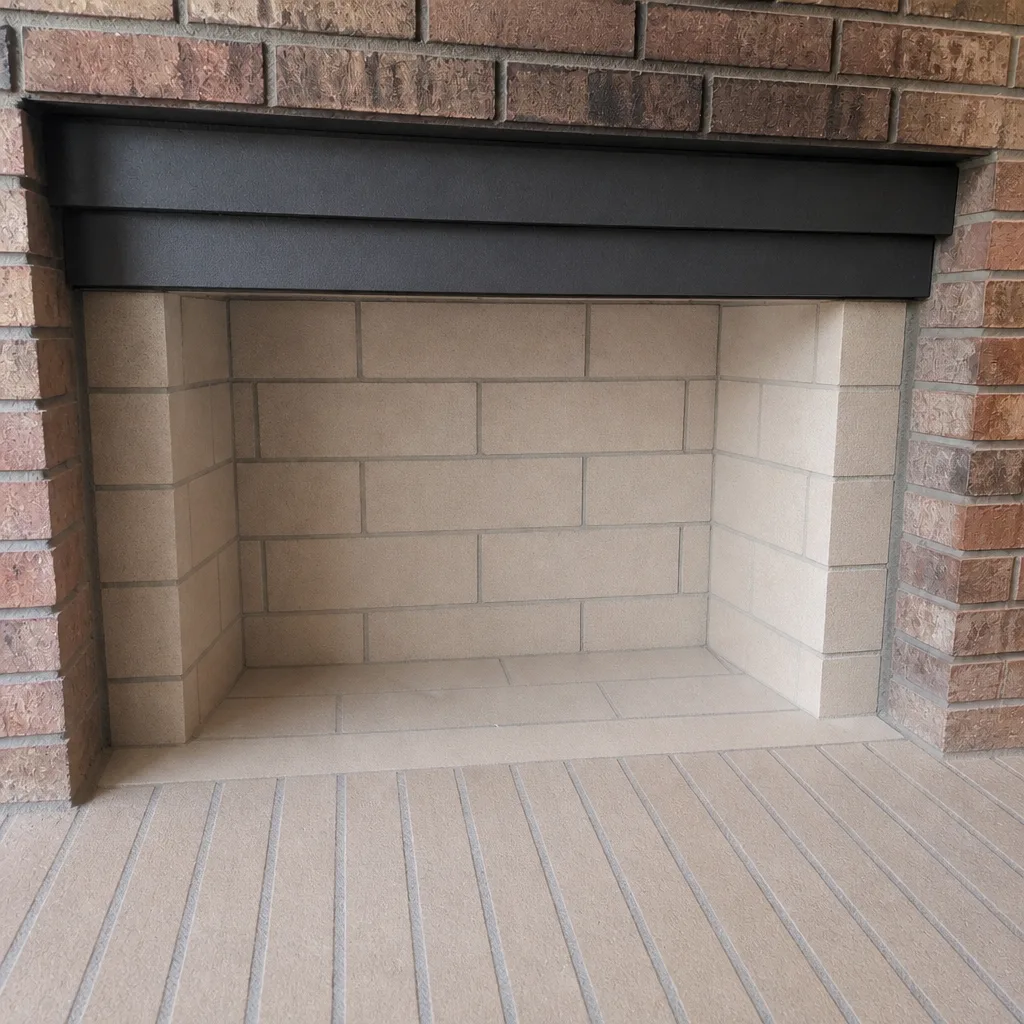 After
When to Call a Professional
Call a professional when the symptom could mean escaping combustion gases, a fire risk, or a structural failure you can’t see. Specifically: any exhaust or gas smell in the house near the chimney, smoke that spills consistently in calm weather, visible glazed creosote above the damper, water stains or crumbling mortar, or a fire that suddenly drafts worse than it used to. Those are all signs that point to a liner, firebox, or moisture problem a trained sweep needs to inspect with a camera. If it’s simply been over a year since your last inspection, that’s a call too, because annual inspection is the routine that catches everything else early. Tulsa Chimney Cleaning offers free estimates in Tulsa and can sweep, repair, and inspect in one visit. Call (833) 712-5506. We answer 24/7. Fast dispatch from 7am to 7pm, Sunday through Friday.
Frequently Asked Questions
Wind-driven smoke is almost always a pressure problem, not a cleanliness one. When wind tops the flue, it can push air back down the chimney, and no amount of sweeping stops that. The fix is usually a draft-stabilizing cap, a change to the termination height, or addressing make-up air in a tight house. A proper cap from a brand like Gelco or Famco is often the first thing we check on a Tulsa home with wind-driven smoke.
Summer odor is usually humidity, not a dirty flue. Creosote absorbs moisture from the air, and a hot house with a cooler chimney can pull that damp, smoky smell down into the room. Sweeping once helps, but the real fix is a properly fitted cap, a closed damper when the fireplace is out of use, and addressing the deposit if the smell persists. If the odor comes back every August, the sweep wasn’t the cure.
The pattern of the smoke tells you. Smoke that struggles only at lighting is usually draft. Smoke that spills in calm weather or comes with an exhaust smell points to the liner. Smoke that rolls out the top of the opening consistently, even with a clean flue, is often firebox geometry. A camera inspection is the reliable way to know which one you’re dealing with, because the three need completely different fixes.
Not every damaged liner needs full replacement. If the liner is cracked or has gaps but the structure is sound, HeatShield resurfacing can restore it and extend its life without a complete relining. For liners that are beyond restoration, systems like Olympia Chimney get specified because they’re built to the trade’s standards. The only way to know which you need is a camera inspection that shows you the evidence.
Most wood-burning households need a sweep about once a year, and every chimney should be inspected annually. If you burn heavily, burn unseasoned wood, or have a tight, well-sealed house, you may need a sweep more often because those conditions build creosote faster. The inspection is what tells you whether you need a sweep this season or can wait.
Skipping maintenance lets creosote accumulate and lets small liner or moisture problems grow into expensive repairs. The serious risks are chimney fires from glazed creosote and carbon monoxide from a cracked liner letting combustion gases escape into the house. Those are the reasons an annual inspection and a sweep when needed aren’t optional for a wood-burning fireplace. Call (833) 712-5506 for an exact quote on an inspection; estimates are free.
The Bottom Line
Most chimney problems in Tulsa aren’t one thing. They’re two or three overlapping causes, and treating the visible symptom is why the problem returns. Wind-driven smoke is pressure, not creosote. Summer odor is humidity, not cleaning frequency. Smoke that spills in calm weather points at the liner or the firebox, and those need a camera inspection, not a guess. Read your smoke, note the pattern, and let the evidence decide the fix. We work with professional-grade brands like HeatShield, Gelco, Olympia Chimney, and Famco because the right materials solve the problem correctly the first time. If you want to know what your chimney actually needs, our team at Tulsa Chimney Cleaning can sweep, repair, and inspect inside Tulsa and give you a straight answer based on what the camera shows. Call (833) 712-5506 for a free estimate. We answer 24/7. Fast dispatch from 7am to 7pm, Sunday through Friday. Explore Tulsa Chimney Cleaning to see the full range of what we do.
Written by the team at Tulsa Chimney Cleaning.