
Last updated November 16, 2026
 Sweep & inspection
 Caps & crowns
 Flue relining
 Masonry repair
 Gas fireplace service
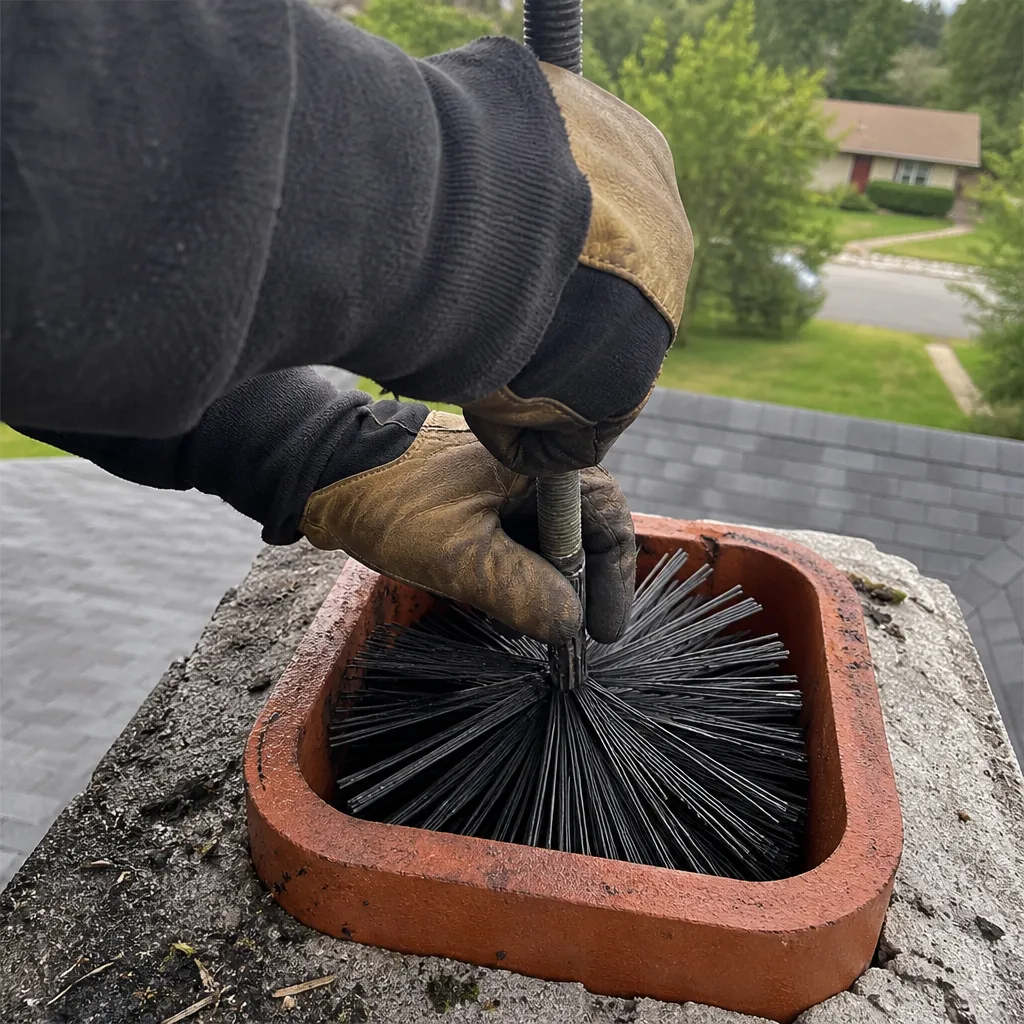
Level 1 sweep and inspection to the NFPA 211 annual standard - flue, crown, cap, and flashing checked and photographed
Chimney sweep logs do not sweep chimneys. They loosen some creosote - which then falls where a brush and vacuum still have to collect it.
Chimney Sweep Maintenance Schedule: What to Do and When
The standard advice you’ll hear is “sweep your chimney at least once a year,” and that’s a fine starting point. But it’s a floor, not a ceiling, and treating it as a fixed rule gets a lot of Tulsa homeowners into trouble in both directions: some pay for unnecessary work, while others under-protect a chimney they run hard all winter. The right schedule depends on what you burn, how often you burn it, and what your flue is made of. This guide gives you a calendar built around how you actually use your fireplace, with inspection levels, timing for the Tulsa climate, and the parts most people forget.
Quick Answer
Most wood-burning fireplaces need a professional sweep once a year, done before the heating season starts. Gas logs and rarely used fireplaces can often stretch to every two years with an annual visual check, while a wood stove run daily through the winter may need sweeping twice, or sooner if creosote builds up. Pair the sweep with the right inspection level, and schedule it before Tulsa’s first hard freeze.
Styles & brands we work with
- Sweep & inspection
- Caps & crowns
- Flue relining
- Masonry repair
- Gas fireplace service
Table of Contents
- Start With Your Fuel, Not the Calendar
- Maintenance Intervals for Wood-Burning Fireplaces
- Gas Logs, Pellet Inserts, and Wood Stoves: Different Rules
- Inspection Levels and Where They Fit in Your Schedule
- Why Timing Matters More in Tulsa
- The Components Most Homeowners Leave Out
- Keep a Burn Log That Does Real Work
- Building Your Annual Calendar
Start With Your Fuel, Not the Calendar
Creosote is the whole reason sweeping matters, and the amount you produce depends mostly on what goes into the firebox. Creosote is a tar-like residue that condenses inside the flue as smoke cools. It’s flammable, and it comes in forms from a light soot you can brush away to a glazed, hardened layer that takes real work to remove. The National Fire Protection Association’s “at least once a year” recommendation assumes a wood-burning fireplace used regularly through the season. Your actual accumulation depends on several variables.
- Seasoned hardwood burns hot and clean, producing less creosote. If you burn dry hardwood and keep good airflow, a once-a-year sweep usually keeps up.
- Unseasoned or “green” wood carries moisture that cools the smoke and deposits far more creosote. Burning wet wood all winter can push you toward two sweeps, or a mid-season check.
- Gas logs produce almost no creosote, but they can leave behind dust, spider webs, and corrosion in the flue. They still need inspection, just less sweeping.
- Pellet inserts burn efficiently but generate fly ash that can clog the flue over a long season, so they need their own attention.
- Wood stoves run hot and long, and how you damp them down changes everything. A stove choked down to smolder overnight makes far more creosote than one burned hot.
In our experience, the single biggest factor is burn frequency. A fireplace lit a few times a season simply doesn’t build the same deposits as one that’s the main heat source from October through March. That difference is why a blanket “once a year” rule doesn’t fit every home.
Maintenance Intervals for Wood-Burning Fireplaces
For a traditional open wood-burning fireplace, a yearly sweep is the baseline. If you burn a cord or more a season and use seasoned hardwood, that annual sweep plus a visual check holds up well. As you burn more, shorten the interval. Here’s how to think about it in a typical Tulsa home.
- Occasional use (a few fires a month): one sweep per year, timed before the season, plus a Level 1 inspection.
- Regular winter use (several fires a week): one sweep per year, with a mid-season look if you notice reduced draft or heavy soot on the glass door.
- Heavy use (near-daily burning): consider a sweep at the start of the season and another partway through, especially if you ever burn wet wood.
- Any time you notice a problem: a strong smoky smell, poor draft, or visible creosote buildup means schedule a check regardless of the calendar.
One reliable rule of thumb: when creosote reaches about a quarter inch on the flue walls, it’s time to sweep. You can’t always see that from the firebox, which is why a professional sweep with a camera inspection earns its keep. A chimney sweep does more than clear ash; it tells you what’s actually happening inside the flue. For a wood-burning setup, we treat the yearly sweep as the anchor of the whole schedule and build everything else around it.
Gas Logs, Pellet Inserts, and Wood Stoves: Different Rules
Not every fireplace runs on cordwood, and the schedule should match the appliance. The most common mistake we see is treating a gas insert like a wood fireplace or vice versa. They’re different systems with different failure modes.
- Gas logs and gas inserts: little to no creosote, but the flue still collects dust, and the appliance itself needs its burners and connections checked. An annual inspection and a sweep every two years is a reasonable default, tighter if the fireplace sees heavy use.
- Pellet inserts: fly ash can build up through a long season. Clean the appliance on the manufacturer’s schedule and have the flue inspected annually, with sweeping as buildup dictates.
- Wood stoves: the appliance that most rewards a tuned schedule. Daily burning in a Tulsa winter can justify a mid-season sweep, and any smoldering or overnight-damping habit shortens the interval further.
A gas flue also needs to be checked for proper venting. Gas appliances must vent correctly, and a partly blocked or damaged flue can let combustion byproducts, including carbon monoxide, back into the home. That’s a safety reason to keep the annual inspection even when the flue looks clean. For gas and pellet systems, we lean on inspection more heavily than on sweeping, because the risk profile is different from wood.
Inspection Levels and Where They Fit in Your Schedule
Inspection levels aren’t interchangeable, and putting the wrong one in your calendar is a common scheduling error. The industry defines three levels, and each answers a different question. Knowing which one you need keeps you from paying for more than necessary, or missing something important.
- Level 1: a visual check of the readily accessible parts of the chimney and flue, done with basic tools. This is the routine annual inspection when your setup hasn’t changed and you’re not buying or selling the home. It belongs in your yearly schedule.
- Level 2: a more thorough inspection, including a video scan of the flue interior. This is required whenever the conditions of use change: a new appliance, a fuel-type switch, a chimney that’s been through an event like a chimney fire or a major storm, or a real estate transaction. If you’ve just moved into a Tulsa home with a fireplace, a Level 2 belongs at the front of your schedule before the first fire.
- Level 3: a targeted inspection when a specific problem is suspected and parts of the chimney may need to be opened up. This is problem-driven, not routine, so it sits outside the yearly calendar and gets scheduled when something points to it.
Most homeowners’ standing schedule is a Level 1 every year, upgraded to a Level 2 at any change of circumstance. That includes a new home purchase, a new insert, or a switch from wood to gas. The chimney repair conversation usually starts with an inspection finding, which is why we never recommend repair work without evidence you can see for yourself. A camera inspection shows you exactly what we’re looking at.
Why Timing Matters More in Tulsa
In a milder climate you could put the sweep off into the fall and not worry. Tulsa’s winters bring real cold snaps, and the first hard freeze tends to arrive with little warning and push everyone indoors and in front of the fire at once. That’s why we recommend booking your sweep before the first hard freeze, not after.
Here’s the reasoning. When the temperature drops sharply, fireplaces that sat unused for months suddenly get lit, and that’s exactly when a flue full of summer buildup, a cracked liner, or a damaged cap causes trouble. Getting the chimney swept and inspected while the weather is still mild means the work gets done calmly and any repair has time to happen before you need the fireplace. It also means you’re not competing for a slot during the busiest stretch of the year.
Tulsa’s mix of fuel and setup matters too. Homes here run the range from older masonry fireplaces to modern gas inserts and freestanding stoves. That’s a broad spread of appliance types, and each one has its own maintenance rhythm. Rather than a single universal date, we think in terms of “before the season, before the freeze, before the first fire.” That framing is more useful than a fixed month. For homeowners across Tulsa, the practical move is to schedule the sweep in the early fall so everything is ready when the cold arrives.
Seasonal urgency is the right kind of urgency here. It’s not about a same-hour dispatch; it’s about not waiting until the night the temperature plunges to discover the flue needs attention.
The Components Most Homeowners Leave Out
The firebox and flue get all the attention, but three components quietly decide whether your chimney performs and lasts. Leave them out of your schedule and you can sweep faithfully every year and still end up with water damage or a draft problem. Add them to the routine and the whole system holds together better.
- Damper seals. The damper is what keeps heated room air from escaping up the flue when the fireplace is off. A worn or warped seal lets warm air leak out all winter and lets cold air and moisture in. Check the seal each year and have it serviced when it stops closing snugly.
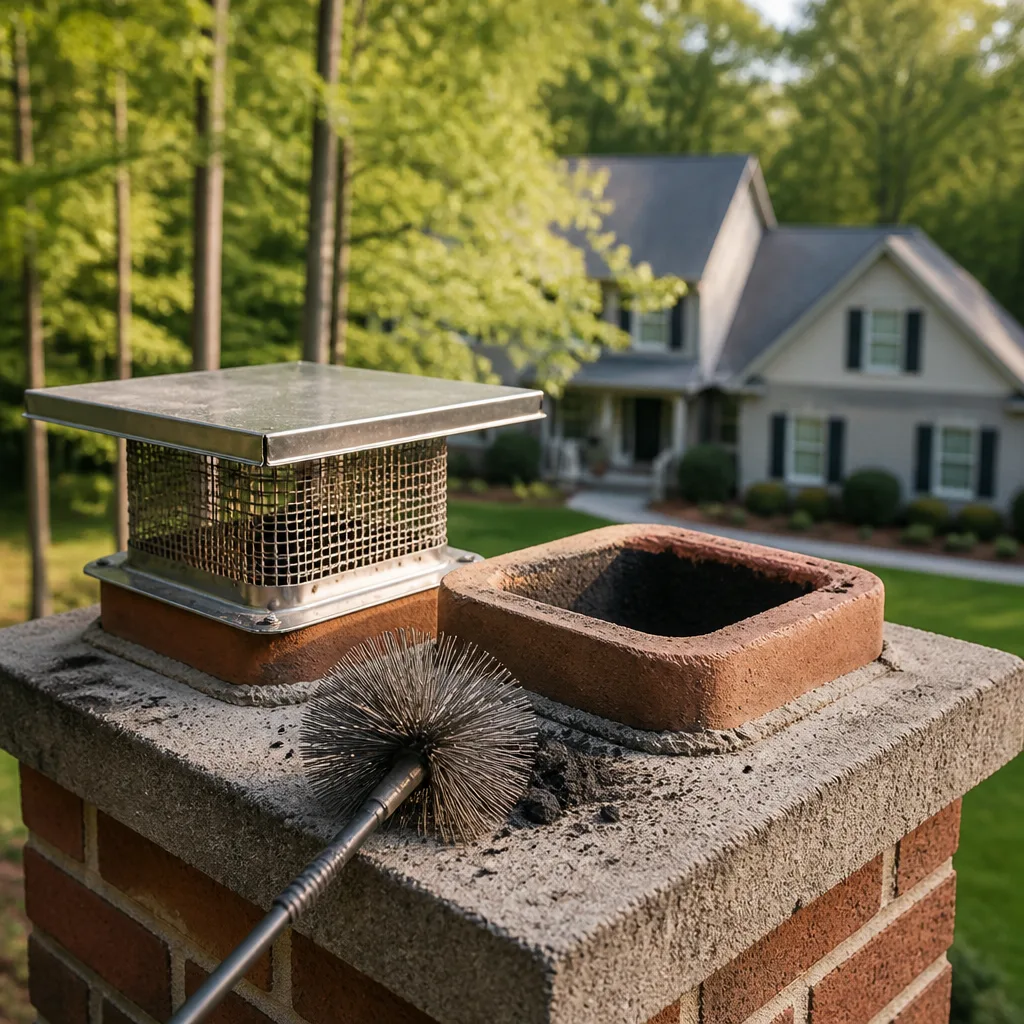
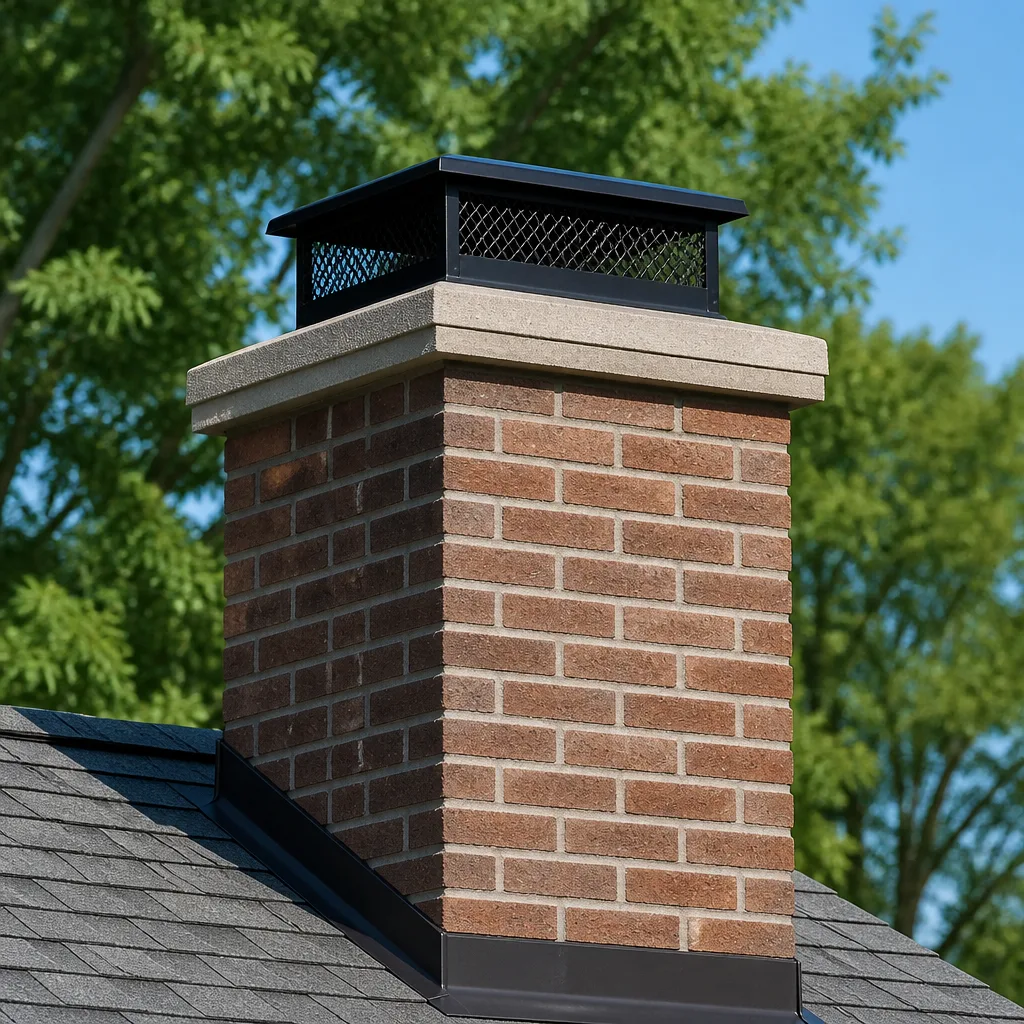
- Rain caps. A cap keeps water, birds, and squirrels out of the flue. An open or missing cap lets rain in, which rusts dampers and breaks down mortar, and lets animals nest inside. Inspect the cap at every annual sweep and replace it when it’s cracked or loose. We install caps built from professional-grade components, not hardware-store substitutes.
- Chase covers. On homes with an exterior chase enclosing the flue, the chase cover is the roof-level lid that keeps water out of the structure. A rusted or leaking chase cover lets water into the chase and can damage the framing. Give it a look each year along with the cap and flashing.
These are small parts with outsized consequences. A chimney that’s swept perfectly but has a missing cap and a leaking chase cover will still fail, just for different reasons. In our experience, the homes with the fewest surprise repairs are the ones whose owners include caps, dampers, and covers in the annual check.
Keep a Burn Log That Does Real Work
A burn log is one of the simplest maintenance tools you can keep, and almost nobody does. It’s not busywork. It turns each sweep into a faster, more informed visit, and it gives you a written record if you ever file a homeowner’s insurance claim related to the chimney.
You don’t need anything fancy. A notebook on the mantel or a note on your phone does the job. Keep it simple and consistent:
- Date each fire. A quick tally of how many fires you’ve had in a month tells your technician more about creosote risk than any estimate you could give from memory.
- Note the wood. Jot down whether the wood was seasoned or green. If you buy a load that turns out to be wet, you’ll know why the flue got dirtier that month.
- Record drafts and smells. Any time the fireplace smokes, drafts poorly, or smells smoky when it’s off, write it down with the date. That pattern helps pinpoint a problem.
- Note service dates. When the chimney was last swept and inspected, and at what level. This is the part that matters for an insurance claim.
When you hand that log to a technician, the sweep gets more targeted and the inspection is better informed. If you ever need to show an insurer that you maintained the chimney, the log is the documentation. It’s a small habit with real payoff. Keeping records is also how you avoid over-sweeping a lightly used fireplace and under-protecting a heavily used one.
Building Your Annual Calendar
Pull it all together and a typical Tulsa maintenance year looks roughly like this. Adjust the intervals to how hard you burn, but the shape of the schedule stays the same.
- Early fall (before the first hard freeze): annual sweep and a Level 1 inspection. Upgrade to a Level 2 if you’ve changed appliances, switched fuels, or just bought the home. Check the damper seal, cap, chase cover, and flashing at the same time.
- Start of the burning season: light the first fire and note how it drafts. Anything off goes in the burn log and gets watched.
- Mid-season (heavy users only): a quick look if you burn near-daily or notice buildup or draft problems. Wood stoves often warrant a mid-season check.
- End of the season: note total burns and wood quality in the log. If you had any smoking or smells, flag them for the fall visit.
- Every two years or as needed: gas inserts get a sweep on this looser cycle, with an inspection every year regardless.
That calendar does two things at once. It keeps a heavily used chimney from going too long between cleanings, and it keeps a lightly used one from paying for work it doesn’t need. A single annual sweep is the starting point; matching the schedule to your fuel and your habits is what actually protects the home.
Common Mistakes to Avoid
- Sweeping strictly by the calendar and ignoring burn volume. A fireplace lit twice a month and one run daily don’t need the same interval. Let your burn log, not just the date, set the schedule.
- Skipping the inspection because the flue “looks clean.” A clean-looking flue can hide a cracked liner or a damaged damper. The sweep clears residue; the inspection finds problems.
- Going straight to a Level 2 every year when a Level 1 fits. Inspection levels aren’t interchangeable, and choosing the right one keeps you from overpaying for routine service. Upgrade when circumstances change, not automatically.
- Burning unseasoned wood to save money. Green wood makes more creosote and shortens the sweep interval, so the savings disappear into extra maintenance.
- Forgetting the cap and chase cover. Water intrusion from a missing cap or rusty cover causes damage a sweep never touches. Add them to the yearly check.
- Waiting until the first cold snap in Tulsa to book a sweep. That’s when everyone else calls too. Schedule in early fall so any repair can happen before you need the fire.
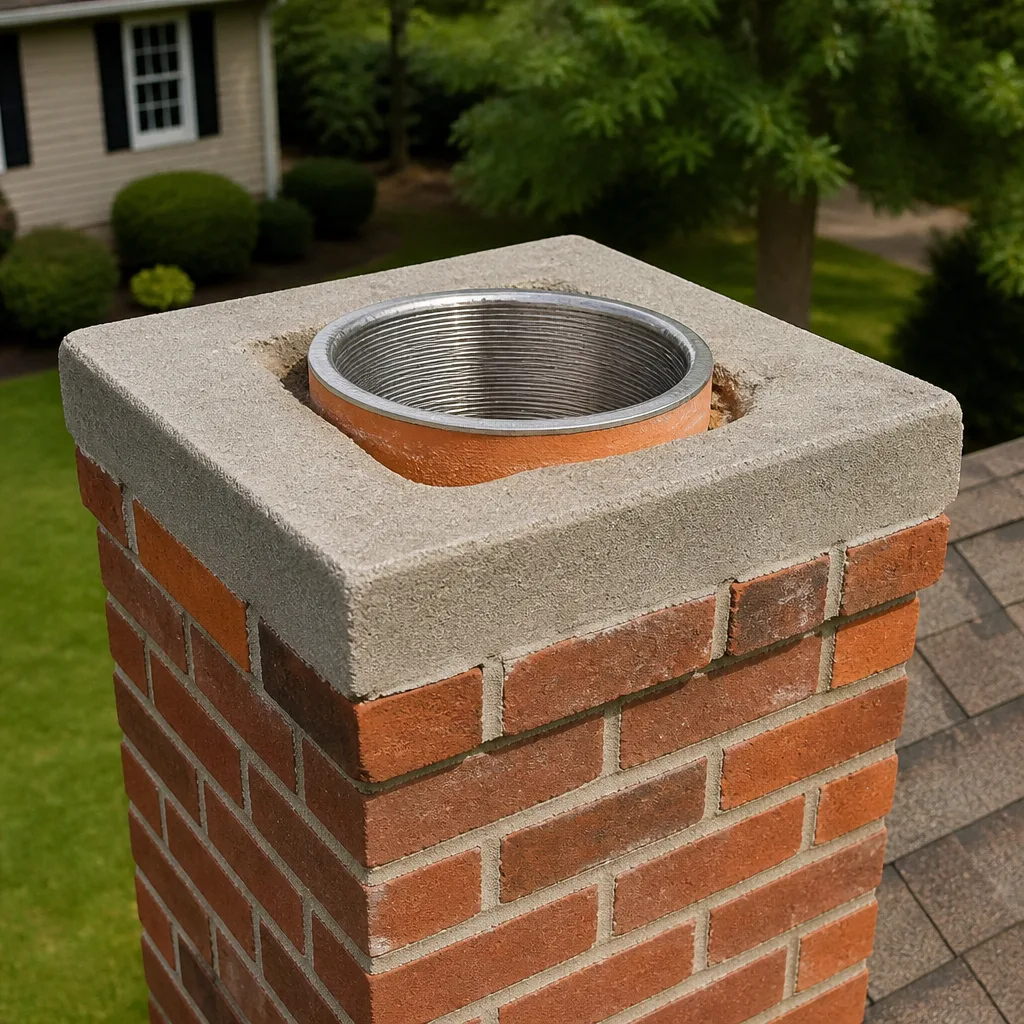
- Replacing the whole liner when resurfacing would do. A full relining isn’t always necessary. Resurfacing systems like HeatShield can restore liner life without full replacement when the inspection supports it.
When you work with Tulsa Chimney Cleaning, the inspection findings drive the recommendation. If a repair can wait, we’ll tell you so. For relining jobs, we specify professional-grade liner systems rather than off-the-shelf substitutes, because a liner is only as good as its materials and its fit to your flue.
See the difference
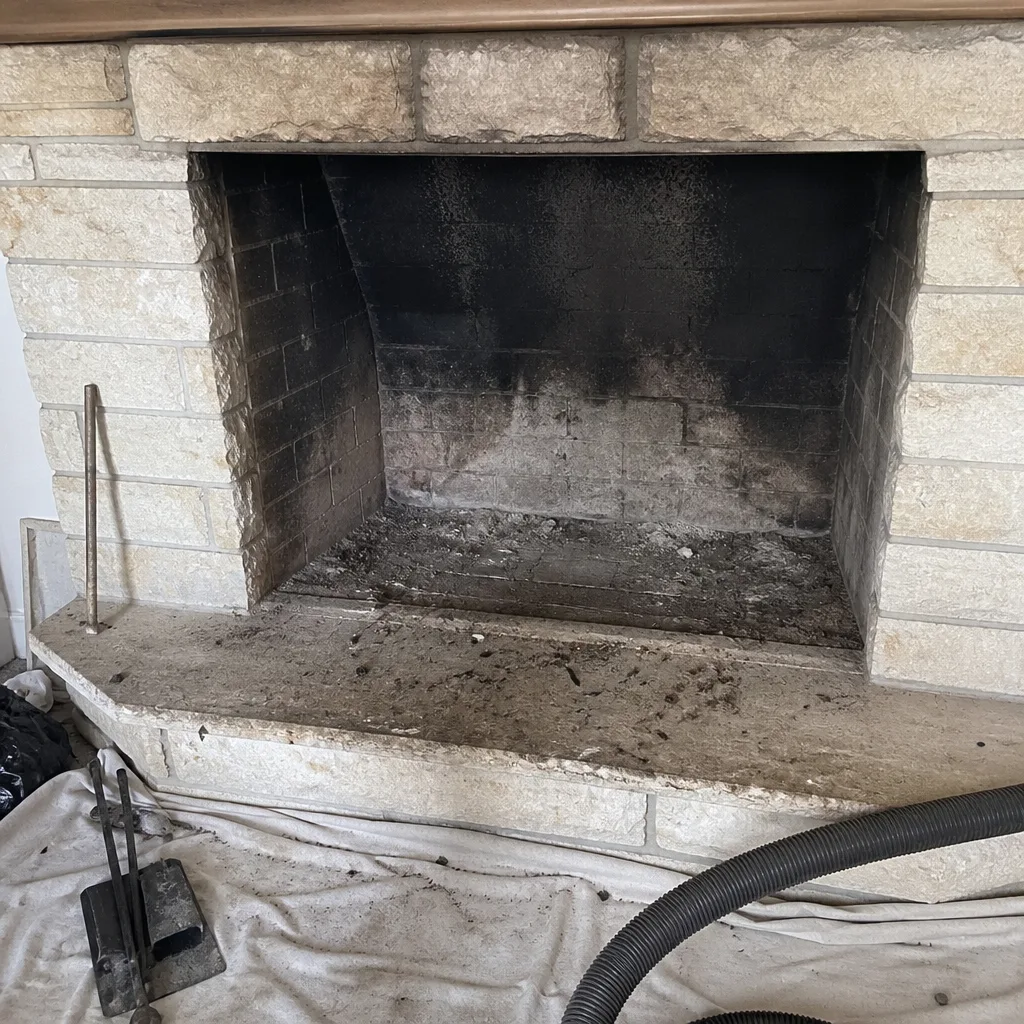 Before
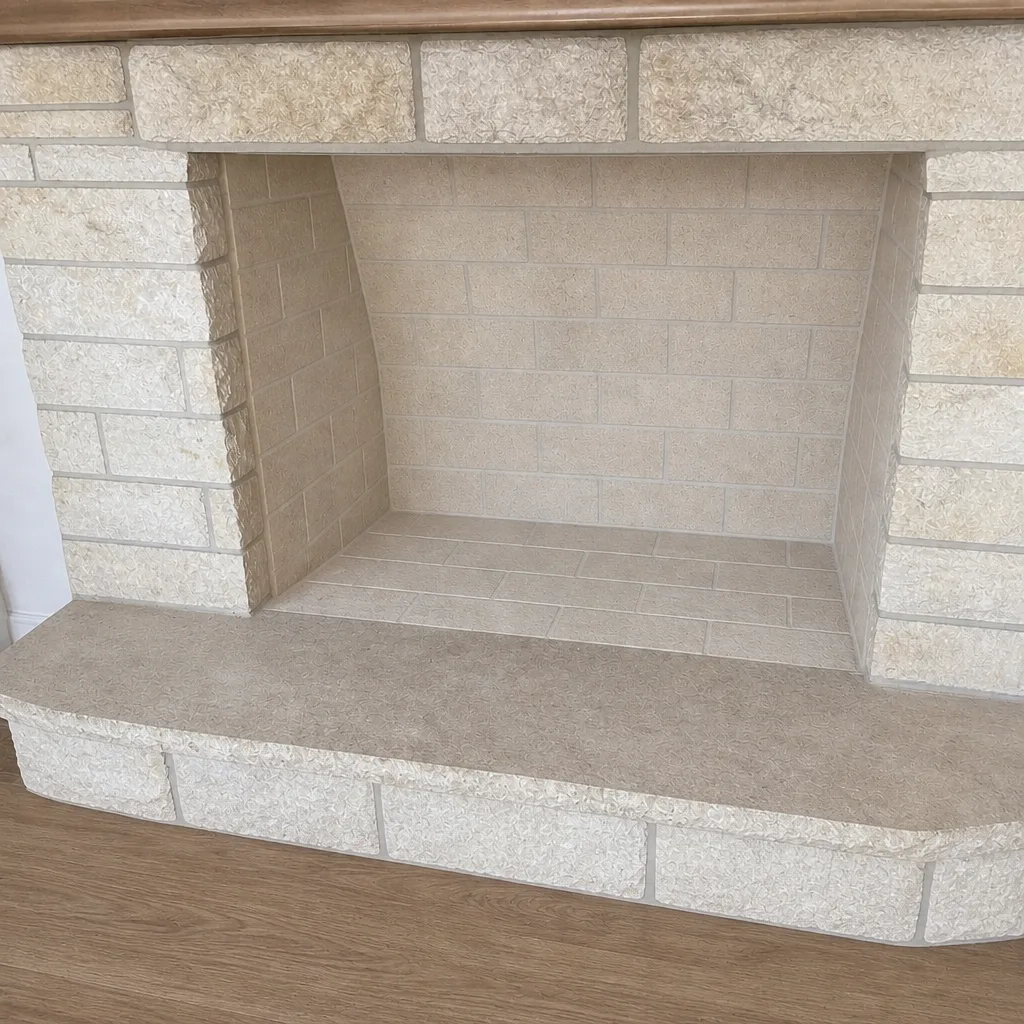 After
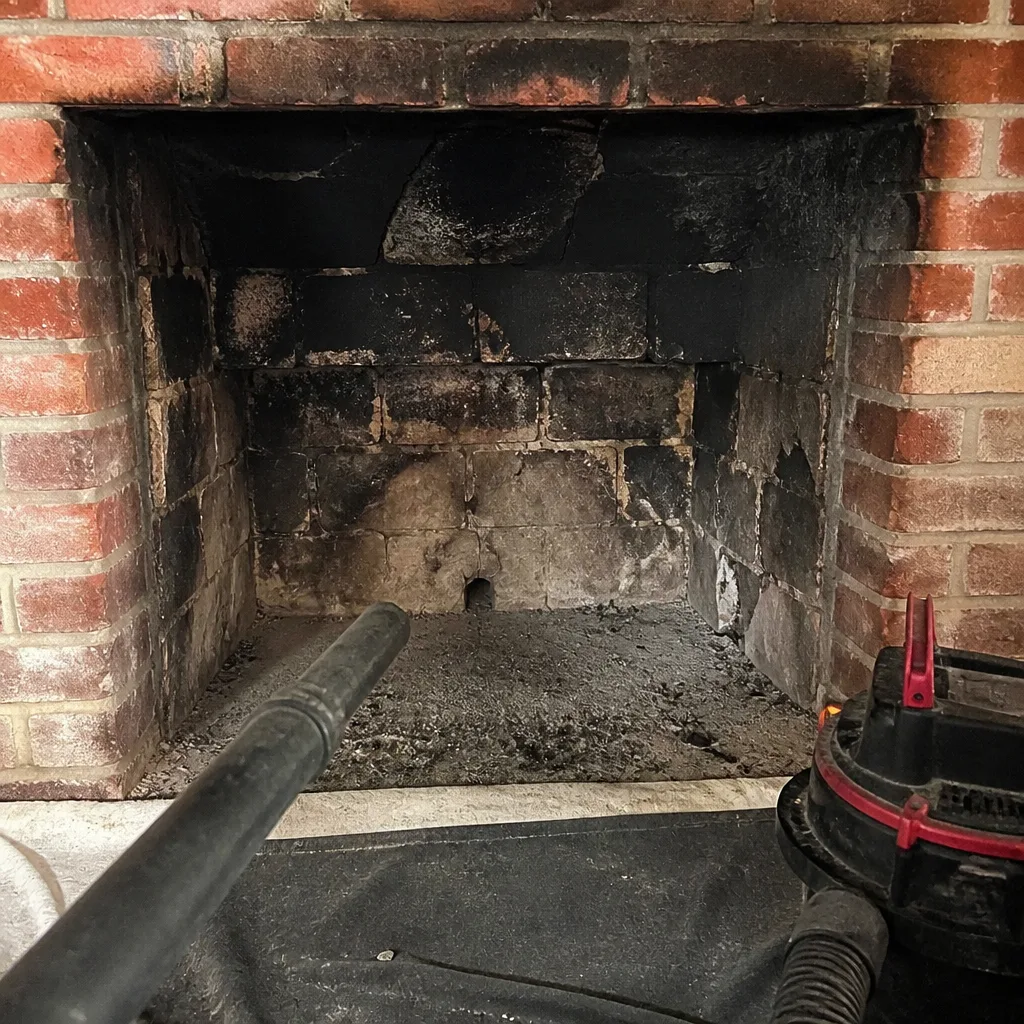 Before
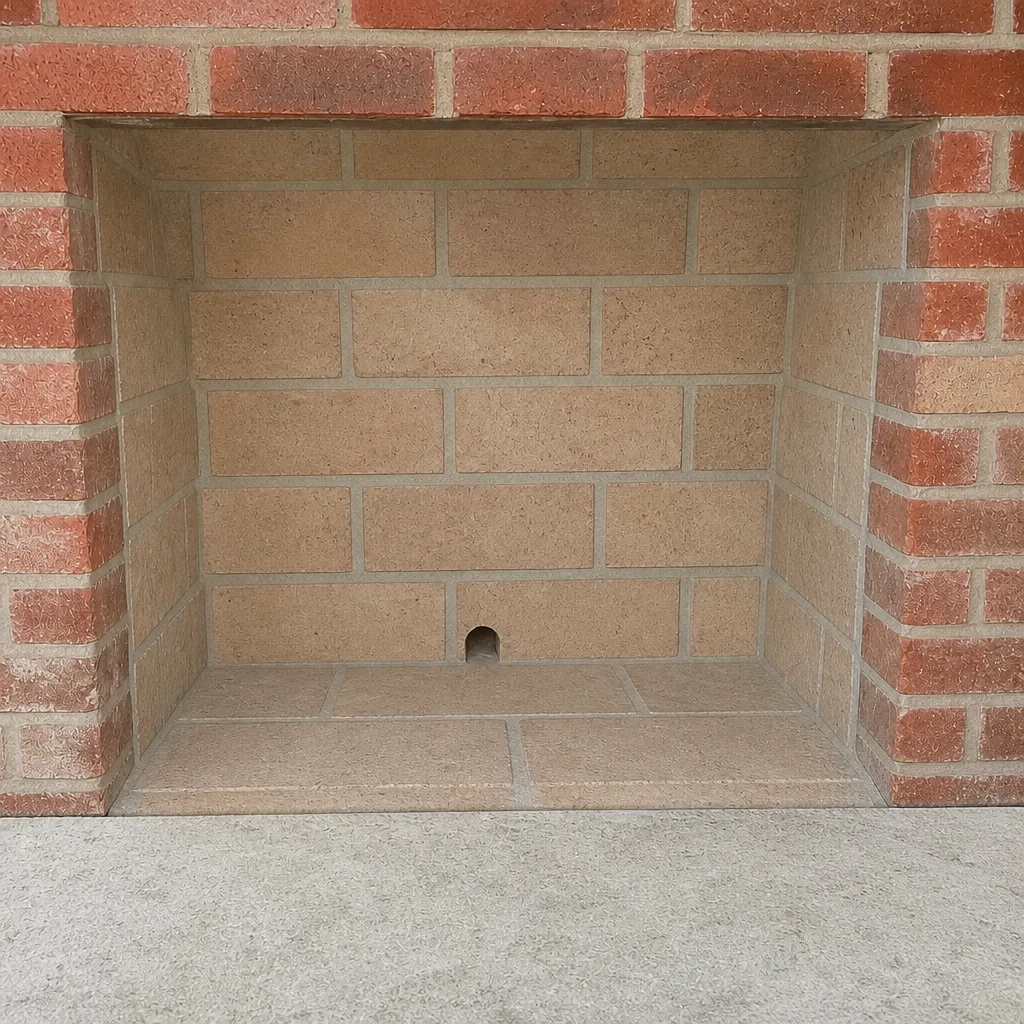 After
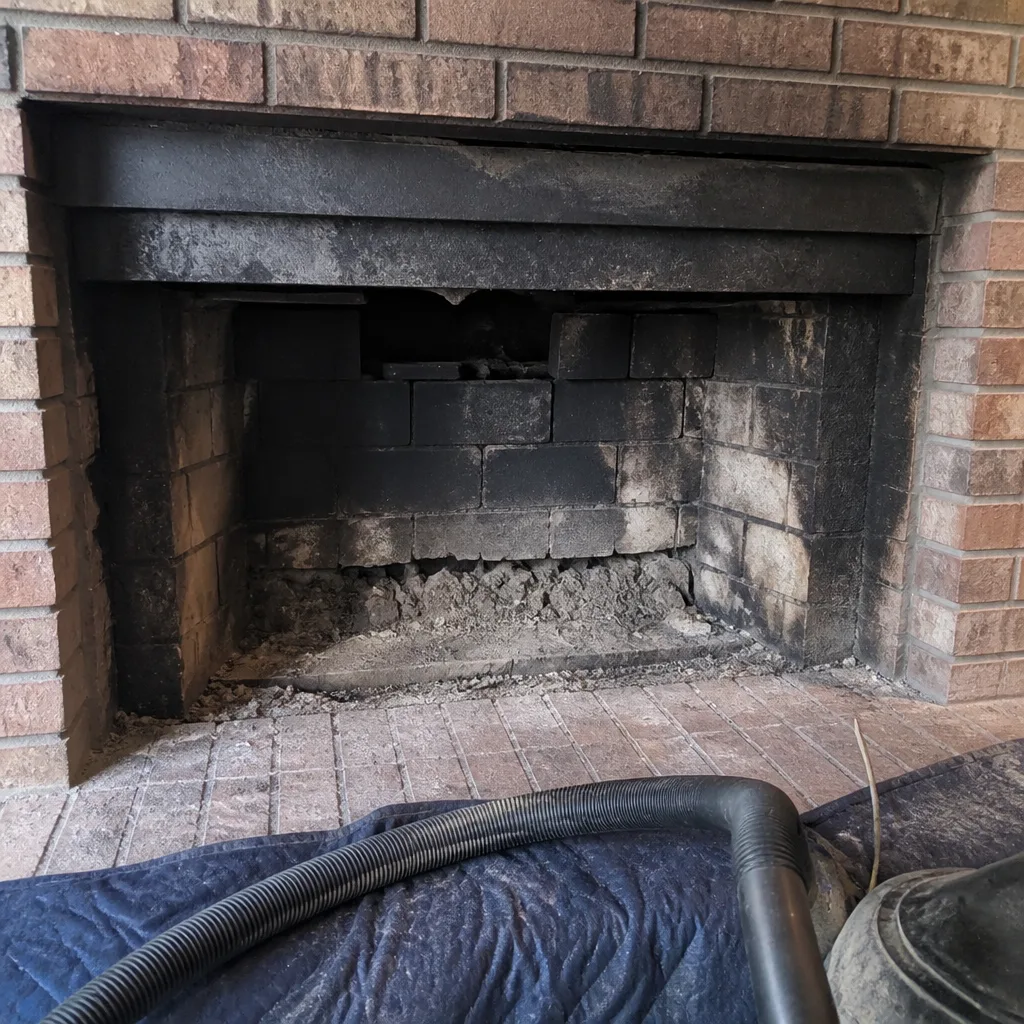 Before
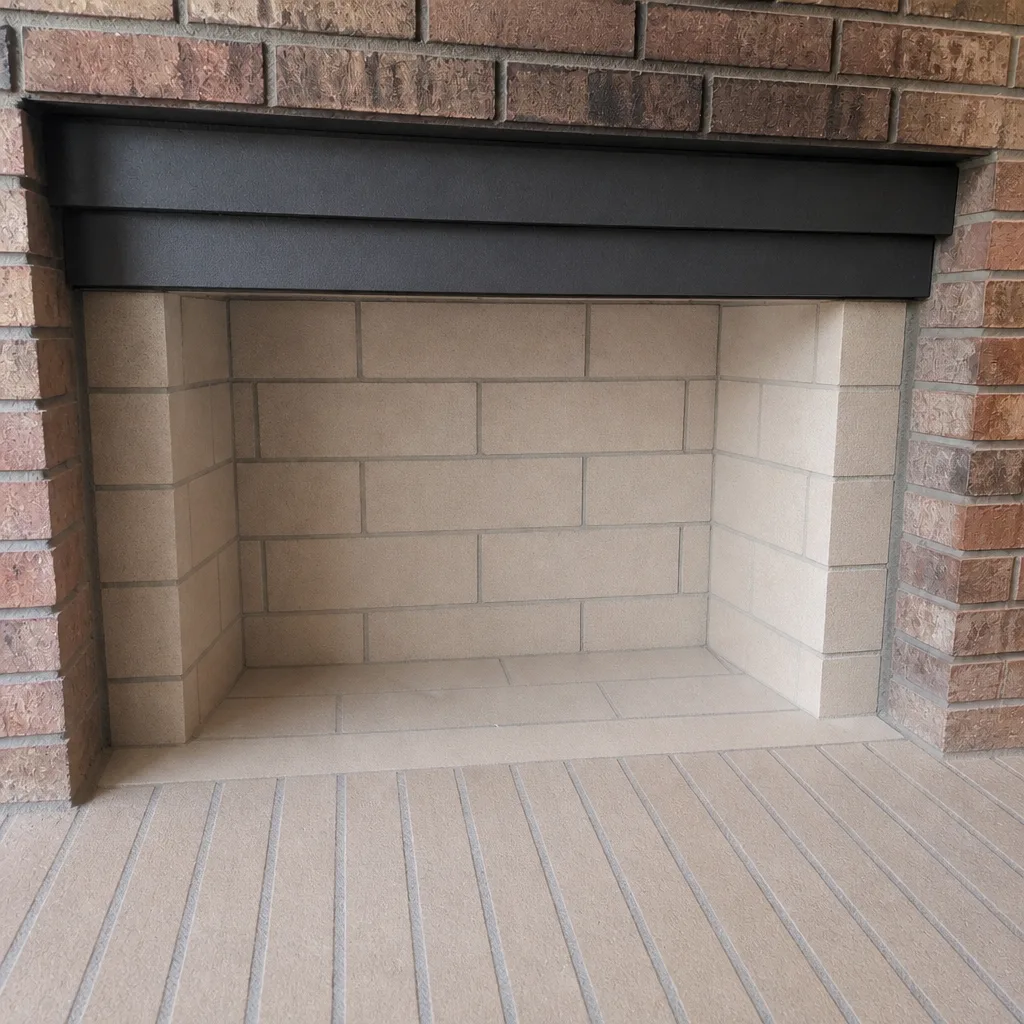 After
When to Call a Professional
Some chimney work is a judgment call, but several situations are clear-cut. Call a professional if you’ve never had the chimney inspected, if it’s been more than a year since the last sweep on a regularly used wood fireplace, if you smell smoke in the house when the fireplace is off, or if you’ve had a chimney fire at any point. Call right away if the firebox or damper shows heavy glazed creosote, or if you see cracked tiles, crumbling mortar, or water stains around the chimney. A homeowner who’s bought a house in the past year with a fireplace should get a Level 2 inspection before lighting the first fire. If any of these fit, it’s time for a real look rather than another season of hoping.
Tulsa Chimney Cleaning offers free estimates in Tulsa. Call (833) 712-5506. We answer 24/7. Fast dispatch from 7am to 7pm, Sunday through Friday.
Frequently Asked Questions
Once a year for most wood-burning fireplaces, done before the heating season. If you burn near-daily or burn unseasoned wood, a mid-season sweep or check is worth adding. When creosote approaches a quarter inch on the flue walls, sweep regardless of the calendar. Call (833) 712-5506 for an exact quote; estimates are free.
Yes, for the annual visual inspection. A clean-looking flue can hide a cracked liner, a worn damper seal, or a damaged cap that only an inspection catches. The sweep clears residue; the inspection finds the problems that residue can conceal. Call us with questions and we’ll walk you through what your chimney needs.
Gas logs and inserts usually need a sweep every two years, with an inspection every year. Gas produces little creosote, but the flue still collects dust, and the appliance needs its burners and venting checked for safe operation. A yearly inspection keeps the venting sound.
Possibly, if you truly burned only a handful of fires and the chimney is a modern gas unit. For a wood-burning fireplace, a yearly sweep is still the safe default because buildup you can’t see can still be there. Tell us how much you burned and we’ll give you an honest answer.
Creosote keeps building, and because it’s flammable, a heavy buildup raises the risk of a chimney fire. A blocked or damaged flue also raises carbon monoxide risk. On top of safety, small problems like a worn damper seal or a missing cap turn into water damage and liner repairs when left alone. Maintaining the schedule is cheaper than repairing what skipping it breaks.
Early fall, before the first hard freeze. Getting it done while the weather is still mild leaves time for any repair before you need the fireplace, and it avoids the rush when the first cold snap hits. Call (833) 712-5506 to book; estimates are free.
The Bottom Line
The “once a year” rule is a good floor, but the right chimney maintenance schedule is matched to how you actually burn. Gas inserts can go longer between sweeps; wood stoves run daily may need a mid-season check. Put a Level 1 inspection in your annual calendar and upgrade to a Level 2 when circumstances change. Include the parts people forget: damper seals, rain caps, and chase covers. Schedule in early fall so the work happens before Tulsa’s first hard freeze. Keep a simple burn log to make each visit sharper and give yourself documentation. A clean chimney isn’t just comfort; it’s a working fire-safety system, and a schedule built around your habits is what keeps it working.
We handle the full cycle: sweep, repair, and inspect, all from one chimney specialist. Materials come from professional-grade brands, not hardware-store substitutes, and nothing’s recommended without camera evidence you can see for yourself. Call (833) 712-5506 for a free estimate on your chimney maintenance. We answer 24/7. Fast dispatch from 7am to 7pm, Sunday through Friday.
Written by the team at Tulsa Chimney Cleaning.