
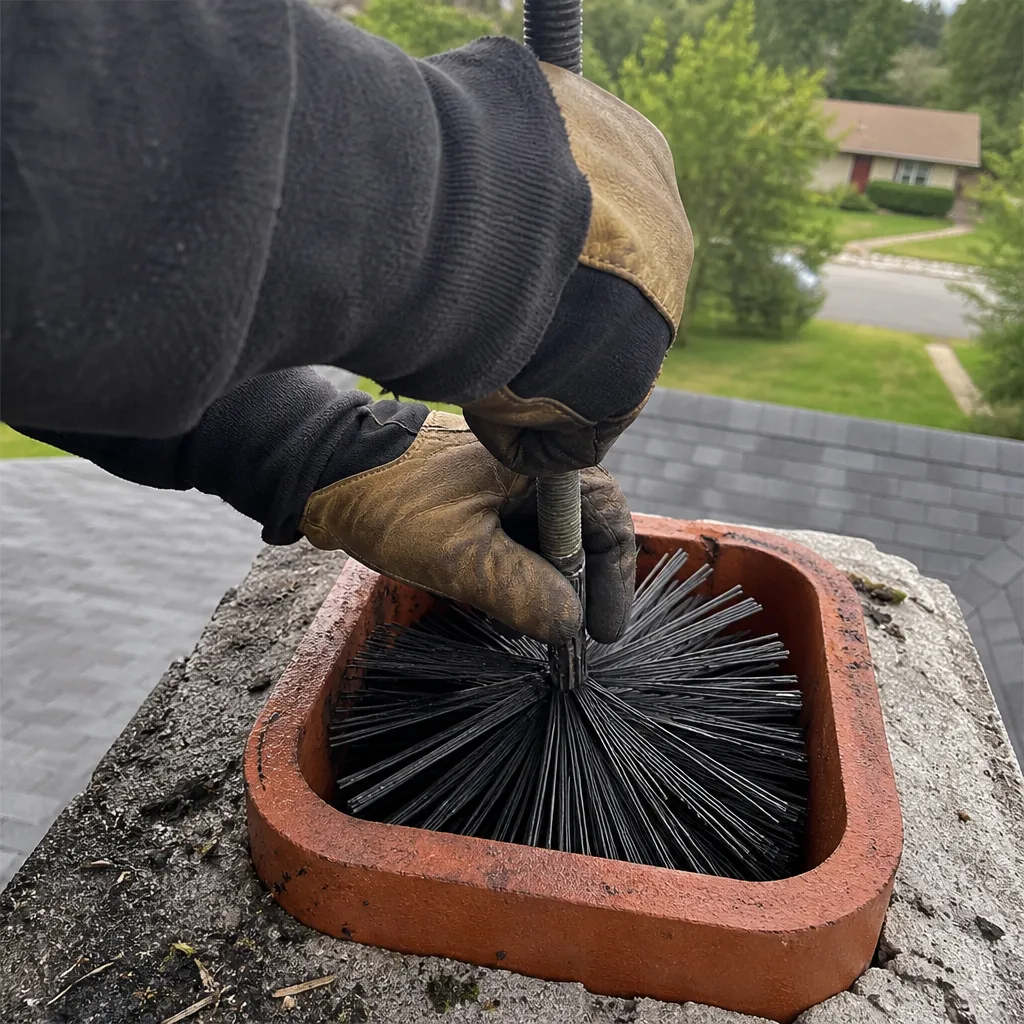
Last updated November 16, 2026
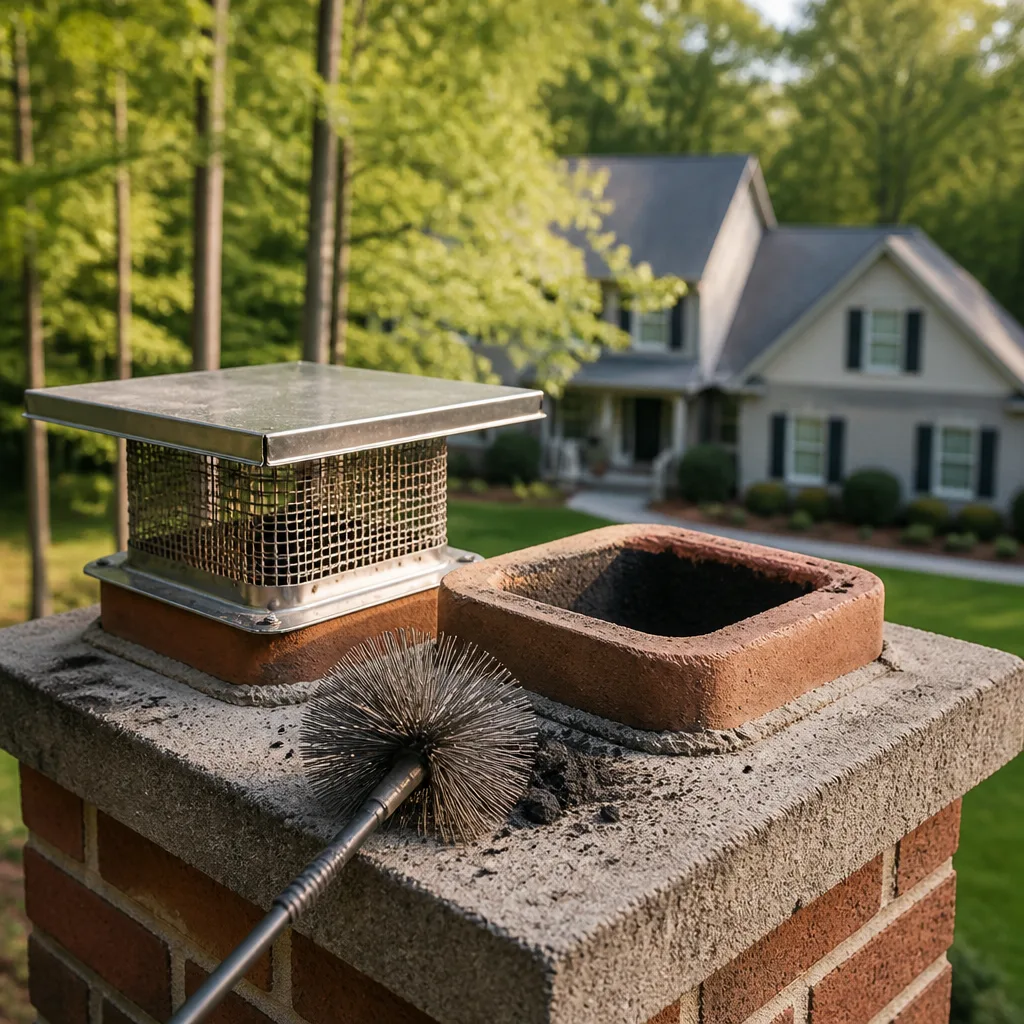 Sweep & inspection
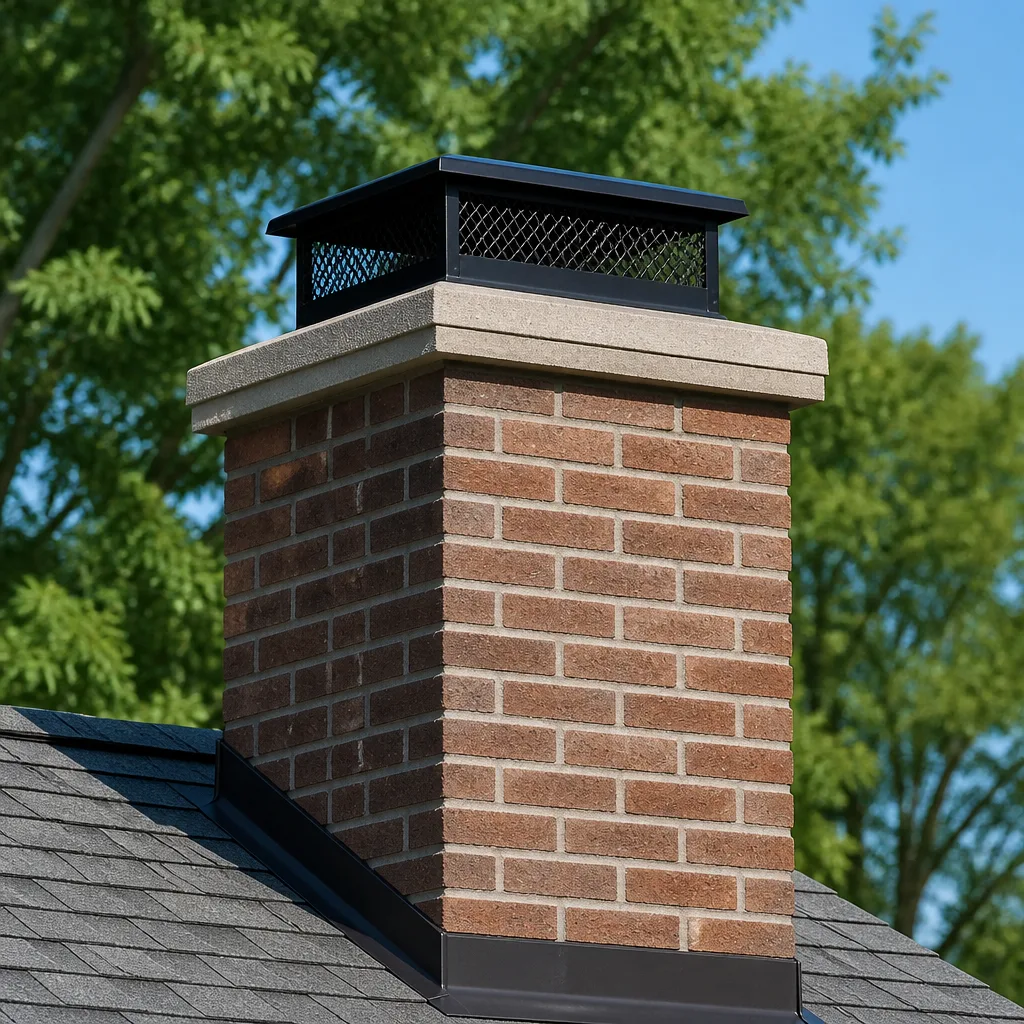 Caps & crowns
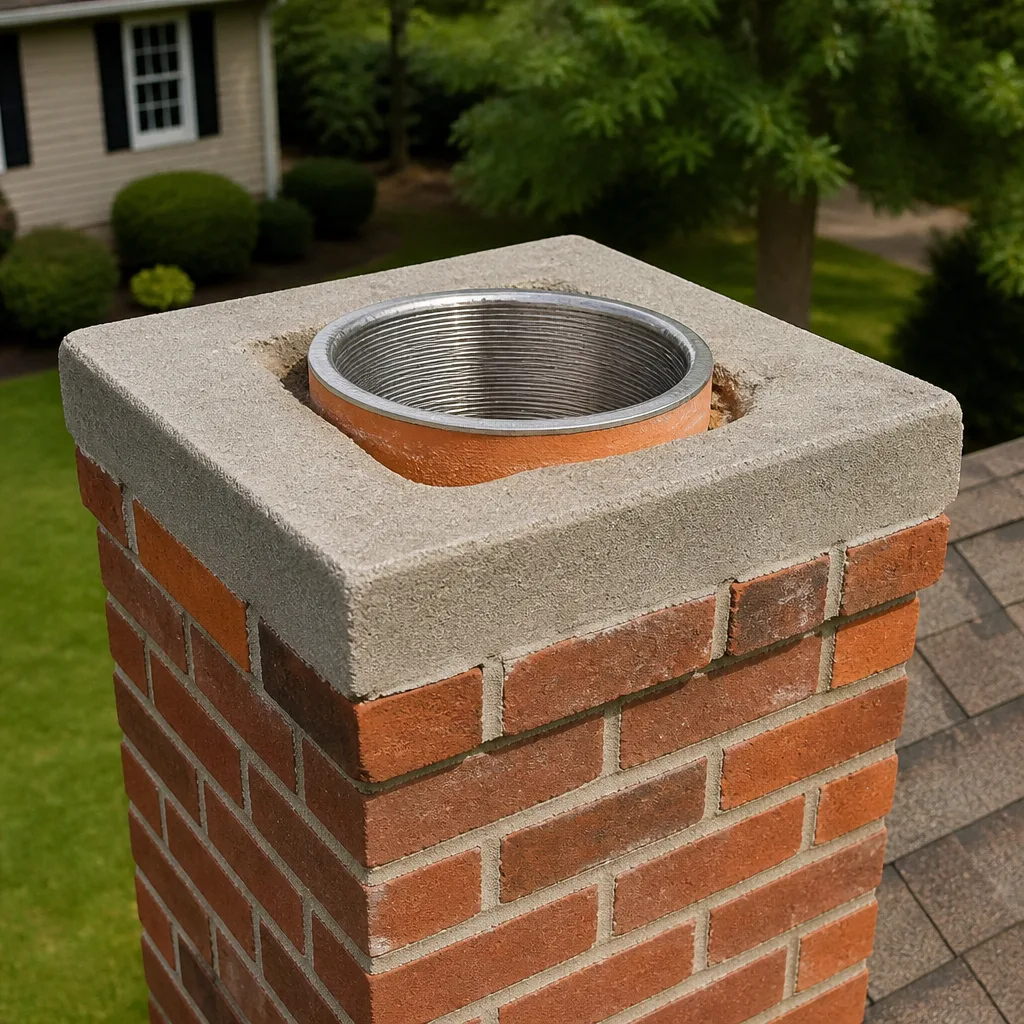 Flue relining
 Masonry repair
 Gas fireplace service
Level 1 sweep and inspection to the NFPA 211 annual standard - flue, crown, cap, and flashing checked and photographed
Chimney sweep logs do not sweep chimneys. They loosen some creosote - which then falls where a brush and vacuum still have to collect it.
Chimney Cleaning Permits, Codes & Inspections in Tulsa, OK: What You Need to Know
Replacing a chimney liner in Tulsa requires a building permit, but a surprising number of homeowners who’ve had relining done have no idea whether their contractor pulled one. That gap matters more than most people realize, because a missing permit surfaces as a defect on nearly every real estate transaction, and it can stall a closing weeks after everyone thought the deal was done. Chimney work in Tulsa sits in a regulatory gray zone: some jobs are clearly permitted construction, some are routine maintenance that needs no paperwork at all, and plenty of homeowners never learn which is which until it’s too late. This guide walks through the actual rules, what inspectors look for, and how to check permit history before you buy.
Quick Answer
Routine chimney sweeping in Tulsa does not require a permit because it’s classified as maintenance, but structural work such as liner replacement, relining, and significant masonry repair does require a City of Tulsa building permit. Code compliance is built on NFPA 211 and International Residential Code Section R1001, and a Level 2 inspection becomes legally required when a home is sold, when the fuel type changes, or after a chimney fire. Unpermitted chimney work discovered during a home sale in Oklahoma becomes a disclosed defect that can hold up financing and force renegotiation.
Styles & brands we work with
- Sweep & inspection
- Caps & crowns
- Flue relining
- Masonry repair
- Gas fireplace service
Table of Contents
- Which Chimney Jobs Need a City of Tulsa Permit (and Which Don’t)
- How NFPA 211 and IRC Section R1001 Apply to Your Tulsa Chimney
- When a Level 2 Inspection Becomes Legally Required
- What Happens When Unpermitted Chimney Work Surfaces During a Sale
- How to Check Permit History on a Tulsa Property
- Why Professional-Grade Materials Matter for Code Compliance
- Tulsa Climate, Roof Conditions, and Code Considerations
Which Chimney Jobs Need a City of Tulsa Permit (and Which Don’t)
The dividing line is simple in principle and blurry in practice: maintenance cleans and inspects, while construction alters the structure or the flue itself. A sweep is maintenance. Changing what the flue is made of, or how it vents, is construction. That distinction determines whether a permit gets pulled, and it’s the first thing we check when a homeowner calls about work someone else has already done.
Typical Permit-Free Maintenance
- Routine sweeping of a wood-burning fireplace, insert, or stove
- Level 1 and Level 2 inspections (a camera inspection needs no permit)
- Chimney cap and cover installation, including animal guards
- Minor flashing repairs where no structural change occurs
- Removal of creosote, soot, and debris
Work That Typically Requires a Permit
- Liner replacement or installing a new stainless liner system
- Relining a flue to accommodate a wood insert or a different appliance
- Setting a new liner where a HeatShield resurfacing can’t solve the problem
- Masonry rebuilding, crown replacement, and significant structural repair
- Any change to flue size, height, or termination point
City building department rules can shift, and this guide describes how the work is generally categorized rather than offering legal advice. When there’s any doubt about a specific project, ask the City of Tulsa building department directly before work begins. That one phone call protects the homeowner from a defect on a future sale, and it’s exactly the kind of question a serious contractor should expect to answer without hesitation.
Homeowners in Brookside and Maple Ridge often deal with masonry chimneys that have seen decades of weather and are prime candidates for structural work, which means the permit question comes up more often than in newer builds. For hands-on help sorting out what your chimney needs, the chimney repair team assesses structural issues and clearly states which jobs will require permits before anything starts.
How NFPA 211 and IRC Section R1001 Apply to Your Tulsa Chimney
NFPA 211 is the standard that governs chimneys, fireplaces, vents, and solid fuel appliances, and IRC Section R1001 is the residential building code section that covers masonry chimney construction and clearances. Together they set the rules that an inspector or a home-buying buyer will use to judge your chimney, regardless of what a contractor told you. Neither one is Tulsa-specific. Both apply across Oklahoma, and both matter every time a home changes hands.
What Inspectors Actually Look For
- Clearance from combustible materials to the chimney exterior, typically the most common violation found in older homes
- Condition of the clay tile liner or stainless liner: cracks, gaps, or disconnected sections
- Flue size relative to the appliance and proper venting for the appliance’s fuel type
- Chimney height relative to the roofline, so it drafts and terminates correctly
- Cap, crown, and flashing integrity to keep water and animals out
- Creosote buildup and any signs of a past chimney fire
In our experience, the flash-point issue in older Tulsa neighborhoods is the liner. Clay tile often fails after decades of heating and cooling cycles. Once a tile cracks, the flue no longer safely contains combustion gases, and an inspector will flag it. Depending on the severity, the fix may be a HeatShield resurfacing to restore a damaged liner, or a full relining with DuraFlex or Olympia Chimney systems. Both outcomes need documentation. Neither outcome is something a homeowner should have to guess about.
One more point on IRC Section R1001: it addresses clearances and construction, not sweeping. That’s why a chimney sweep visit stays in the maintenance lane and doesn’t touch the permit question. The two services are separate for a reason, even though we handle both. Homeowners who live in the older housing stock across Tulsa benefit from understanding which one they need before they call.
When a Level 2 Inspection Becomes Legally Required
A Level 2 inspection becomes legally required in three specific scenarios: when a home is sold or transferred, when the fuel type changes, and after a chimney fire or other event that could damage the flue. Those three triggers are drawn from NFPA 211, and they appear in residential real estate contracts and mortgage requirements more often than most buyers expect. A Level 1 inspection is the visual check that comes with annual maintenance. A Level 2 inspection goes further, using video camera equipment to look inside the entire flue, including areas a visual inspection can’t reach.
The Three Triggers in Detail
- Sale or transfer of the property. Buyers and their inspectors expect a documented Level 2 inspection. A seller who can’t produce one invites questions and possible renegotiation.
- Change of fuel type. Switching from wood to gas, or converting a wood-burning fireplace to a wood insert, requires an inspection to confirm the flue is compatible with the new appliance.
- After a chimney fire or damaging event. Even a small chimney fire can crack a clay liner or distort a metal one. Only a camera inspection can confirm the flue is still sound.
The video camera and photo report matter here. When a buyer’s inspector flags a chimney and the homeowner has a documented Level 2 inspection with photos showing the flue interior, the sale moves forward. Without that documentation, the chimney becomes an unknown, and unknowns get negotiated against. We recommend homeowners keep the written report with their home records the same way they keep HVAC service records. It’s not just a maintenance document, it’s a resale document.
What Happens When Unpermitted Chimney Work Surfaces During a Sale
Unpermitted chimney work discovered during a home sale in Oklahoma becomes a disclosed defect, and the practical consequences depend on what the work was and whether it meets code. In the worst case, a buyer’s lender requires proof that structural work was permitted and inspected before it will fund the loan. In less severe cases, the buyer simply negotiates the cost of a re-inspection or correction off the sale price. Either way, the seller pays for a decision that a permit would have cost far less to make.
The Usual Sequence
- A buyer’s inspector notes a newer liner or masonry work with no permit on file
- The buyer’s agent requests documentation; the seller can’t provide it
- The lender or title company asks whether the work was inspected and approved
- The buyer requests a correction credit or the seller pulls a permit retroactively, which may require opening the work for inspection
- The closing date is delayed while the correction is resolved
Retroactive permitting is possible, but it’s not free and it’s not guaranteed. The building department may require that portions of the work be exposed for inspection, which in the case of a chimney means opening the work up. That’s real cost and real disruption, on a timeline set by a closing date. It’s why we tell homeowners to ask their contractor for the permit number before the job starts, not after. The tension in our trade, when a homeowner has been told they need a new liner, is being asked to trust a diagnosis they can’t see. A permit is the homeowner’s evidence that a third party also looked at the work and signed off on it.
Property records in Tulsa are public. A title company and a knowledgeable buyer’s agent can pull permit history during due diligence, and a gap in that history is visible to anyone who looks. For homeowners sorting out a repair question before a sale, the Tulsa Chimney Cleaning team provides written inspection reports that document current conditions accurately, which helps when a buyer’s inspector asks for proof of condition.
How to Check Permit History on a Tulsa Property
You can request permit history on a Tulsa property through the city’s online permit records or by contacting the building department directly. The process isn’t complicated, but it takes some patience, and it’s much easier to do before you’ve made an offer than after. Here’s how a buyer should work through it.
- Ask the seller’s agent for the property address and any permit numbers associated with recent work.
- Search the City of Tulsa’s online permit and inspection records for the address.
- Note the years and types of permits pulled, especially for chimney, roofing, and structural work.
- Request copies of inspection results and the final approval, not just the permit itself.
- If chimney work appears on the property but no permit shows up, ask whether the work was exempt maintenance or unpermitted construction.
- Have a licensed inspector or chimney specialist confirm the current condition of the work in question.
A permit without a final inspection is only half the story. What a buyer wants is the inspection approval that shows the work was checked by the city. That’s the document that clears the chimney on a resale. If the records are unclear or the work predates the current owner, a Level 2 inspection fills the gap. It’s not a substitute for a permit, but it’s the best documentation of current condition a homeowner can provide to a buyer.
Why Professional-Grade Materials Matter for Code Compliance
Code compliance isn’t only about pulling the right permit. It’s about whether the materials installed actually meet the standard the code references. NFPA 211 and IRC Section R1001 assume specified product performance, and off-the-shelf substitutes that look similar on the shelf don’t always perform to the standard. A permit inspection can pass a job that looks correct while the materials underneath fall short of what the code expects. That’s a defect waiting to happen, and it’s one an inspector may not catch.
We specify DuraFlex and Olympia Chimney liner systems because those are the systems the trade uses for relining, and Copperfield products for weather protection because caps and covers need to outlast the roof. When a liner is still structurally sound but damaged, HeatShield resurfacing can restore it without full replacement, a repair route that hardware-store products don’t offer. These brand choices aren’t about preference. They’re about making work that matches the code’s intent, so an inspection on resale goes the way it should.
Tulsa Climate, Roof Conditions, and Code Considerations
Tulsa’s climate swings hard between hot summers and cold winters, and the freeze-thaw cycle that comes with it is tough on masonry chimneys and roof flashing. Clay tile liners that survive one season’s temperature swings can crack during the next, and masonry crowns and flashing take the same beating. All of that affects what an inspector finds and what a permit will cover. A chimney that was fine at one inspection can fail the next one for reasons a homeowner didn’t cause.
What the Climate Means for Chimney Work
- Freezing and thawing stresses masonry joints and crowns, so rebuilding and crown work often becomes permit territory sooner than in milder climates.
- Summer heat accelerates deterioration of exterior sealants and flashing, so roof-penetration repairs come up regularly.
- Wood-burning season focuses inspection and sweeping in the months before first fire, when homeowners want the flue checked before the cold sets in.
- Raccoons and birds find chimneys attractive in spring, which is why caps and animal guards matter more than they seem in Tulsa.
If your chimney is due for its annual service before burning season, this is the time to get it scheduled. Call (833) 712-5506. We answer 24/7. Fast dispatch from 7am to 7pm, Sunday through Friday.
Common Mistakes to Avoid
- Assuming a liner replacement came with a permit. Many homeowners have never seen the permit for a liner replacement performed by a prior contractor, and on a sale that gap becomes the buyer’s leverage. Ask for the permit number and the final inspection record before you close the job.
- Skipping a Level 2 inspection before selling. The sale or transfer of a Tulsa home is one of the three triggers under NFPA 211 for a Level 2 inspection. A buyer’s agent who knows the rules will ask for it, so have it ready instead of scrambling.
- Treating a chimney sweep as a compliance document. A sweep log shows the flue was cleaned, not that it was inspected or that liner work was permitted. Those are different records and they answer different questions.
- Installing off-the-shelf caps and covers. Generic hardware-store caps shorten the life of a chimney because they don’t handle the freeze-thaw cycle across Tulsa’s winters. Famco and Copperfield components cost more and last longer.
- Ignoring the clay tile liner because the fire still burns. The fire burning doesn’t mean the flue is safe. A cracked or gapped liner can leak combustion gases into the home even while the appliance works normally.
- Not checking permit history before buying. Pulling the records after you’ve made an offer is far more expensive than pulling them during due diligence, and a permit without a final inspection is only half the information.
- Assuming a handyman can handle a structural chimney job. Chimney work sits within a defined scope, and general handymen often lack specialized knowledge of liners, clearances, and code. A chimney-specific contractor knows which jobs require a permit and can document the work so it holds up on resale.
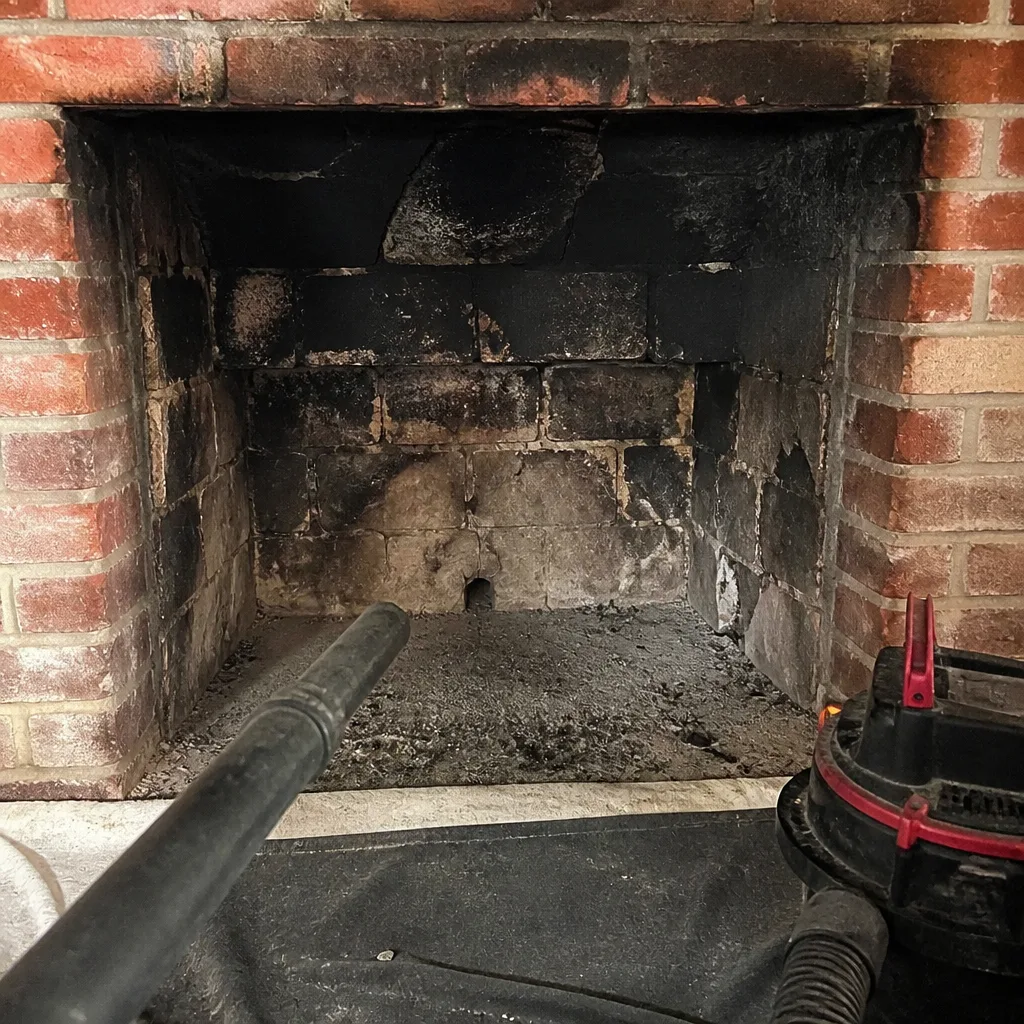
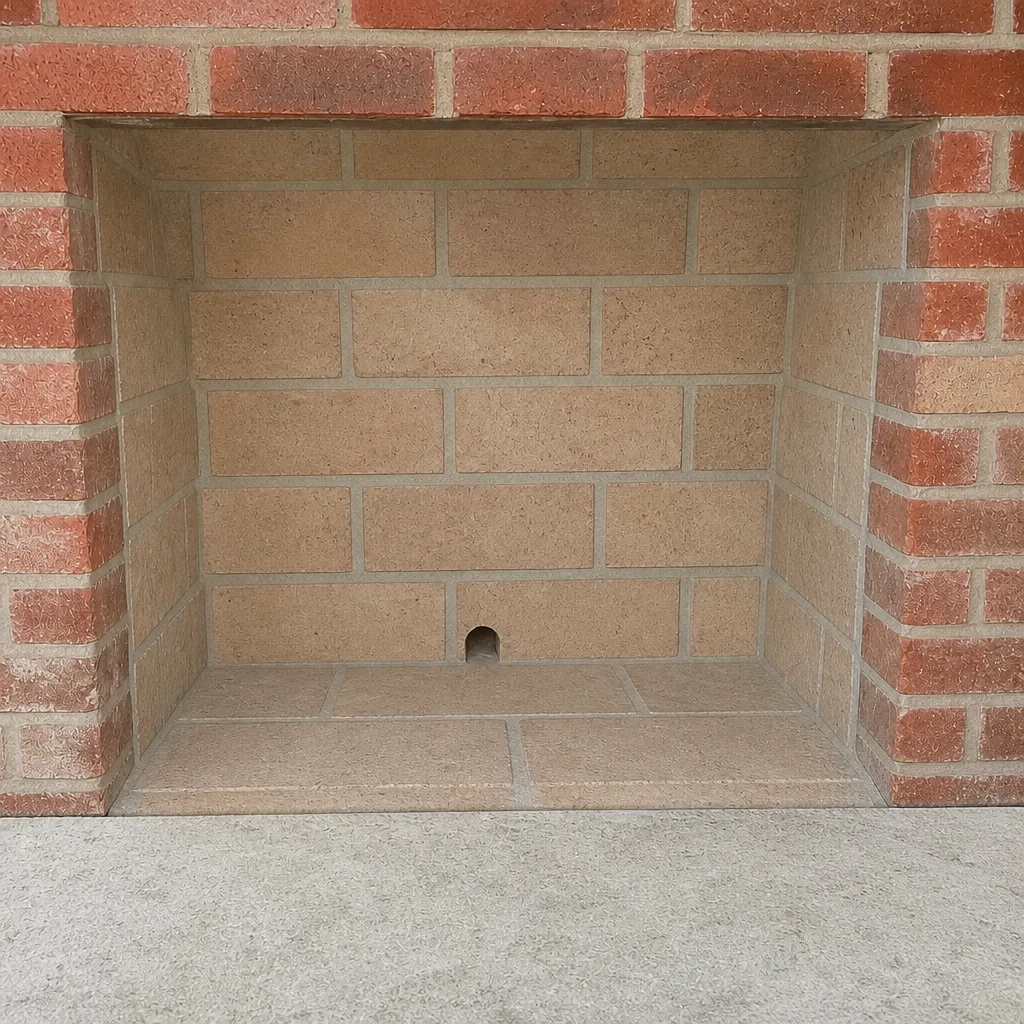
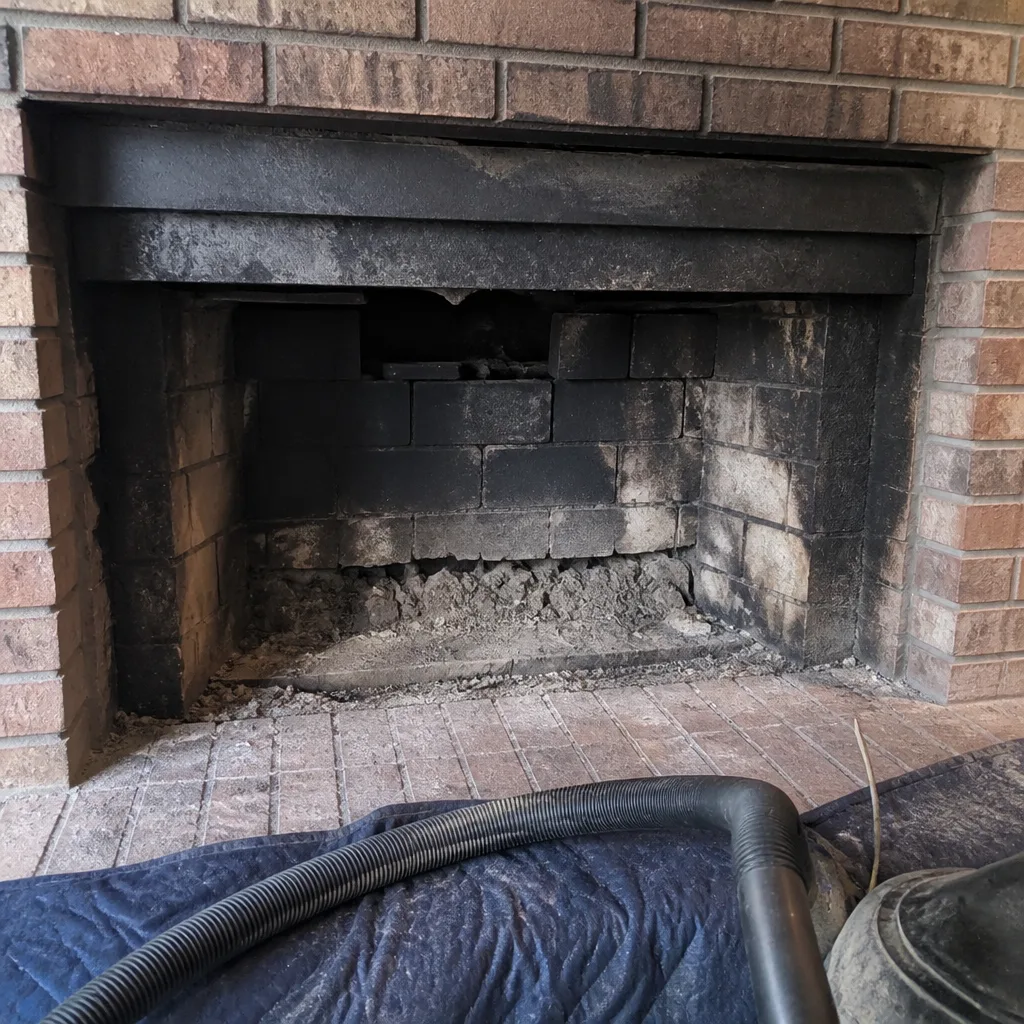
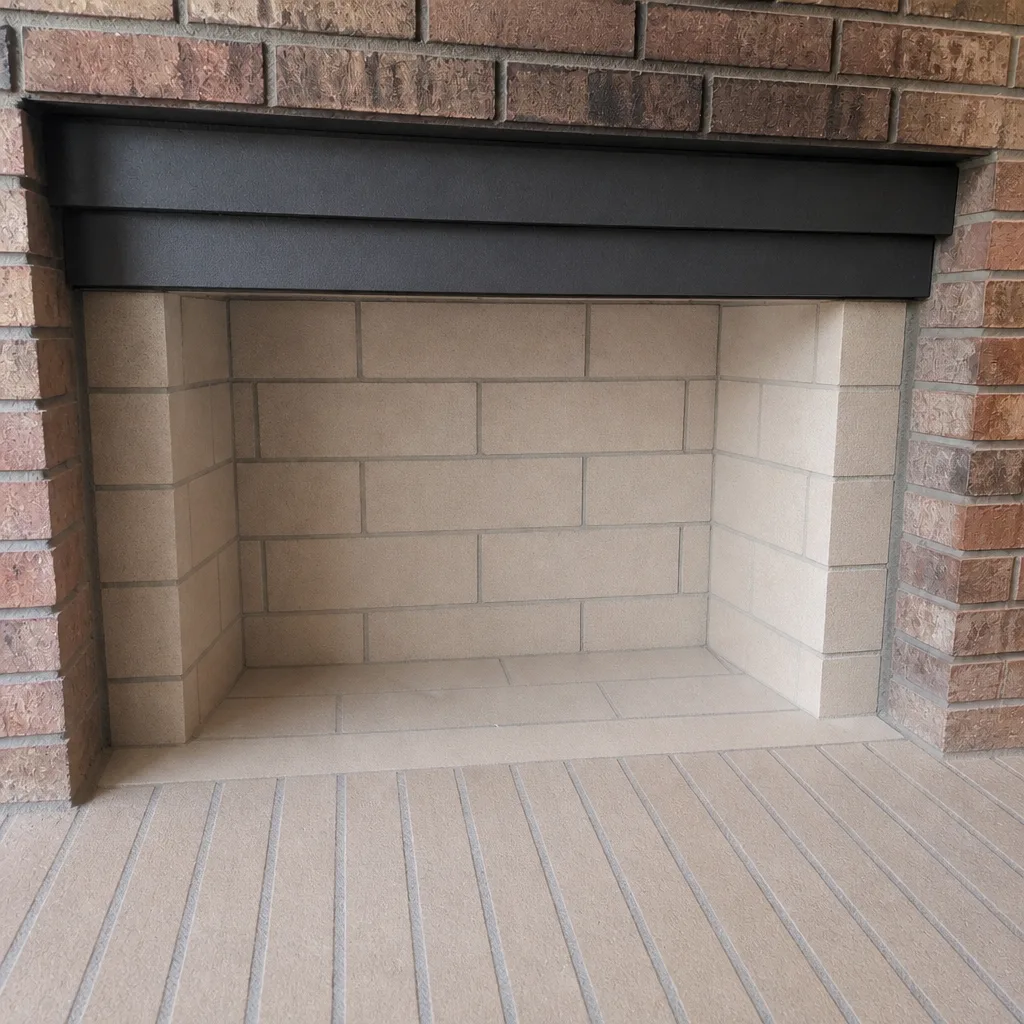
See the difference
 Before
 After
 Before
 After
 Before
 After
When to Call a Professional
Call a professional when a chimney job crosses from maintenance into construction, when a Level 2 inspection is required by a real estate transaction, or when a previous contractor’s work needs to be evaluated for code compliance. Also call when you see visible cracking in the masonry, hear a change in how the fire drafts, or find that a prior owner’s chimney work has no permit documentation. In each case, the right answer starts with an inspection that documents what’s actually there, so whatever comes next is based on evidence rather than a guess. Tulsa Chimney Cleaning offers free estimates in Tulsa, and you can call (833) 712-5506 to book an inspection or a sweep.
Frequently Asked Questions
No. Routine chimney sweeping in Tulsa is classified as maintenance and does not require a City of Tulsa building permit. Structural work such as liner replacement, relining, or significant masonry repair does require a permit. Call (833) 712-5506 for an exact quote; estimates are free.
A Level 2 inspection is required when a home is sold or transferred, when the fuel type changes, and after a chimney fire or similar damaging event. NFPA 211 sets these triggers, and a camera inspection with a photo report documents the flue interior. Call (833) 712-5506 to schedule one before you list or close.
It becomes a disclosed defect, and the buyer or lender may require proof of permit and final inspection before the sale proceeds. In some cases, the seller has to pull a permit retroactively, which can mean exposing the work for inspection and delaying closing. Call (833) 712-5506 to have current condition documented before it reaches that stage.
Search the City of Tulsa online permit records for the property address, then request copies of inspection results and final approval, not just the permit. If chimney work appears with no permit, an inspection can document what’s actually there. Call (833) 712-5506 for a professional opinion on the current condition.
Sometimes it can be repaired, and sometimes it must be replaced. A HeatShield resurfacing can restore a liner that’s still structurally sound, while DuraFlex or Olympia Chimney systems suit full relining. The difference depends on what the camera inspection shows, and nothing is recommended without evidence you can see. Call (833) 712-5506 for an exact quote; estimates are free.
Annual sweeping before burning season is the standard recommendation for a home with an active fireplace. A sweep and a Level 1 inspection together confirm the flue is clear and sound. Call (833) 712-5506 to book a sweep before the first fire.
The Bottom Line
Chimney work in Tulsa sits in a regulatory gray zone, and the difference between a clean project and a code violation at resale comes down to knowing which jobs need a permit, which trigger a mandatory Level 2 inspection, and which are routine maintenance. Sweeping stays in the maintenance lane. Liner replacement, relining, and structural masonry work require permits. A Level 2 inspection is required when a home sells, when fuel type changes, and after a chimney fire. And unpermitted work found during the sale becomes a disclosed defect that costs far more to resolve than a permit ever would have. Document the work, keep the records, and check permit history before you buy.
Schedule Your Tulsa Chimney Service
Whether you need a sweep before burning season, a Level 2 inspection for a sale, or a repair that requires a permit, the right place to start is a documented look at your chimney. Tulsa Chimney Cleaning provides all three: sweeping, repair, and inspection from one specialized provider, using professional-grade materials like DuraFlex, HeatShield, and Copperfield rather than hardware-store substitutes. Our technicians have up to 10 years of experience, and nothing gets recommended that the camera inspection doesn’t support. Call (833) 712-5506 for a free estimate. We answer 24/7. Fast dispatch from 7am to 7pm, Sunday through Friday.
Written by the team at Tulsa Chimney Cleaning.