
Last updated November 16, 2026
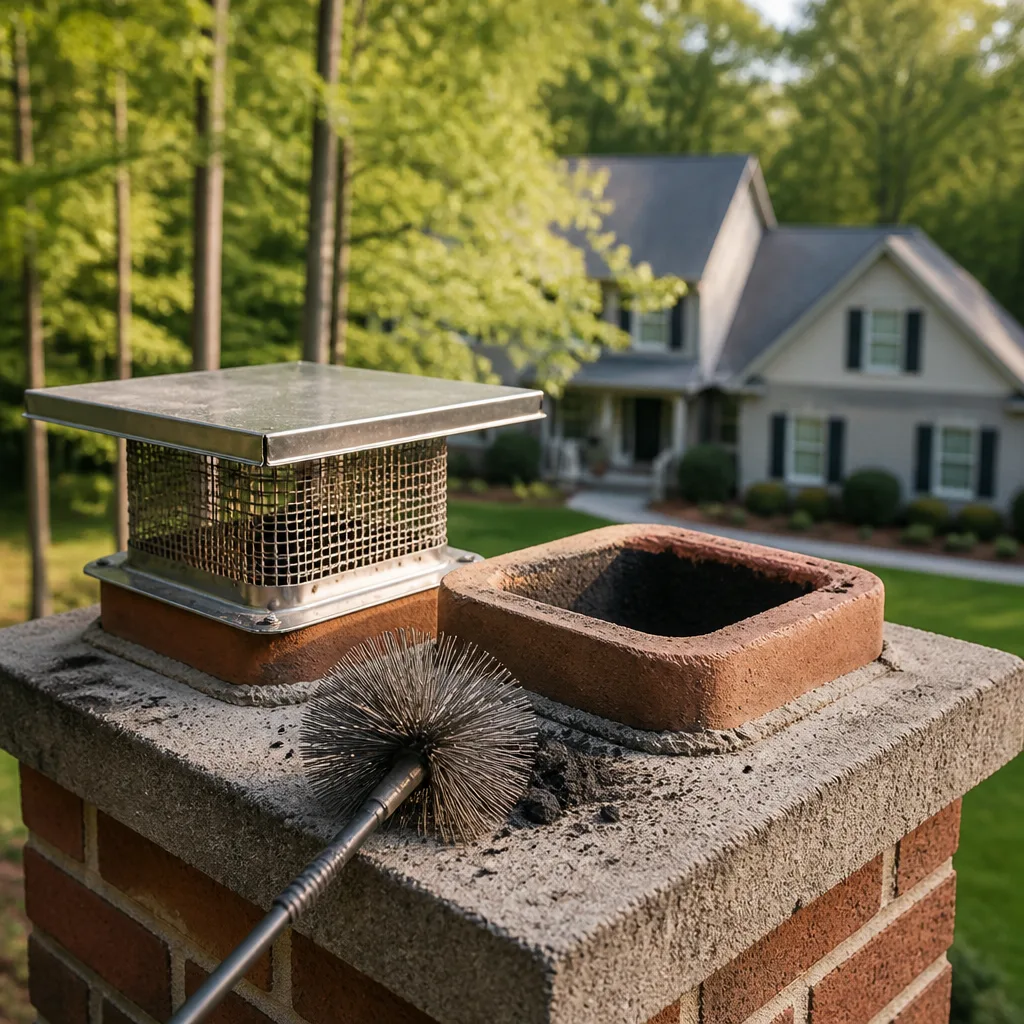 Sweep & inspection
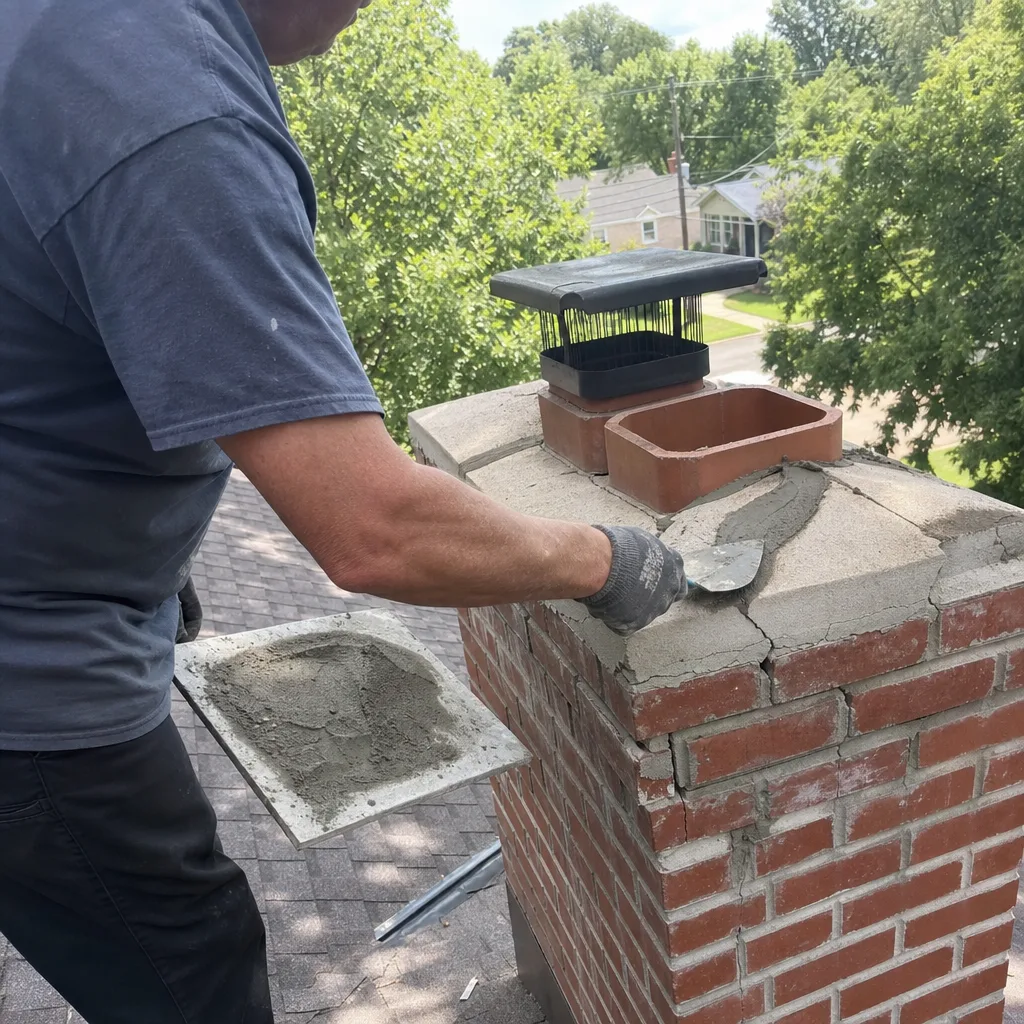
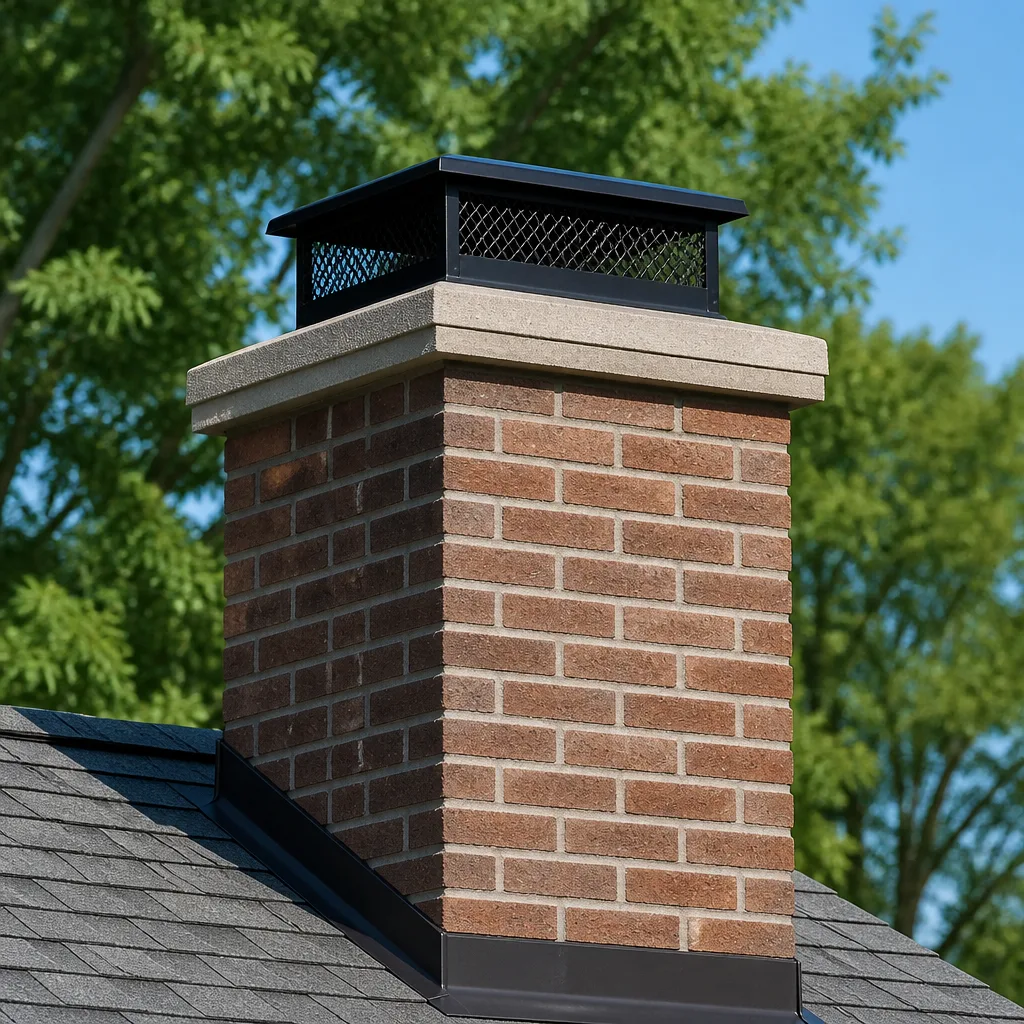 Caps & crowns
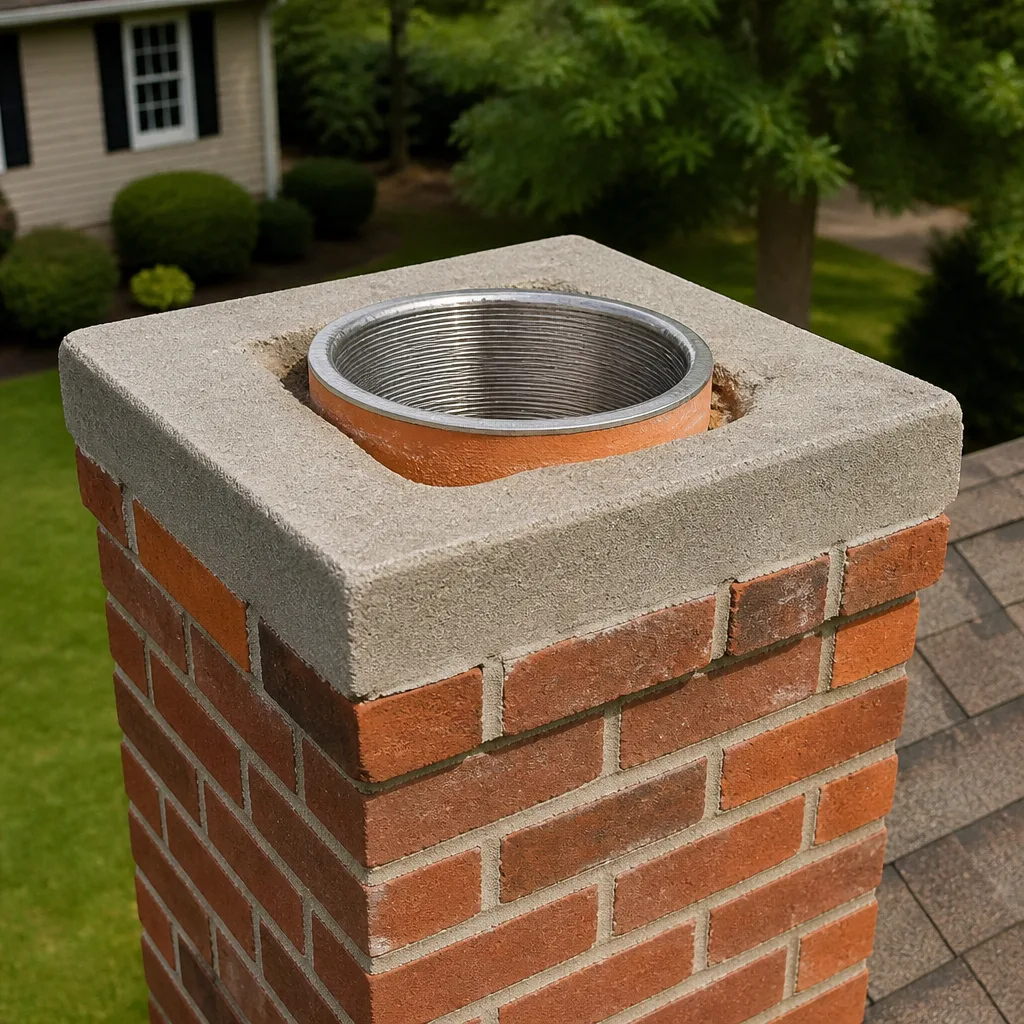 Flue relining
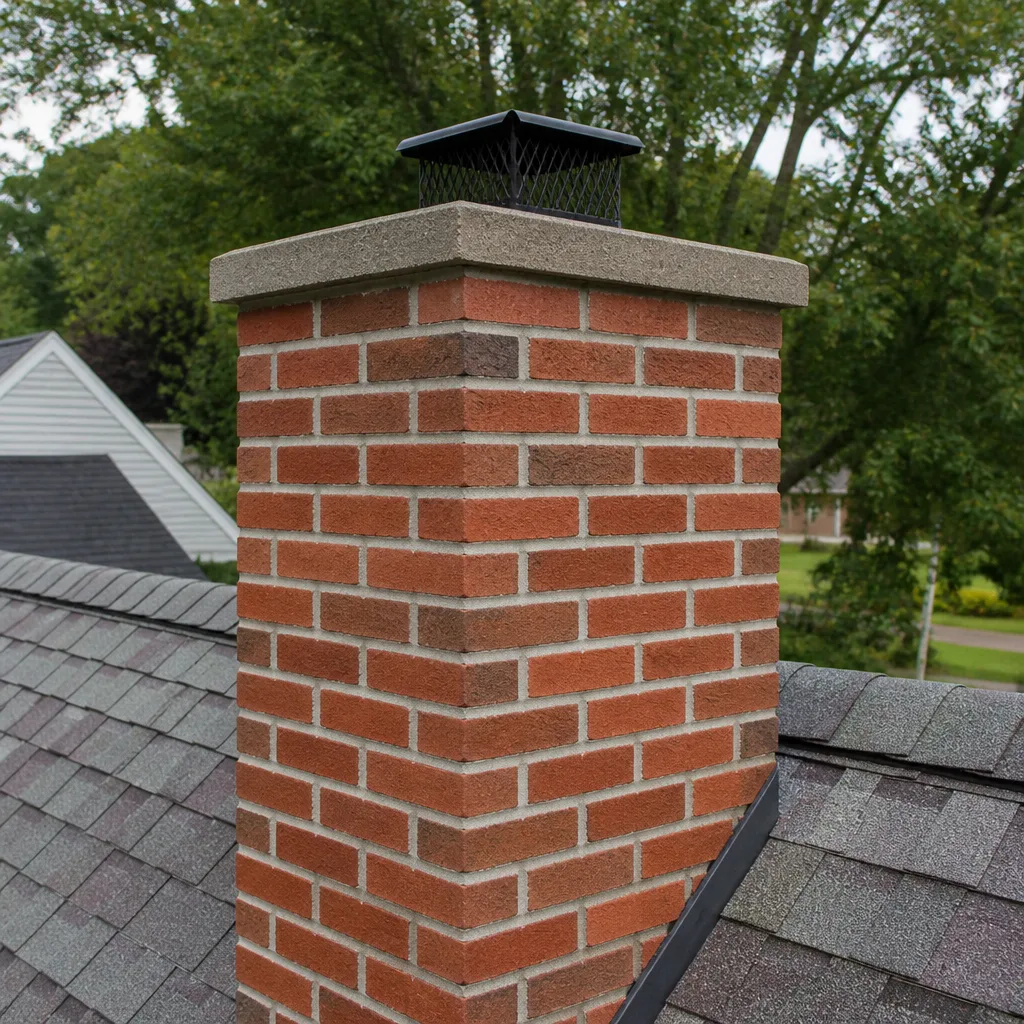 Masonry repair
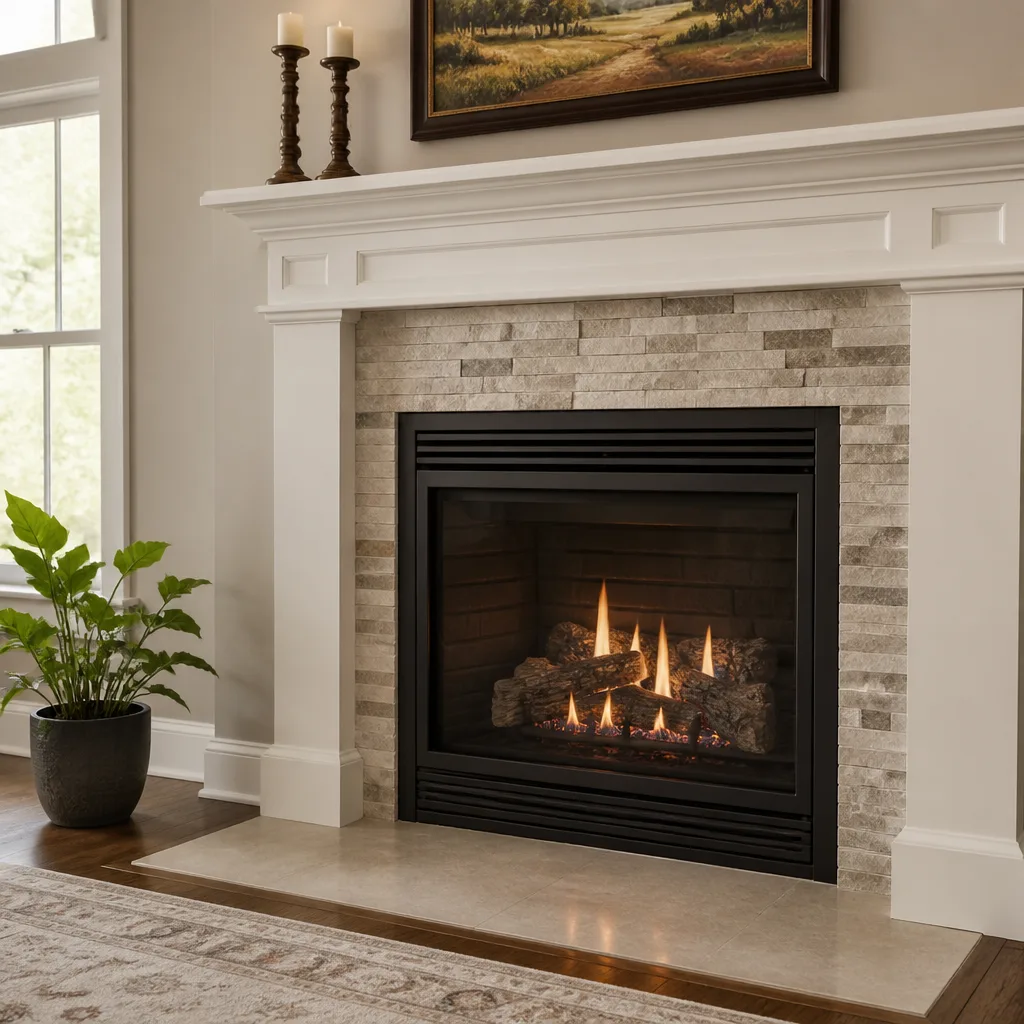 Gas fireplace service
Level 1 sweep and inspection to the NFPA 211 annual standard - flue, crown, cap, and flashing checked and photographed
Chimney sweep logs do not sweep chimneys. They loosen some creosote - which then falls where a brush and vacuum still have to collect it.
How to Hire a Chimney Cleaning Contractor in Tulsa: A Step-by-Step Guide
Oklahoma does not require a state license to sweep chimneys. That single fact reshapes everything about hiring in this trade. A plumber, electrician or roofer has to show a state credential before advertising, but anyone with a brush, a ladder and a truck can print “chimney sweep” on a business card in Tulsa and start taking calls. That doesn’t mean every sweep out there is a risk, but it does mean the burden of vetting falls entirely on you. Here’s how to do that vetting the way a building inspector would: check credentials at the source, read insurance paperwork line by line, and demand written documentation before and after the work.
Quick Answer
To hire a chimney cleaning contractor in Tulsa, verify CSIA certification through the Chimney Safety Institute of America directly, confirm general liability and workers’ compensation coverage in writing, ask for a written estimate with line-item pricing, and require a documented inspection report with photos. Get quotes from at least two contractors, compare them category by category, and walk away from any quote that pressures a same-day repair or prices the sweep suspiciously low.
Styles & brands we work with
- Sweep & inspection
- Caps & crowns
- Flue relining
- Masonry repair
- Gas fireplace service
Table of Contents
- Why Oklahoma’s Lack of Licensing Changes Your Vetting
- What CSIA Certification Actually Means
- How to Verify Certification in Real Time
- The Three Insurance Questions That Reveal Real Coverage
- Reading a Chimney Quote Line by Line
- Red Flags in Chimney Quotes and Sales Tactics
- What a Legitimate Post-Service Report Should Contain
- Tulsa’s Climate and Creosote: Why Frequency Matters Here
Why Oklahoma’s Lack of Licensing Changes Your Vetting
In most skilled trades, licensing acts as a floor. It’s not a guarantee of quality, but it does screen out the least prepared operators. Chimney work in Oklahoma has no such floor. That means a homeowner in Tulsa has to build their own floor, and the fastest way to do that is to ask for credentials in the order a building inspector would.
Here’s what that vetting sequence looks like:
- Certification first. Ask whether the contractor holds CSIA certification and get the certification number. Anyone legitimate will provide it without hesitation.
- Insurance second. Ask for a certificate of insurance, not a verbal assurance. The certificate will name the carrier, the coverage limits and the effective dates.
- Written estimate third. Ask for the estimate in writing before any work is scheduled. A verbal estimate gives you nothing to compare and nothing to hold anyone to.
- Report fourth. Ask what documentation you’ll receive after the service. A camera inspection report with photos is the standard a serious contractor works to.
None of these steps is exotic. They’re the same things you’d ask a structural engineer or a roofing contractor in Tulsa, and any chimney professional who works in the trade every day will answer them easily. The ones who dodge, stall or give vague answers have told you something important.
One more thing about the licensing gap: it also means consumer complaints don’t always leave a trail. If a sweep damages your flue and disappears, you may have little recourse beyond civil court. That’s why the insurance question below matters more in Oklahoma than it would in a state that regulates the trade.
What CSIA Certification Actually Means
CSIA certification is a credential issued by the Chimney Safety Institute of America, a nonprofit educational organization tied to the industry. Certified sweeps pass a written exam covering chimney construction, venting, combustion, inspection standards and safety, and they’re required to recertify on a cycle. They also agree to a code of ethics.
What the certification tells you:
- The sweep has demonstrated baseline knowledge of chimney and venting systems.
- The sweep has committed to a code of conduct and ongoing education.
- The sweep’s name can be looked up in a public directory, which gives you a way to confirm the claim.
What it doesn’t tell you:
- It doesn’t cover structural masonry repairs, liner installation technique or cap fitting. Those are separate skills learned on the job and through manufacturer training.
- It doesn’t guarantee insurance coverage. Coverage is a separate question.
- It doesn’t rank one certified sweep above another. Two certified contractors can differ significantly in repair capability.
- It doesn’t expire and disappear quietly, but it does require upkeep, so a lapsed certification is worth checking for.
For the technical side of the work itself, a certified sweep has the vocabulary to tell you honestly whether a flue needs relining, whether a crown is failing, or whether the problem is simply a cracked cap. When a repair is genuinely needed, we specify products like HeatShield for resurfacing and Olympia Chimney or DuraFlex for liners because those are the systems the trade actually uses, not the cheapest thing on a shelf. A sweep without that vocabulary often defaults to vague warnings and a big quoted number.
How to Verify Certification in Real Time
Verifying CSIA certification takes about three minutes and closes the biggest gap in Oklahoma’s unlicensed chimney market. The trick is to verify independently, not from a logo on a website or a sticker on a truck. Anyone can print a sticker.
Here’s the sequence:
- Ask for the certification number. A certified sweep will have it on hand or can get it quickly.
- Look it up yourself. The CSIA maintains a searchable directory of certified professionals. Enter the name and confirm the person and company match what you were told.
- Ask who will actually be on the job. Certification belongs to an individual, not to a company. If the person you spoke with is certified but a different technician shows up uncertified, you’ve been sold something you didn’t get. Ask directly who’s coming and whether that person is certified.
- Check the certificate’s expiration. If the certification is current, the directory will show it. If it isn’t listed, ask why.
This is also where a contractor’s response matters as much as the check. A sweep who says, “Here’s my number, look me up” is telling you they expect to be verified. A sweep who deflects with “we’re all certified” without a name or a number is telling you something else.
For Tulsa homeowners with a wood insert or a freestanding stove, ask whether the certified sweep has specific experience with insert installations. Insert installations often have tighter clearances and different venting than a masonry fireplace, and a sweep with only fireplace experience may not inspect one properly.
The Three Insurance Questions That Reveal Real Coverage
Insurance is where vague assurances do the most damage. A contractor without real coverage can leave you holding the bill for a damaged flue, a cracked crown, water intrusion from a badly fitted cap, or worse. Ask these three questions, in this order, and ask for the certificate of insurance in writing.
- “Are you covered by general liability insurance, and what are the limits?” General liability covers damage to your property during the work. Ask for the certificate that names the carrier, the policy number, the coverage limit and the effective dates. A promise that “we’re fully insured” is not an answer to this question. The certificate is.
- “Do you carry workers’ compensation, and what’s the carrier’s name?” If a technician is injured on your roof or in your flue, workers’ compensation is what stands between you and a claim. A contractor with employees should carry it. Ask for the certificate. If they say they’re a sole proprietor with no employees, that’s fair, but then ask how the work on your property is covered if they’re injured.
- “Is fire-related damage or liability from the work covered, or excluded?” This is the question most homeowners never ask. Standard policies vary. A fire originating in a chimney after a sweep has to be evaluated on its own merits, but the point is to know that the contractor’s coverage is in place before work begins, and that the policy would respond if the work itself caused damage.
Write the answers down. If you later need them, you’ll want them without scrambling. A contractor who volunteers the certificate is one who’s been asked before, which is usually a good sign.
Reading a Chimney Quote Line by Line
The biggest mistake in comparing chimney quotes is comparing totals. A $150 quote and a $350 quote might cover entirely different work, and one of them might not cover much at all. Compare line items in the same categories. Here’s the way to lay it out:
- Sweep (basic cleaning). Should state whether it covers a fireplace, an insert or a stove, and whether the flue is fully brushed or only the firebox is touched.
- Inspection level. Level 1 for routine annual maintenance, Level 2 for a new install, a change of fuel type, a chimney fire or a real estate transaction, Level 3 for concealed areas. Ask which level is included.
- Camera inspection and report. Is video inspection included, and do you receive a written report with photos?
- Repairs identified. Any repair line should name the component and the material: crown, cap, flashing, liner, mortar joint. Vague items like “chimney work” or “flue restoration” don’t belong in a quote.
- Materials specified. Ask for the brand or product being installed. For caps and flashing, we work with Gelco and Famco components; for liners, Olympia Chimney and DuraFlex. A quote that names the product is easier to verify.
- Permits or code-related work. Most cities require a permit for certain chimney repairs, so ask your city’s building department whether your project needs one and whether the contractor pulls it.
If you’re in midtown Tulsa or a neighborhood with a lot of older masonry chimneys, ask the contractor to walk the exterior with you and point out what they see. A quote assembled from the roof and the flue, rather than from the ground, is usually a more accurate one.
Red Flags in Chimney Quotes and Sales Tactics
Chimney work has a particular vulnerability: the homeowner can’t see inside the flue. That’s exactly what a bad actor exploits. Here’s what to watch for.
- A sweeping price that’s noticeably lower than everyone else’s. A below-market sweep is often a lead-in for a push toward repairs that may not be needed. Get the second opinion before agreeing to anything recommended.
- Pressure to approve a major repair the same day. If the chimney needs immediate attention, a contractor will say so clearly and put it in writing. If they’re pushing for a signature before you’ve had a chance to look at photos, slow down.
- Vague line items in the written estimate. “Masonry work,” “flue restoration,” “chimney package,” “general repairs” are all red flags. Each item should name the component and the fix.
- No photos or video of what they’re describing. The whole point of camera inspection is that you get to see the evidence. Ask to see the flue before and after. If they can’t produce images, that’s a serious gap.
- No written report promised. Verbal-only summaries are a problem because they vanish. A legitimate contractor provides a written report, and a copy stays with you.
- Guarantees with no specifics. “Lifetime guarantee” with no product name, no manufacturer and no terms is not a guarantee. Ask exactly what’s covered and for how long.
- No insurance certificate when asked. If the response to “can I see your certificate of insurance” is “we don’t need one, we’ve been doing this a long time,” that’s your signal to move on.
Two contractors saying the same thing matter. If two independent sweeps look at your flue and agree, you can be confident in the diagnosis. If one says “your liner is failing, you need a full reline” and the other shows you a camera image of an intact liner, that’s the difference between a $200 sweep and a $4,000 project.
What a Legitimate Post-Service Report Should Contain
A chimney service is not complete until you have documentation in hand. Sweeping produces a clean flue and an inspection produces findings; the report is what turns findings into something you can act on and file. Here’s what a legitimate one contains:
- Date and technician name or team name. Basic, but many fly-by-night operators skip it.
- The inspection level performed. Level 1, 2 or 3, per the standard used by the trade.
- Condition findings by component. Firebox, flue, damper, crown, cap, flashing, mortar joints, adjacent masonry. Each gets a note.
- Photo or video images. Before and after sweep, plus any area of concern. This is what lets you look at the same evidence the contractor did.
- Recommendations, with urgency ranked honestly. Items that can wait should be labeled as such. Not everything found on a camera inspection is urgent.
- Written estimate for any recommended work. Itemized, with the product or material named.
- Signed or emailed copy kept by you. A report you can access later is what makes insurance claims, future inspections and resale easier.
If you’re selling a home in Tulsa, the report from a Level 2 inspection is usually the document a buyer’s inspector will look for. Keep it.
Tulsa’s Climate and Creosote: Why Frequency Matters Here
Tulsa’s burning season is long enough and its winters cold enough that a wood-burning fireplace gets real use from November through February. That matters for scheduling. The summer month before you start building fires is the natural time to book, and getting the sweep done before the fall rush means the flue is clean and inspected before the first cold snap.
Creosote, the tar-like residue that builds up as smoke cools, is the substance that makes a chimney fire possible. It comes in three forms: a light soot that brushes off easily, a crunchy flaky form that needs a brush or a rotary tool, and a glazed tar-like form that can be hard to remove with standard tools and can require chemical treatment or a professionally installed liner. The form it takes depends on how hot the fire burns, how dry the wood is, and how much the flue cools the smoke before it exits.
The practical answer for a Tulsa homeowner is the same advice the trade gives anywhere: sweep annually, and if you burn a lot of wood, get a mid-season look. Annual sweeping catches most of it before it has a chance to build into something that won’t brush off.
There’s a second reason to schedule in Tulsa specifically. The city sees enough ice and freeze-thaw cycles in winter that masonry crowns and mortar joints can crack. A crown that’s failed isn’t just a cosmetic problem; it’s the way water gets in. Getting the crown and flashing checked at the same time as the sweep catches a small repair before it turns into a liner problem.
Common Mistakes to Avoid
- Hiring without verifying certification. A sticker is not a credential. Look the certification number up directly and confirm the person on your property is the certified one.
- Accepting a verbal-only report. If the contractor walks the roof, comes down and says “looks fine,” you have no record. Ask for the written report with photos before they pack up.
- Comparing quotes by total only. Two quotes at the same total may cover completely different work. Compare line items in the same categories.
- Skipping the insurance certificate. A contractor without real coverage is a contractor whose mistakes become your problem. Ask for the certificate in writing.
- Letting a same-day upsell dictate the job. A recommended repair should come with a photo, an itemized price and a product name. If any of those are missing, wait and get a second opinion.
- Sweeping only when there’s a problem. Annual sweeping is what keeps a problem from showing up. Waiting for the smell of smoke or a drafting issue means a repair, not a cleaning.
- Ignoring the exterior. A sweep who only inspects the flue and never looks at the crown or flashing is missing half the chimney. Ask whether the exterior was inspected.
One quick way to sidestep several of these at once is to have the sweep, repair and inspection handled by one specialist rather than coordinating a general handyman for cleaning and a mason for repairs. When one provider handles the full cycle, the report, the estimate and the repair share a single paper trail. Learn more about how a chimney sweep visit fits into the cycle.
See the difference
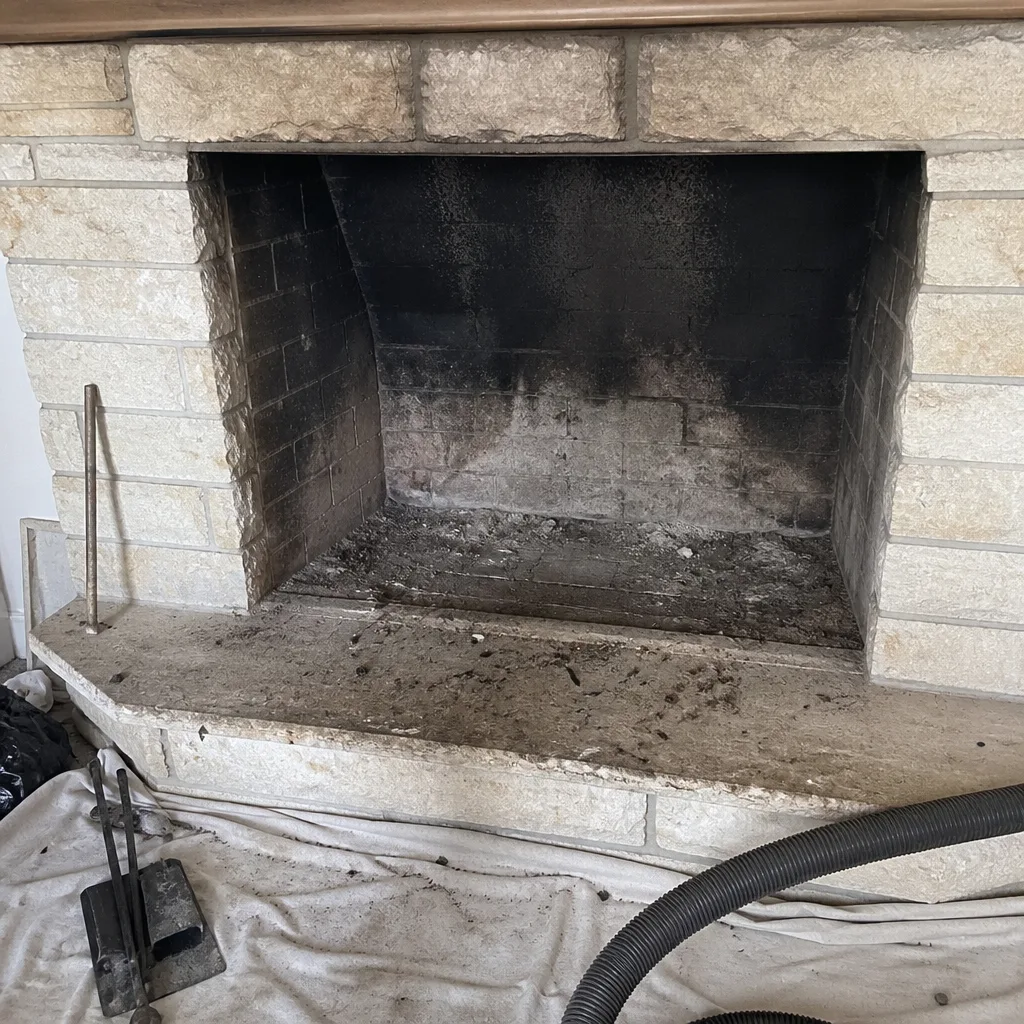 Before
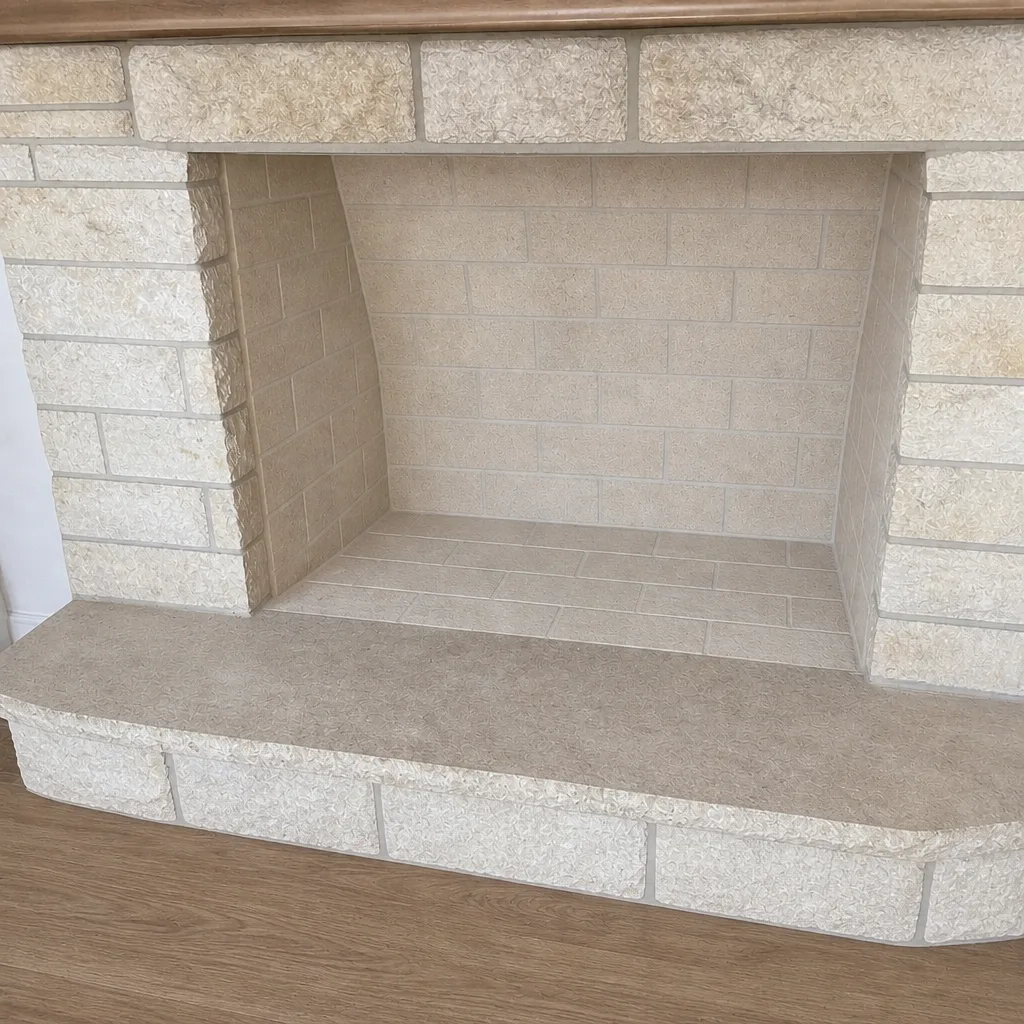 After
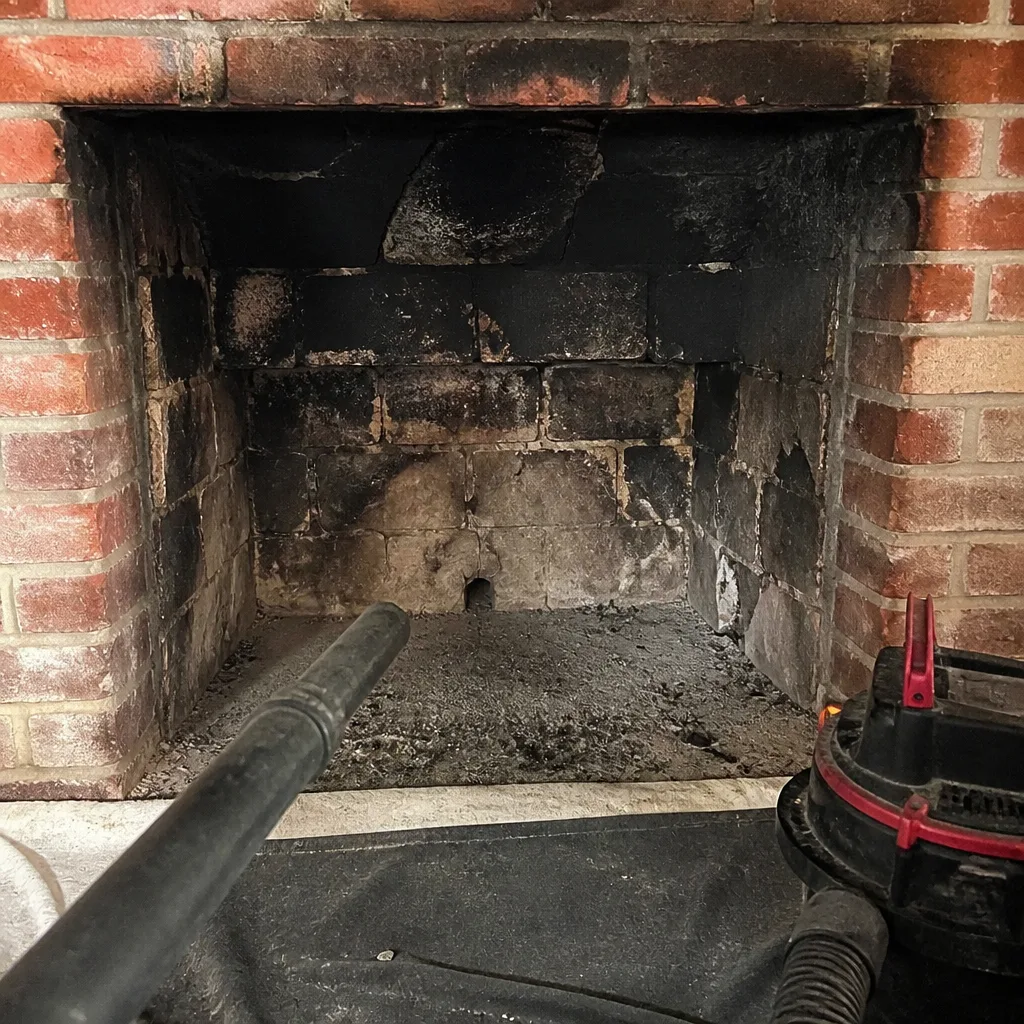 Before
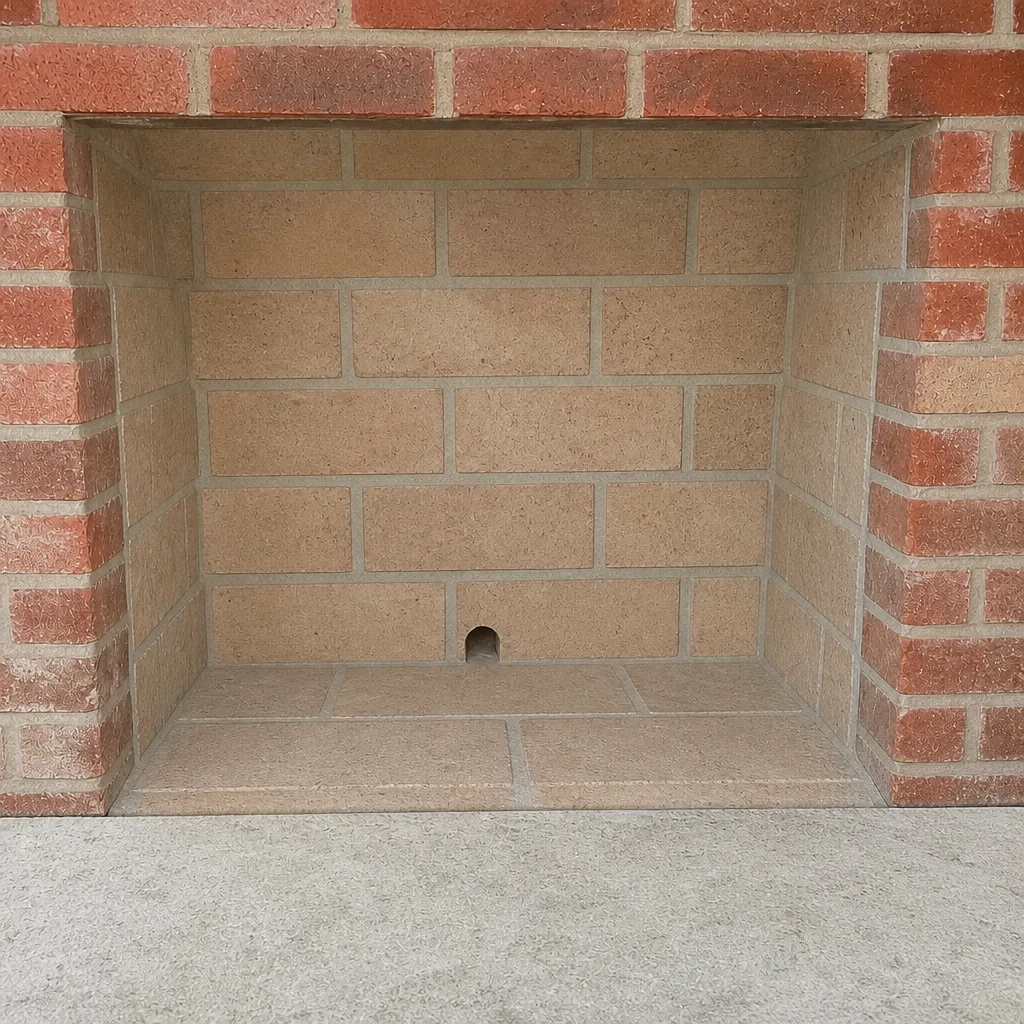 After
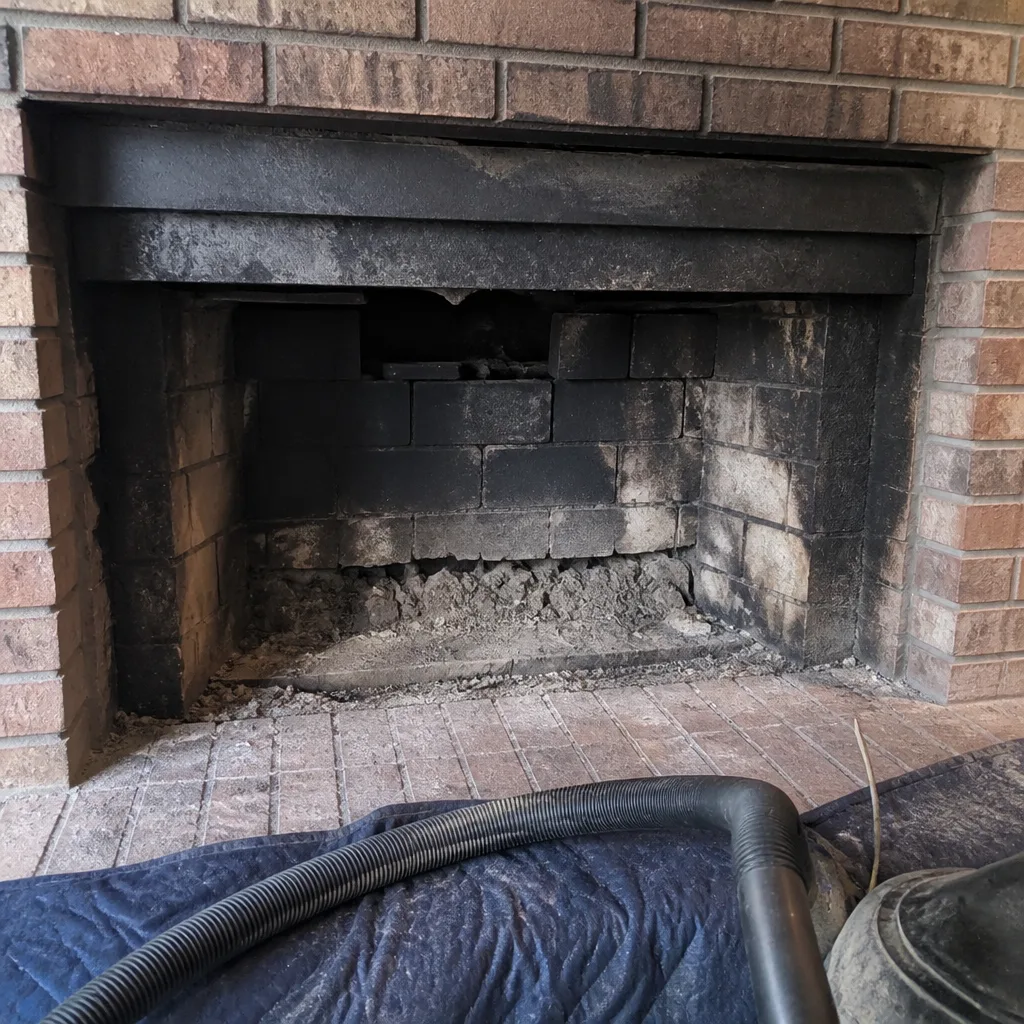 Before
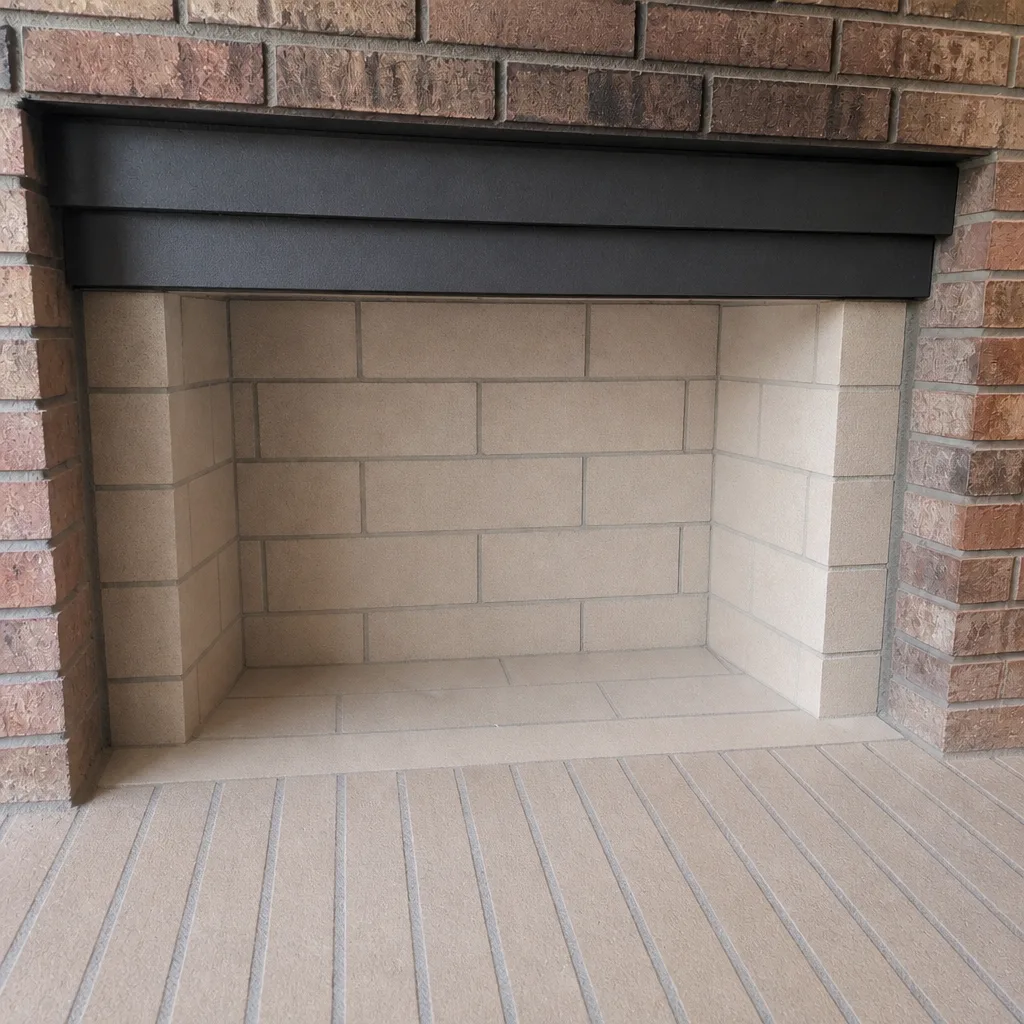 After
When to Call a Professional
Call a professional when you smell smoke in the house during a burn, when the fire refuses to draw and smoke rolls into the room, when you see dark oily deposits on the firebox walls or hear crackling that isn’t the wood, or when you’re starting the season and haven’t had the chimney swept in more than a year. Also call when the chimney has been through a chimney fire, when you’ve just bought a home with a fireplace and don’t know its history, or when you’re changing fuel type or installing an insert.
If the chimney crown is visibly cracked, if mortar joints are crumbling, if the cap is missing or damaged, or if an animal has gotten into the flue, those are repair calls, not cleaning calls. A damaged crown or missing cap lets water in and animals enter, and both compound quickly. A chimney repair visit is the right next step there.
Tulsa Chimney Cleaning offers free estimates in Tulsa. Our technicians have up to 10 years of experience and work the full cycle, from Tulsa Chimney Cleaning sweeping through inspection and repair. Call (833) 712-5506 for a free estimate and to book a sweep. We answer 24/7. Fast dispatch from 7am to 7pm, Sunday through Friday.
Frequently Asked Questions
Most chimney sweeps in Tulsa fall in the $150 to $350 range for a standard fireplace cleaning, and a camera inspection or Level 2 visit typically runs higher. The exact price depends on the flue’s length and access, whether an insert or stove is involved, and whether a camera inspection is included. Call (833) 712-5506 for an exact quote; estimates are free.
Only if the existing liner is cracked, deteriorated or undersized for what you’re burning. A flue liner is what protects the masonry from heat and gases; a failing liner is a real problem, but a full reline isn’t the answer to a small amount of creosote or a light soot issue. Ask to see the camera image and the product being quoted. We specify HeatShield for resurfacing when a liner can be restored, and Olympia Chimney or DuraFlex for full liner installations when it can’t. Call (833) 712-5506 for a free estimate with the image in front of you.
Once a year for a fireplace in regular use, per the trade standard. If you burn a lot of wood, or burn green or unseasoned wood, a mid-season check is worth it. If the fireplace goes unused all year, get it inspected anyway; a chimney that hasn’t been looked at can have a failing crown, a damaged cap or a nest in the flue. Call (833) 712-5506 to book a sweep.
Creosote builds inside the flue, and in its glazed form it’s the fuel for a chimney fire. Carbon monoxide can back-draft into the house if the flue is blocked by soot, a nest or a collapsed liner. The risk compounds the longer it’s skipped. Call (833) 712-5506 for a free estimate before the burning season starts.
A specialized chimney contractor can usually handle both sweeping and repair. Crowns, caps, flashing and liners are within the scope of a chimney specialist. General masons sometimes take chimney work, but they aren’t trained on liners or flue venting and may not carry the right materials. We install Gelco and Famco caps and flashing and work with Olympia Chimney and DuraFlex liners, so the repair and the sweep share the same paper trail. Call (833) 712-5506 for a free estimate.
Some chimney repairs require a permit and some don’t; the specifics depend on the scope and on your city’s building department, so ask before booking. Routine sweeping doesn’t require a permit. For a liner replacement or a structural repair, ask the contractor whether they pull the permit and confirm with the city building department. For questions about service in Tulsa, call (833) 712-5506 for a free estimate.
The Bottom Line
Hiring a chimney contractor in Tulsa is a vetting job, not a shopping job. There’s no state licensing requirement to fall back on, so the floor has to come from you: verify CSIA certification directly, ask for the insurance certificate in writing, compare written estimates line by line, and require a camera report with photos. Walk away from vague line items, same-day pressure and below-market sweep prices. The right contractor will answer every one of these questions easily, because they’ve been asked before. Sweep. Repair. Inspect. All from one specialist, working with professional-grade materials.
Call (833) 712-5506 for a free estimate. We answer 24/7. Fast dispatch from 7am to 7pm, Sunday through Friday.
Written by the team at Tulsa Chimney Cleaning.